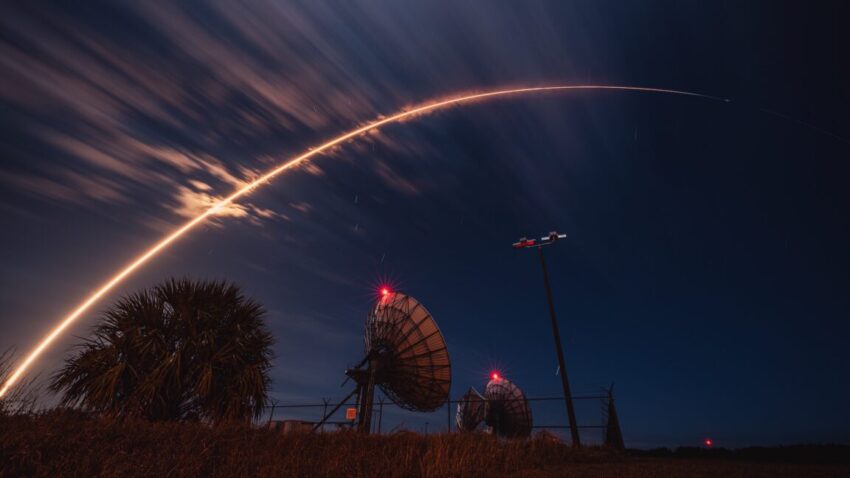
us space force confirms spacex will build SpaceX has secured a significant contract with the US Space Force to develop a sensor-to-shooter targeting network, marking a pivotal advancement in military communications and space-based operations.
us space force confirms spacex will build
Contract Overview
On Tuesday, Space Systems Command, the primary procurement and acquisition center for the US Space Force, announced a firm-fixed-price agreement worth $2.29 billion with SpaceX. This contract is designed to establish a new communications network in low-Earth orbit (LEO), which will serve as the backbone for distributing space-based sensing and targeting data. This initiative comes in response to previous Pentagon efforts that faced challenges and delays, underscoring the urgency and importance of enhancing military capabilities in space.
Importance of the SDN Backbone
The Space Data Network (SDN) Backbone is intended to provide a resilient and high-speed communications network that will significantly improve the US military’s operational effectiveness. According to Space Systems Command, the network will facilitate the rapid transmission of critical data, enabling faster decision-making in combat scenarios. This capability is particularly vital in modern warfare, where the speed of information can determine the outcome of engagements.
SpaceX’s selection for this contract aligns with the Pentagon’s broader strategy to leverage commercial partnerships for military advancements. The SDN Backbone is expected to integrate seamlessly with existing military systems, enhancing situational awareness and operational coordination among various branches of the armed forces.
Technological Foundations
The SDN Backbone will utilize technology that has been developed for SpaceX’s Starlink global Internet constellation. Starlink has gained attention for its ability to provide high-speed internet access to remote and underserved areas around the globe. However, its applications extend beyond civilian use; the technology is being adapted for military purposes through a specialized satellite platform known as Starshield.
Starshield: A Military Adaptation
Starshield satellites are designed specifically for military applications, offering enhanced security features and capabilities tailored to the needs of the US military. These satellites will likely form the core of the SDN Backbone, enabling secure and reliable communication channels for military operations. The adaptation of Starlink technology for military use highlights the increasing convergence of commercial and defense sectors in space.
Challenges and Opportunities
The announcement of the SDN Backbone contract comes at a time when the Pentagon is actively seeking to modernize its military capabilities in response to evolving threats. The challenges faced in previous initiatives have underscored the need for innovative solutions that can be implemented quickly and effectively. By partnering with SpaceX, the Space Force aims to overcome these obstacles and accelerate the development of a robust space-based communications network.
Previous Pentagon Initiatives
In recent years, several Pentagon initiatives aimed at enhancing military communications and space capabilities have encountered setbacks. These challenges have included budget constraints, technical difficulties, and the complexities of integrating new technologies into existing systems. The SDN Backbone contract represents a strategic pivot, allowing the Space Force to leverage SpaceX’s expertise and existing infrastructure to expedite the delivery of critical capabilities.
Stakeholder Reactions
The announcement has garnered positive reactions from various stakeholders within the defense community. Military officials have expressed optimism about the potential of the SDN Backbone to enhance operational efficiency and effectiveness. The integration of commercial technology into military operations is seen as a forward-thinking approach that can yield significant benefits.
SpaceX’s Role in National Defense
SpaceX has established itself as a key player in the national defense landscape, with its capabilities extending beyond satellite launches to include the development of advanced communications networks. The company’s track record of innovation and reliability has made it a preferred partner for the US military. This contract further solidifies SpaceX’s role in shaping the future of military operations in space.
Implications for Future Military Operations
The establishment of the SDN Backbone has far-reaching implications for the future of military operations. As the US military increasingly relies on space-based assets for intelligence, surveillance, and reconnaissance, the need for a robust and secure communications network becomes paramount. The SDN Backbone is expected to enhance the military’s ability to respond to threats in real time, improving situational awareness and decision-making capabilities.
Global Context
The development of the SDN Backbone also occurs within a broader global context, where nations are rapidly advancing their military capabilities in space. The US faces competition from countries like China and Russia, which are investing heavily in their own space programs. By establishing a cutting-edge communications network, the US aims to maintain its technological edge and ensure its military readiness in an increasingly contested domain.
Conclusion
The $2.29 billion contract awarded to SpaceX for the development of the SDN Backbone represents a significant step forward in enhancing the US military’s capabilities in space. By leveraging commercial technology and expertise, the Space Force aims to create a resilient and high-speed communications network that will support a wide range of military operations. As the landscape of warfare continues to evolve, the establishment of such networks will be crucial for maintaining national security and operational effectiveness.
Source: Original report
Was this helpful?
Explore more: DevOps Services More Cloud & DevOps Tech News
Last Modified: May 28, 2026 at 12:35 am
11 views