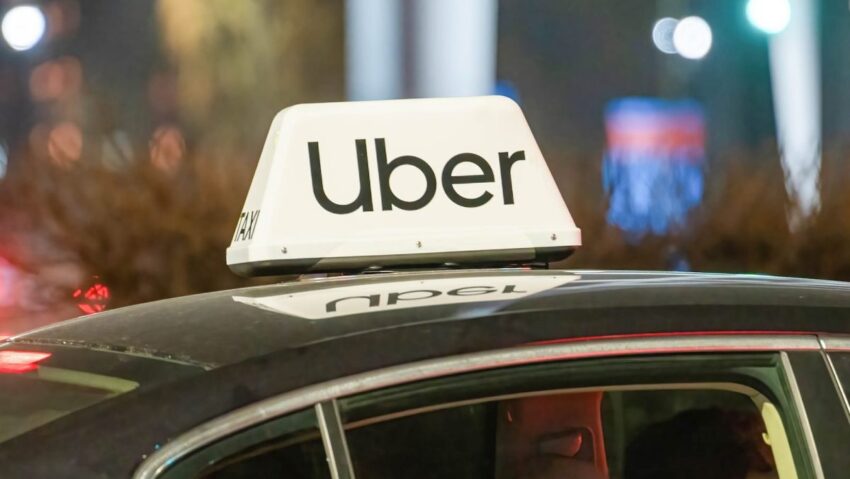
uber will now pick up your returns Uber has announced a new feature that allows users to schedule pickups for their online returns directly from their doorsteps.
uber will now pick up your returns
Introduction to the New Feature
In a strategic move aimed at expanding its service offerings, Uber has introduced a new feature that enables customers to arrange for the pickup of their online returns from the comfort of their homes. This initiative marks a significant step in Uber’s ongoing transformation into an “everything app,” a concept that envisions the platform as a one-stop solution for a variety of user needs beyond just ride-hailing.
Details of the Returns Feature
The new returns feature is designed to streamline the often cumbersome process of returning items purchased online. Users can now schedule a pickup through the Uber app, allowing them to avoid the hassle of traveling to a drop-off location. This service is particularly beneficial for those who may have busy schedules or limited access to transportation.
How It Works
To utilize this new feature, users simply need to open the Uber app and select the “Returns” option. They can then enter the details of the item they wish to return, including the pickup address and any necessary information regarding the return process dictated by the retailer. Once the request is submitted, an Uber driver will be dispatched to collect the item from the user’s location.
Supported Retailers
Initially, the service will support a select number of major retailers, with plans to expand the list over time. This collaboration with retailers is crucial, as it ensures that the returns process adheres to the specific requirements set by each retailer, such as packaging and labeling. As more retailers come on board, the feature is expected to become increasingly versatile and user-friendly.
Context and Implications
This new feature is part of Uber’s broader strategy to diversify its offerings and enhance user engagement. By venturing into the returns space, Uber is not only catering to the growing e-commerce market but also positioning itself as a key player in the logistics and delivery sector.
The Rise of E-commerce
The e-commerce industry has seen exponential growth in recent years, accelerated by the COVID-19 pandemic. As more consumers turn to online shopping, the need for efficient return solutions has become increasingly apparent. According to a report from the National Retail Federation, returns accounted for nearly $400 billion in lost sales in 2020 alone, highlighting the importance of a seamless returns process for both consumers and retailers.
Uber’s Competitive Edge
By offering a returns pickup service, Uber aims to differentiate itself from competitors in the delivery and logistics space. Companies like DoorDash and Postmates have also ventured into similar territories, but Uber’s established user base and brand recognition provide it with a competitive advantage. Furthermore, the integration of this feature into the existing Uber app allows for a more cohesive user experience, encouraging customers to utilize multiple services offered by the platform.
Stakeholder Reactions
The announcement of the returns feature has elicited a range of reactions from stakeholders across the industry. Retailers, in particular, are keen to explore the potential benefits of partnering with Uber for returns logistics. Many retailers have struggled with the complexities of managing returns, and a partnership with Uber could streamline their operations and enhance customer satisfaction.
Retailers’ Perspective
Retailers are increasingly recognizing the importance of providing a hassle-free returns experience to retain customers. According to a survey conducted by the e-commerce platform Narvar, 95% of consumers consider the returns process when making a purchase decision. By collaborating with Uber, retailers can leverage the company’s extensive network to offer a more convenient returns solution, potentially increasing customer loyalty and repeat purchases.
Consumer Sentiment
Consumer reactions to the new feature have been largely positive. Many users have expressed excitement about the convenience it offers, particularly for those who may find it challenging to return items in person. Social media platforms have seen a flurry of discussions around the feature, with users sharing their expectations and experiences. However, some consumers have raised concerns about the potential costs associated with the service, as well as the reliability of the pickup process.
Challenges Ahead
While the new returns feature presents numerous opportunities for Uber, it is not without its challenges. The logistics of coordinating pickups, ensuring timely deliveries, and managing customer expectations will require careful planning and execution.
Logistical Considerations
One of the primary challenges Uber will face is the logistics of managing pickups across various locations. The company will need to ensure that drivers are available and equipped to handle returns efficiently. This may involve additional training for drivers to familiarize them with the specific requirements of different retailers. Moreover, the company will need to develop a robust system for tracking returns to ensure that items are processed correctly and returned to the appropriate retailers.
Cost Implications
Another challenge lies in the potential costs associated with the service. While Uber has not disclosed specific pricing details for the returns feature, it is likely that users will incur some fees for the convenience of doorstep pickups. Balancing affordability with operational costs will be crucial for the success of this feature. Uber will need to conduct market research to determine an acceptable pricing structure that meets consumer expectations while remaining profitable.
Future Prospects
Looking ahead, the returns feature could pave the way for additional services within the Uber app. As the company continues to explore new avenues for growth, there is potential for further integration of logistics and delivery solutions. For instance, Uber could expand its offerings to include same-day delivery for returns, enhancing the overall customer experience.
Potential for Expansion
As the returns feature gains traction, Uber may also consider expanding its partnerships with more retailers and exploring collaborations with other e-commerce platforms. This could lead to a more comprehensive returns ecosystem, where users can manage all aspects of their online shopping experience within the Uber app.
Long-term Vision
Uber’s long-term vision of becoming an everything app hinges on its ability to adapt to changing consumer needs and market trends. The introduction of the returns feature is a clear indication of the company’s commitment to innovation and customer-centric solutions. By continuously evolving its offerings, Uber aims to solidify its position as a leader in the logistics and delivery space, while also enhancing user engagement across its platform.
Conclusion
Uber’s new returns feature represents a significant step in the company’s journey toward becoming an all-encompassing service platform. By addressing the growing demand for convenient returns solutions, Uber is not only enhancing its service offerings but also positioning itself as a key player in the evolving landscape of e-commerce logistics. As the feature rolls out and gains popularity, it will be interesting to observe how it impacts both consumer behavior and the broader retail industry.
Source: Original report
Was this helpful?
Explore more: More Business & Startups Tech News Blog
Last Modified: April 17, 2026 at 9:42 pm
13 views