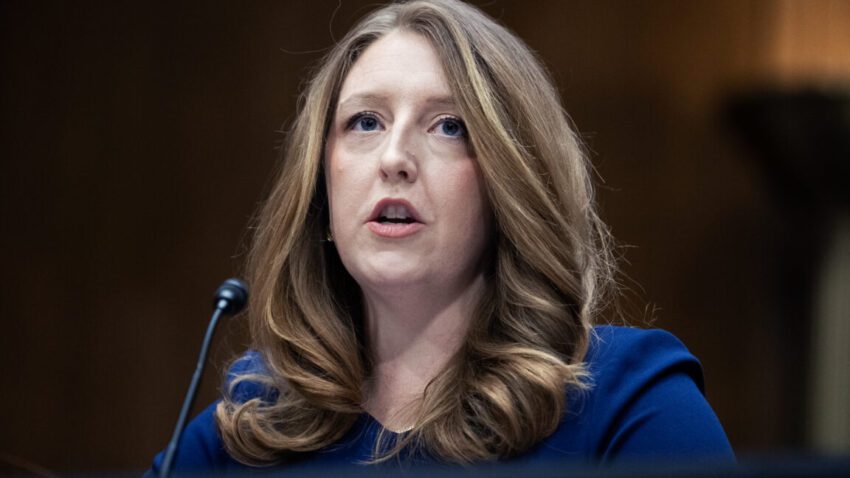
trump s maha pick for surgeon general President Trump’s nomination of Casey Means for the position of surgeon general faces significant challenges as several Republican senators voice concerns regarding her qualifications and views on public health.
trump s maha pick for surgeon general
Background on the Nomination
Casey Means was nominated for the role of surgeon general over ten months ago, a position that carries significant responsibility in guiding public health policy and addressing health crises. The surgeon general serves as the leading spokesperson on matters of public health in the federal government, making the role crucial, especially in times of health emergencies. Means is known for her involvement in the Make America Health Again (MAHA) movement, which emphasizes a wellness-centric approach to health. However, her affiliation with this movement has raised eyebrows, particularly among members of her own party.
Concerns Raised by Republican Senators
At least four Republican senators have publicly expressed doubts about Means’ suitability for the role. Senators Bill Cassidy (R-Louisiana), Susan Collins (R-Maine), Lisa Murkowski (R-Alaska), and Thom Tillis (R-North Carolina) have all raised questions regarding her medical qualifications and her stance on vaccines. These concerns are particularly pertinent given the ongoing debates surrounding vaccine efficacy and public health policy in the United States.
Qualifications Under Scrutiny
One of the primary concerns among the senators is Means’ medical qualifications. While she has a background in medicine, her role as a wellness influencer has led some to question whether she possesses the necessary experience and expertise to effectively serve as the nation’s top public health official. The surgeon general’s responsibilities include not only promoting health initiatives but also addressing public health crises, which require a deep understanding of medical science and public health policy.
Vaccine Views and Public Health Implications
Another significant issue is Means’ views on vaccines. During her confirmation hearing, senators pressed her on her stance regarding various vaccines, including those for influenza, measles, and hepatitis B for newborns. Vaccination is a critical public health measure that has been proven to save lives and prevent the spread of infectious diseases. However, Means largely sidestepped direct questions about her recommendations on these vaccines, which has raised alarms among lawmakers who are concerned about the potential implications of her appointment.
Her reluctance to explicitly endorse vaccines has drawn parallels to the views of her ally, Health Secretary Robert F. Kennedy Jr., a prominent anti-vaccine advocate. Kennedy’s influence within the MAHA movement has been a point of contention, as many public health experts argue that his views contribute to vaccine hesitancy and misinformation. The surgeon general is expected to be a strong advocate for vaccination, especially in light of recent outbreaks of preventable diseases.
Political Dynamics and Potential Outcomes
The political landscape surrounding Means’ nomination is complex. With at least four Republican senators expressing doubts, her confirmation could be jeopardized. Just one of these senators could potentially block her nomination from advancing beyond the Senate Health committee, which would significantly hinder her chances of becoming the next surgeon general.
Implications for Public Health Policy
If Means’ nomination is ultimately blocked, it could have broader implications for public health policy in the United States. The surgeon general plays a vital role in shaping health initiatives and guiding responses to health crises. A nominee who is perceived as lacking in qualifications or who holds controversial views could undermine public confidence in health recommendations and initiatives.
Moreover, the ongoing COVID-19 pandemic has underscored the importance of having a surgeon general who can effectively communicate the importance of vaccination and public health measures. The potential appointment of someone who is hesitant to endorse vaccines could exacerbate existing challenges in achieving widespread vaccination coverage, particularly among populations that are already skeptical of vaccines.
Stakeholder Reactions
The reactions to Means’ nomination have been mixed, with some stakeholders expressing support while others voice strong opposition. Public health advocates are particularly concerned about the implications of her views on vaccination and her association with the anti-vaccine movement. Many argue that the surgeon general should be a staunch advocate for vaccines, given their proven effectiveness in preventing disease.
On the other hand, supporters of Means argue that her wellness-focused approach could bring a fresh perspective to public health. They contend that her emphasis on holistic health and wellness aligns with a growing trend toward preventive care and lifestyle medicine. However, critics argue that this approach may not adequately address the urgent public health challenges facing the nation.
Conclusion
As the confirmation process for Casey Means unfolds, the concerns raised by Republican senators highlight the complexities of appointing a surgeon general in today’s political climate. The role requires not only medical expertise but also the ability to navigate the contentious landscape of public health policy. With doubts lingering about Means’ qualifications and views on vaccines, her nomination remains in jeopardy, raising questions about the future direction of public health leadership in the United States.
Ultimately, the outcome of this nomination could set a precedent for how public health officials are chosen in the future and what qualifications are deemed necessary for such critical roles. As the nation continues to grapple with health crises, the importance of having a qualified and credible surgeon general cannot be overstated.
Source: Original report
Was this helpful?
Last Modified: March 24, 2026 at 3:37 pm
4 views