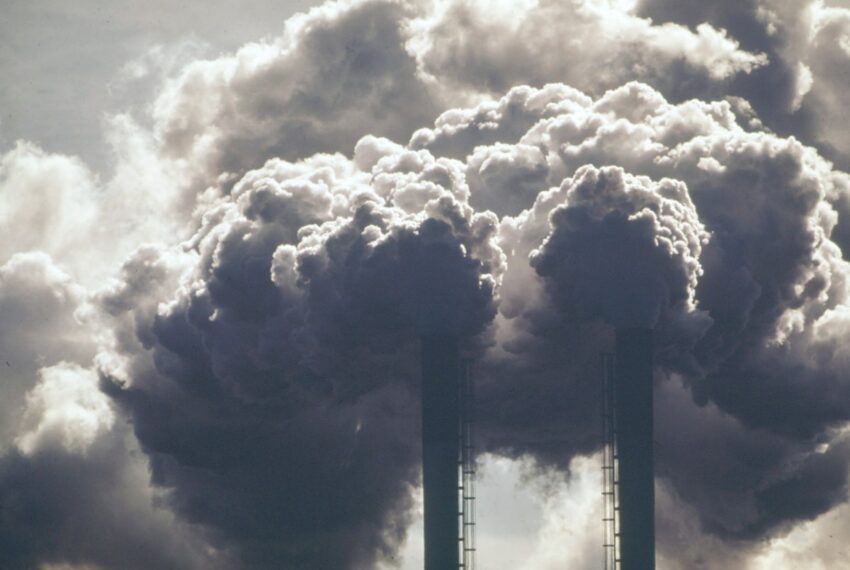
trump s epa plans to ignore health The Trump administration is set to implement a significant change in how the Environmental Protection Agency (EPA) evaluates the costs and benefits of air pollution controls, specifically by ceasing to assign monetary value to human life.
trump s epa plans to ignore health
Overview of the Proposed Changes
The proposed policy shift by the Trump administration represents a fundamental alteration in the approach to environmental regulation. Traditionally, the EPA has used a methodology that assigns a monetary value to human life when assessing the impacts of air pollution. This practice has been integral in determining the cost-effectiveness of various environmental regulations aimed at reducing harmful emissions. However, the new directive will eliminate this practice, which could have far-reaching implications for public health and environmental policy.
Background on Cost-Benefit Analysis
Cost-benefit analysis is a critical tool used by regulatory agencies to evaluate the economic implications of proposed regulations. In the context of air pollution, this analysis typically involves estimating the health benefits associated with cleaner air, such as reduced hospital visits, fewer premature deaths, and improved quality of life. By assigning a monetary value to these benefits, the EPA can compare them against the costs of implementing pollution controls.
Historically, the value assigned to human life has been based on various factors, including statistical analyses of mortality rates and the economic impact of health-related issues. This approach has allowed policymakers to make informed decisions that balance economic growth with public health considerations. However, the Trump administration’s decision to disregard this valuation raises questions about the future of environmental regulations and their effectiveness in protecting public health.
Implications for Public Health
The decision to stop assigning value to human life in air pollution assessments could lead to increased pollution levels and a corresponding rise in health risks for the population. Experts warn that this shift may undermine decades of progress in air quality management and public health protection.
Potential Health Risks
Air pollution is a well-documented contributor to a range of health issues, including respiratory diseases, cardiovascular problems, and premature death. According to the World Health Organization (WHO), air pollution is responsible for millions of deaths each year globally. In the United States, the EPA has reported that air quality improvements have led to significant health benefits, including a decrease in asthma attacks and other respiratory conditions.
By eliminating the monetary valuation of human life, the Trump administration may inadvertently prioritize economic considerations over health outcomes. This could result in a regulatory environment that favors industries with high emissions, potentially leading to increased air pollution and its associated health risks.
Stakeholder Reactions
The proposed changes have elicited strong reactions from various stakeholders, including public health advocates, environmental organizations, and industry representatives. Public health experts have expressed concern that the new policy will diminish the EPA’s ability to protect vulnerable populations, including children, the elderly, and those with pre-existing health conditions.
Environmental groups have criticized the move as a blatant disregard for science and public health. They argue that the decision undermines the fundamental purpose of the EPA, which is to safeguard the environment and the health of American citizens. Many advocates are calling for a reversal of this policy, emphasizing the need for robust air quality regulations that prioritize human health.
Industry Perspectives
On the other hand, some industry representatives have welcomed the proposed changes, arguing that the previous valuation of human life created unnecessary regulatory burdens. They contend that the cost of compliance with stringent air quality standards can be prohibitively high, particularly for smaller businesses. By removing the monetary valuation, they believe that the regulatory environment will become more favorable for economic growth and job creation.
However, critics argue that this perspective fails to account for the long-term costs associated with increased air pollution, including healthcare expenses and lost productivity due to illness. The debate highlights the ongoing tension between economic interests and public health priorities in environmental policy.
Legal and Regulatory Considerations
The proposed changes to the EPA’s approach to air pollution controls may also face legal challenges. Environmental advocacy groups are likely to contest the new policy in court, arguing that it violates the agency’s mandate to protect public health and the environment. Legal experts suggest that the courts may scrutinize the rationale behind the decision, particularly given the established scientific consensus on the health impacts of air pollution.
Historical Context of EPA Regulations
The EPA was established in 1970 with the mission of protecting human health and the environment. Over the years, the agency has implemented numerous regulations aimed at reducing air pollution, including the Clean Air Act, which sets national air quality standards. These regulations have been instrumental in improving air quality and reducing health risks associated with pollution.
The proposed changes mark a departure from this historical commitment to public health. Critics argue that the decision reflects a broader trend within the Trump administration to prioritize deregulation and economic growth over environmental protection. This shift raises concerns about the long-term sustainability of air quality improvements and the potential consequences for public health.
Future of Air Quality Regulations
The future of air quality regulations in the United States is uncertain in light of the proposed changes. As the Trump administration moves forward with its plans, stakeholders will need to closely monitor the implications for public health and the environment.
Potential for Legislative Action
In response to the proposed changes, lawmakers may seek to introduce legislation aimed at preserving the valuation of human life in air pollution assessments. Bipartisan support for environmental protection has historically existed, and there may be opportunities for collaboration among lawmakers who recognize the importance of safeguarding public health.
Additionally, state and local governments may take action to implement their own air quality regulations, independent of federal guidelines. Many states have already established their own environmental standards that exceed federal requirements, and this trend may continue as concerns about air pollution grow.
Public Awareness and Advocacy
Public awareness and advocacy will play a crucial role in shaping the future of air quality regulations. As citizens become more informed about the health impacts of air pollution, they may demand stronger protections from their elected officials. Grassroots movements and advocacy organizations will likely mobilize to raise awareness about the potential consequences of the proposed changes and to advocate for policies that prioritize public health.
Conclusion
The Trump administration’s decision to stop assigning value to human life in air pollution assessments represents a significant shift in environmental policy. As stakeholders grapple with the implications of this change, the potential for increased air pollution and its associated health risks looms large. The future of air quality regulations will depend on a complex interplay of legal, regulatory, and public advocacy efforts aimed at ensuring that public health remains a priority in environmental decision-making.
Source: Original report
Was this helpful?
Last Modified: January 13, 2026 at 3:43 am
5 views