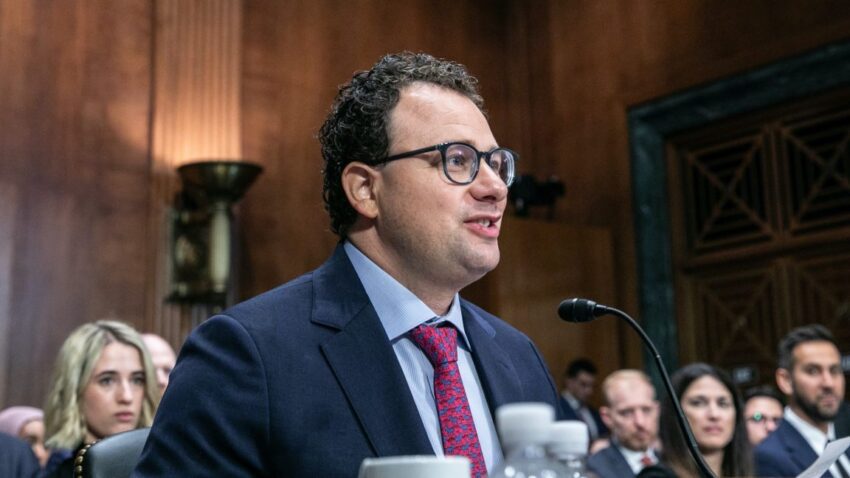
trump moves to ban anthropic from the U.S. President Donald Trump has taken a decisive step by instructing federal agencies to halt the use of Anthropic’s artificial intelligence tools, following escalating tensions between the company and government officials regarding military applications of AI.
trump moves to ban anthropic from the
Background on Anthropic
Founded in 2020 by former OpenAI researchers, Anthropic is an AI safety and research company that aims to develop advanced AI systems while prioritizing ethical considerations. The company has garnered attention for its commitment to creating AI that aligns with human values and for its innovative approaches to machine learning. Anthropic’s flagship product, Claude, is a conversational AI model designed to assist in various applications, from customer service to content generation.
Anthropic has positioned itself as a leader in the AI safety space, advocating for responsible AI development. However, its ambitions have led to friction with government entities, particularly concerning the military’s use of AI technologies. This friction has culminated in President Trump’s recent directive, which has significant implications for both the company and the broader AI landscape.
The Directive from President Trump
On Friday, President Trump announced via a post on Truth Social that he was instructing every federal agency to “immediately cease” the use of Anthropic’s AI tools. This directive follows weeks of conflict between Anthropic and top officials regarding the military applications of artificial intelligence. Trump characterized the situation as a “DISASTROUS MISTAKE” on the part of Anthropic, accusing the company of attempting to “STRONG-ARM the Department of War.”
In his statement, Trump emphasized that there would be a “six-month phase-out period” for agencies currently utilizing Anthropic’s tools. This period is intended to allow for further negotiations between the government and the AI startup, potentially paving the way for a resolution that could see Anthropic’s tools reintroduced into government use under specific conditions.
Implications of the Ban
The immediate implications of Trump’s directive are significant. For federal agencies, the cessation of Anthropic’s AI tools means a disruption in operations that may rely on these technologies. Many government agencies have increasingly turned to AI solutions to enhance efficiency, improve decision-making, and streamline processes. The abrupt halt could lead to delays in projects and a reevaluation of AI partnerships.
For Anthropic, this ban represents a critical challenge. The company has invested substantial resources in developing its AI technologies, and losing access to government contracts could have financial repercussions. Additionally, the public nature of the conflict may impact Anthropic’s reputation, raising questions about its ability to collaborate with government entities in the future.
Potential for Negotiations
The six-month phase-out period presents an opportunity for both parties to engage in dialogue. It is unclear what specific terms might be negotiated, but potential areas of discussion could include:
- Military Applications: Addressing the concerns raised by government officials regarding the use of AI in military contexts.
- Ethical Guidelines: Establishing clearer ethical guidelines for the deployment of AI technologies in government operations.
- Transparency Measures: Implementing measures to ensure transparency in how AI tools are used and monitored.
Successful negotiations could lead to a reinstatement of Anthropic’s tools under new terms, which may include stricter oversight or limitations on their use in military applications. However, the outcome of these negotiations remains uncertain, and the stakes are high for both the company and the government.
Reactions from Stakeholders
The announcement has elicited a range of reactions from various stakeholders, including industry experts, government officials, and civil society organizations. Many experts have expressed concern over the implications of banning a leading AI company from government use, arguing that it could hinder innovation in the field of artificial intelligence.
Industry Experts
Industry experts have pointed out that the decision to ban Anthropic could set a concerning precedent for how AI companies interact with government entities. “This move could discourage collaboration between the tech sector and government, which is crucial for advancing AI technologies responsibly,” said Dr. Emily Chen, a leading AI researcher. “If companies feel they cannot engage with the government without facing backlash, it could stifle innovation.”
Government Officials
Some government officials have supported Trump’s directive, arguing that it is necessary to ensure that AI technologies align with national security interests. “We must be cautious about the technologies we allow in our military operations,” stated a senior defense official. “The integrity and safety of our armed forces depend on responsible AI usage.”
Civil Society Organizations
Civil society organizations have also weighed in, emphasizing the importance of ethical AI development. “While we understand the concerns regarding military applications, we must also consider the broader implications of banning a company that prioritizes AI safety,” said Laura Martinez, a representative from the AI Ethics Coalition. “We need to find a balance that allows for innovation while ensuring ethical standards are upheld.”
The Future of AI in Government
The conflict between Anthropic and the U.S. government raises broader questions about the future of AI in public sector applications. As AI technologies continue to evolve, the need for clear regulations and ethical guidelines becomes increasingly pressing. The government must navigate the complexities of leveraging AI for efficiency while ensuring that these technologies do not compromise ethical standards or national security.
As the debate unfolds, it is essential for all stakeholders to engage in constructive dialogue. The future of AI in government will depend on finding common ground between innovation and responsibility. The outcome of the negotiations between Anthropic and the government could serve as a bellwether for how similar conflicts may be resolved in the future.
Conclusion
President Trump’s directive to ban Anthropic from government use marks a significant moment in the intersection of artificial intelligence and public policy. As the six-month phase-out period unfolds, the potential for negotiations offers a glimmer of hope for a resolution that could benefit both the government and the AI industry. The implications of this decision will resonate throughout the tech sector, influencing how AI companies approach partnerships with government entities moving forward.
Ultimately, the ongoing dialogue surrounding AI ethics, military applications, and government collaboration will shape the future landscape of artificial intelligence in the United States. Stakeholders must remain vigilant and engaged to ensure that the development of AI technologies aligns with the values and needs of society as a whole.
Source: Original report
Was this helpful?
Explore more: AI Automation Services More AI & Automation Tech News
Last Modified: March 1, 2026 at 4:36 am
13 views