trump invites cute japanese kei trucks to President Donald Trump has expressed his admiration for Japanese kei trucks, suggesting they could soon make their way to American roads.
trump invites cute japanese kei trucks to
Kei Trucks: A Brief Overview
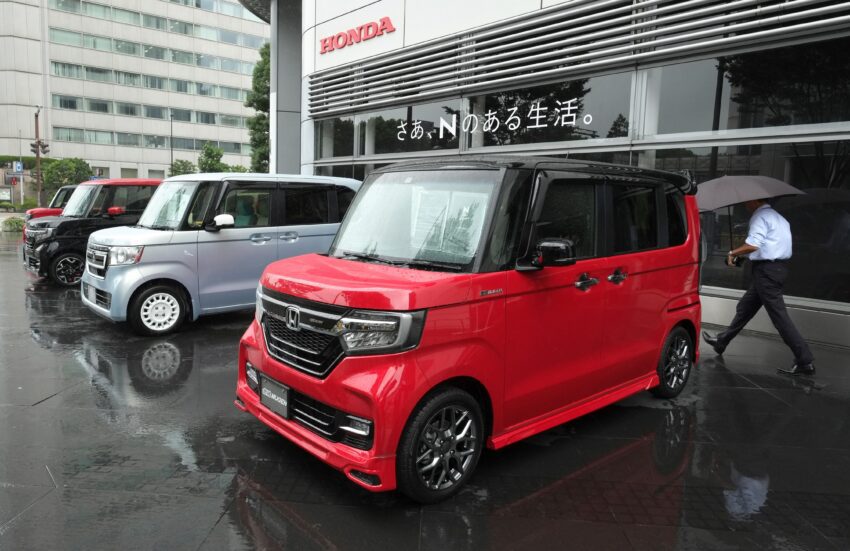
Kei trucks, short for “keitora,” are a unique class of vehicles that have gained popularity in Japan due to their compact size and efficiency. These vehicles are designed to meet specific regulations set by the Japanese government, which dictate their dimensions, engine capacity, and weight. Typically, kei trucks are characterized by:
- Engine displacement of 660cc or less
- Maximum dimensions of 3.4 meters in length, 1.48 meters in width, and 2 meters in height
- Lightweight construction, usually weighing under 1,000 kg
These regulations allow kei trucks to benefit from lower taxes and insurance costs, making them an attractive option for many consumers in Japan. In recent years, their popularity has surged, with sales tripling over the last five years. In 2022 alone, approximately 7,500 kei trucks were imported into the United States, according to data from Japan Used Motor Vehicle, as cited by CNN.
Trump’s Enthusiasm for Kei Trucks
During a recent briefing with reporters, President Trump expressed his fascination with these pint-sized vehicles. “They’re very small. They’re really cute,” he remarked, noting that he had questioned whether kei trucks could be successful in the U.S. market. His comments came alongside an announcement regarding plans to roll back fuel economy standards, a move that has drawn both support and criticism.
Trump compared kei trucks to the iconic Volkswagen Beetle, stating, “I said, how would that do in this country? And everyone seems to think, good, but you’re not allowed to build them.” This statement highlights a significant regulatory barrier that has historically limited the availability of kei trucks in the U.S.
Regulatory Landscape for Kei Trucks in the U.S.
The regulatory framework governing kei trucks in the United States is complex and somewhat ambiguous. Currently, federal regulations allow for the importation of mini trucks, but only if they are 25 years or older. This age requirement is rooted in the “25-year rule,” which permits the import of vehicles that do not meet modern safety and emissions standards, essentially grandfathering older models into the market.
However, the legality of kei trucks on American roads is further complicated by state laws, which vary widely. Some states have provisions that allow low-speed vehicles, such as golf carts, to operate on public roads. This raises the possibility that kei trucks could be classified under similar regulations, potentially allowing them to be driven legally in certain areas.
Despite these regulatory hurdles, Trump’s administration appears eager to facilitate the production and sale of kei trucks in the U.S. “He gave me the directive to clear the regulations on this, which we have,” said U.S. Transportation Secretary Sean Duffy during the briefing. “And so if Toyota or any other company wants to make smaller, more affordable cars, fuel efficient, we have cleared the deck so they can make them in America and sell them in America.”
Market Viability and Consumer Interest
While the regulatory landscape may be shifting, the question remains: would kei trucks be successful in the U.S. market? Their small size and unique features may appeal to a niche audience, particularly those looking for alternatives to the large SUVs and trucks that dominate American roads. Enthusiasts have already begun to carve out a space for kei trucks in the U.S. automotive culture, sharing their passion on social media platforms like Instagram.
On these platforms, kei truck fans post memes, share merchandise, and connect with others who appreciate the charm and utility of these vehicles. This growing community suggests that there is a demand for kei trucks, albeit a limited one. However, the majority of American consumers may find kei trucks too small for their needs, particularly when it comes to family transportation or cargo capacity.
Potential Benefits of Kei Trucks
Despite the challenges, kei trucks offer several advantages that could resonate with American consumers:
- Fuel Efficiency: With smaller engines and lighter frames, kei trucks are designed for excellent fuel economy, making them an attractive option for those looking to reduce their fuel expenses.
- Affordability: The lower production costs associated with kei trucks could translate to more affordable pricing for consumers, especially in a market where vehicle prices have been steadily rising.
- Urban Utility: Their compact size makes kei trucks ideal for urban environments, where parking can be a challenge and maneuverability is essential.
Concerns and Criticisms
While there are potential benefits to introducing kei trucks to the U.S. market, there are also significant concerns. Critics of Trump’s plan to roll back fuel efficiency standards argue that this move could have long-term negative implications for the environment. Experts predict that any initial savings from lower-priced vehicles may be offset by increased fuel costs over time, particularly as fuel prices fluctuate.
Moreover, there is skepticism regarding whether kei trucks can meet the stringent Federal Motor Vehicle Safety Standards (FMVSS). These regulations cover a wide range of safety features, including crashworthiness, braking performance, and emissions controls. The challenge of adapting kei trucks to meet these standards could pose significant hurdles for manufacturers looking to enter the U.S. market.
Stakeholder Reactions
The announcement has elicited a range of responses from various stakeholders. Automakers, particularly those with a vested interest in the kei truck market, have expressed cautious optimism. Companies like Toyota and Suzuki, which already produce kei trucks, may see an opportunity to expand their offerings in the U.S. However, they will need to navigate the regulatory landscape carefully to ensure compliance with safety and emissions standards.
Environmental groups, on the other hand, have voiced concerns about the implications of rolling back fuel efficiency standards. They argue that prioritizing the introduction of kei trucks should not come at the expense of environmental protections. “We need to focus on sustainable transportation solutions that reduce our carbon footprint, not just on making cars cheaper,” said a representative from a leading environmental advocacy group.
Conclusion: The Future of Kei Trucks in America
As President Trump champions the introduction of kei trucks to the U.S. market, the future of these vehicles remains uncertain. While there is a growing interest among enthusiasts and potential benefits for consumers, significant regulatory and market challenges must be addressed. The landscape of the automotive industry is evolving, and the introduction of kei trucks could represent a shift towards smaller, more efficient vehicles. However, whether they can carve out a substantial niche in the American market remains to be seen.
Source: Original report
Was this helpful?
Explore more: More General Technology Tech News Blog
Last Modified: December 5, 2025 at 1:42 am
21 views