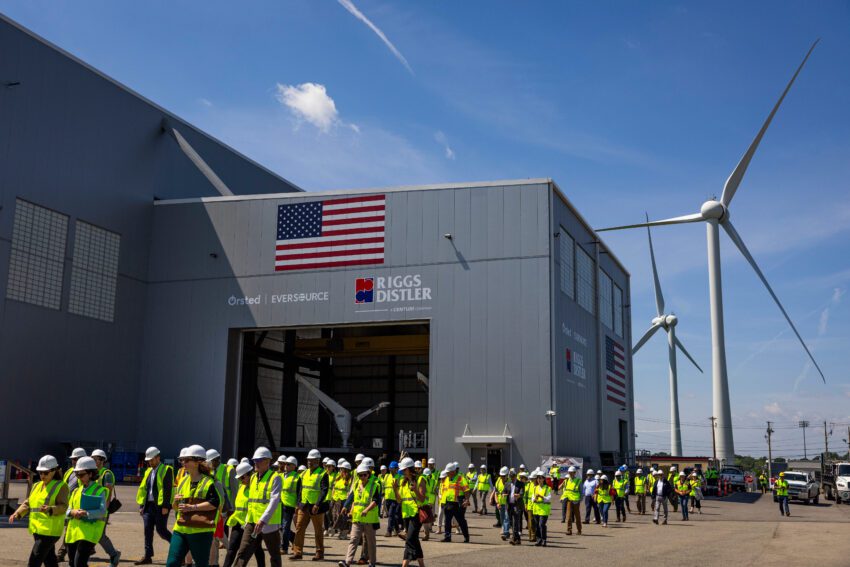
trump told a major offshore wind project to stop construction just before it reached the finish line: President Trump has ordered a halt to construction on the Revolution Wind project, a significant offshore wind farm nearing completion, citing national security concerns.
Trump told a major offshore wind project to stop construction just before it reached the finish line – Overview of the Revolution Wind Project
The Revolution Wind project is a major offshore wind initiative situated off the coasts of Rhode Island and Connecticut. As of June 13, 2024, the project was reported to be approximately 80 percent complete. Once operational, it is expected to generate enough electricity to power over 350,000 homes across both states. The project is being developed by Ørsted, a leading global renewable energy firm, in collaboration with Eversource Energy.
Project Specifications
- Location: Offshore wind farm off Rhode Island and Connecticut
- Completion Status: Approximately 80 percent complete as of June 2024
- Expected Capacity: Enough electricity to power over 350,000 homes
- Developers: Ørsted and Eversource Energy
Federal Intervention
On a recent Friday, the U.S. Bureau of Ocean Energy Management (BOEM) issued a letter to Ørsted, instructing the company to “halt all ongoing activities” related to the Revolution Wind project. This directive was justified by the agency citing purported national security concerns and potential interference with other uses of the ocean area designated for the wind farm.
Such government interventions are not unprecedented; earlier this year, the Trump administration similarly paused construction on the Empire Wind project off the coast of New York State. This delay reportedly cost developers approximately $50 million a week before the project was permitted to resume operations.
Implications for Renewable Energy
The timing of this halt raises questions about the future of renewable energy in the United States, particularly in the context of rising electricity demand driven by several factors:
- Increased reliance on data centers
- Growth in domestic manufacturing
- Expansion of electric vehicle usage
As these sectors grow, they place additional stress on existing power grids. The Revolution Wind project was seen as a critical component in addressing these challenges by providing a sustainable energy source to meet the growing demand.
Political Context
President Trump’s administration has consistently positioned itself against the expansion of wind energy, which has often been viewed as a competitive threat to the fossil fuel industry. This stance aligns with the interests of industries that supported Trump’s campaign, suggesting that political motivations may be influencing decisions regarding renewable energy projects.
The administration’s actions have sparked concerns among environmental advocates and industry stakeholders who argue that such interventions could hinder progress toward cleaner energy solutions. The Revolution Wind project, along with others like it, represents a significant investment in renewable energy infrastructure, which is crucial for meeting national and global climate goals.
Ørsted’s Response
In light of the recent halt, Ørsted has announced that it is currently evaluating its legal options to challenge the BOEM’s decision. The company has emphasized its commitment to the project and the importance of offshore wind energy in the transition to a sustainable energy future.
Ørsted has been a pioneer in the offshore wind sector, with numerous projects already operational in Europe and ongoing developments in the United States. The company’s experience and resources may play a critical role in navigating the regulatory landscape and potentially overcoming the challenges posed by the current administration.
Stakeholder Reactions
The halt on construction has elicited a range of reactions from various stakeholders:
- Environmental Groups: Many environmental advocates have expressed frustration over the decision, arguing that it undermines efforts to combat climate change and transition to renewable energy sources.
- Local Governments: Officials in Rhode Island and Connecticut have voiced concerns about the impact of the halt on job creation and economic development in their states.
- Energy Industry Experts: Analysts in the energy sector are closely monitoring the situation, as it could set a precedent for future offshore wind projects and influence investment decisions.
Future of Offshore Wind in the U.S.
The future of offshore wind energy in the United States remains uncertain, particularly in light of the Trump administration’s ongoing scrutiny of renewable energy projects. The Revolution Wind project is not only vital for local energy needs but also serves as a barometer for the broader offshore wind industry.
As the country grapples with the need for sustainable energy solutions, the outcome of this situation could have lasting implications for future investments in renewable energy. The potential for legal challenges and ongoing regulatory hurdles may deter new projects, impacting job creation and energy transition efforts.
Conclusion
The order to halt construction on the Revolution Wind project underscores the complexities surrounding the development of renewable energy in the United States. With the project already 80 percent complete, the intervention raises significant questions about the balance between national security concerns and the urgent need for sustainable energy solutions.
As Ørsted evaluates its legal options, the response from stakeholders and the broader public will likely influence the direction of future offshore wind initiatives. The Revolution Wind project serves as a critical case study in the evolving landscape of energy policy and its implications for the future of renewable energy in America.
Source: Original reporting
Was this helpful?
Explore more: More General Technology Tech News Blog
Last Modified: August 27, 2025 at 1:49 am
11 views