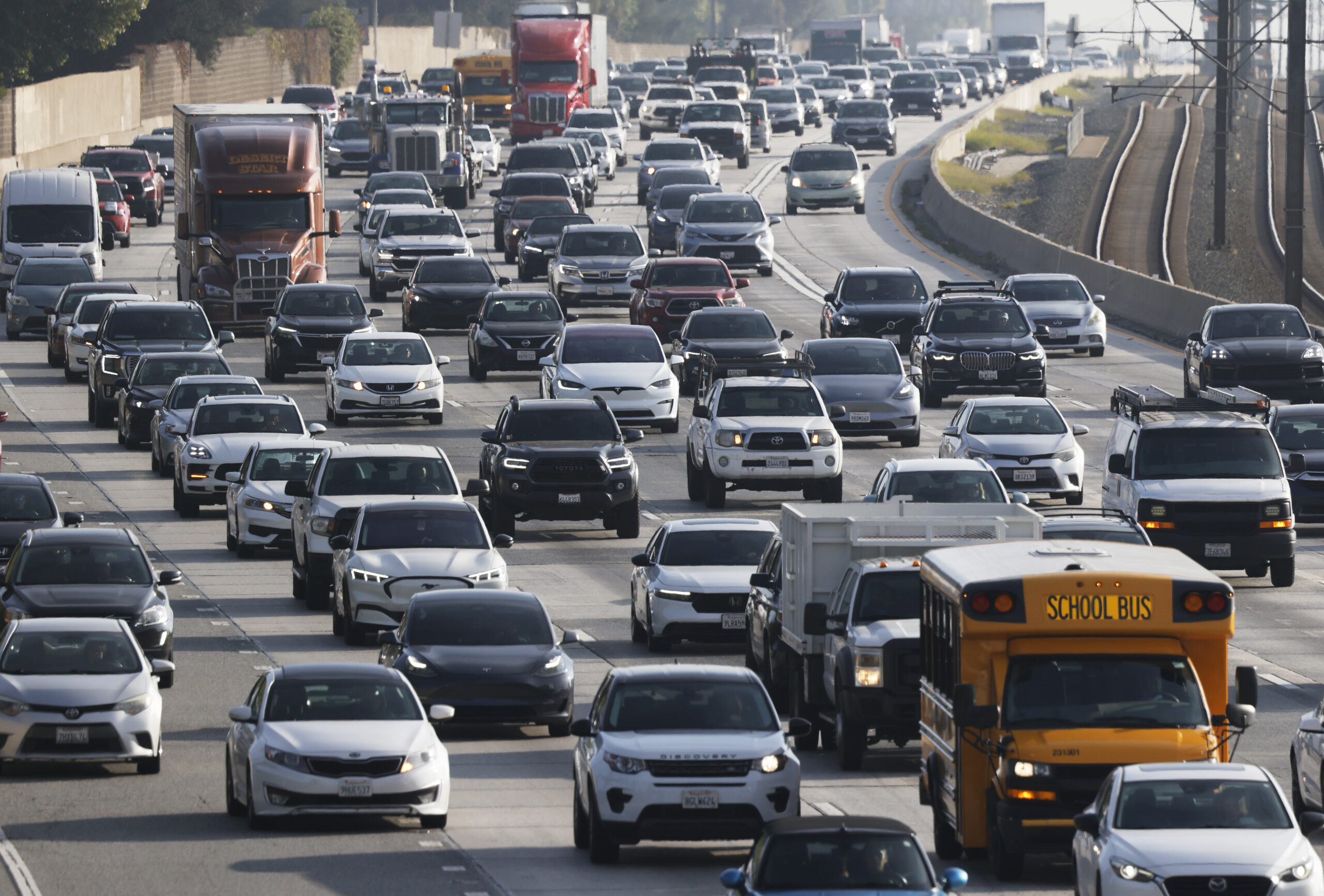
trump administration rolls back fuel economy standards The Trump administration has announced a rollback of fuel economy standards, a move that could significantly impact environmental regulations and automotive industry practices in the United States.
trump administration rolls back fuel economy standards
Overview of the Rollback
The recent decision by the Trump administration to roll back fuel economy standards is a continuation of its broader strategy to reduce regulatory burdens on the automotive industry. This latest regulatory change aims to ease the requirements set forth during the Obama administration, which sought to increase fuel efficiency and reduce greenhouse gas emissions from vehicles.
Under the previous standards, automakers were required to achieve an average fuel economy of 54.5 miles per gallon (mpg) by 2025. The new regulations, however, would lower these requirements, making it easier for manufacturers to produce less fuel-efficient vehicles. This decision has raised concerns among environmentalists, public health advocates, and some segments of the automotive industry.
Implications of the Rollback
The implications of this rollback are multifaceted, affecting not only environmental policies but also economic factors and public health. By lowering fuel efficiency standards, the administration is likely to encourage the production of larger, less fuel-efficient vehicles, such as SUVs and trucks, which have become increasingly popular among consumers.
Environmental Impact
From an environmental perspective, the rollback could lead to increased greenhouse gas emissions. The transportation sector is one of the largest contributors to carbon emissions in the United States, accounting for nearly 29% of total emissions. By allowing manufacturers to produce vehicles that do not meet previous efficiency standards, the administration is potentially exacerbating climate change issues.
Environmental advocates argue that the rollback undermines efforts to combat climate change and protect air quality. The Union of Concerned Scientists, for example, has stated that the rollback could lead to millions of additional tons of carbon dioxide emissions over the next decade. This could have long-term consequences for public health, as increased emissions are linked to respiratory issues and other health problems.
Economic Considerations
Economically, the rollback may have mixed effects. On one hand, it could lower manufacturing costs for automakers, allowing them to allocate resources to other areas, such as research and development or marketing. This could potentially lead to lower vehicle prices for consumers in the short term.
On the other hand, the long-term economic implications could be detrimental. As fuel efficiency decreases, consumers may face higher fuel costs over time, negating any initial savings from lower vehicle prices. Additionally, the shift towards less fuel-efficient vehicles could hinder the growth of the electric vehicle (EV) market, which relies on stricter fuel economy standards to encourage innovation and investment.
Stakeholder Reactions
The rollback has elicited a wide range of reactions from various stakeholders, including automakers, environmental groups, and government officials.
Automakers’ Perspectives
Many automakers have expressed support for the rollback, arguing that it provides them with greater flexibility in vehicle design and production. The Alliance for Automotive Innovation, which represents major manufacturers, has stated that the new standards will allow for a more balanced approach to fuel economy and emissions reductions. They argue that the previous standards were too stringent and did not take into account consumer preferences for larger vehicles.
However, some automakers have also indicated a desire to continue pursuing more fuel-efficient technologies, regardless of regulatory requirements. Companies like Ford and General Motors have announced plans to invest heavily in electric vehicles and hybrid technologies, suggesting that market demand may drive innovation regardless of government standards.
Environmental Groups’ Concerns
In stark contrast, environmental groups have condemned the rollback as a dangerous step backward in the fight against climate change. Organizations such as the Sierra Club and Greenpeace have voiced their opposition, emphasizing that the decision undermines years of progress in reducing emissions and improving air quality.
These groups argue that the rollback not only threatens the environment but also public health, as increased emissions can lead to higher rates of asthma and other respiratory illnesses. They are calling for stronger regulations and greater investment in clean energy alternatives to combat these issues.
Political Context
The rollback of fuel economy standards is part of a larger political context that has seen the Trump administration prioritize deregulation across various sectors. This approach has been met with both support and opposition, reflecting the polarized nature of contemporary American politics.
Supporters of the rollback argue that reducing regulations fosters economic growth and job creation, while critics contend that it jeopardizes public health and environmental sustainability. The debate over fuel economy standards is emblematic of broader ideological divides regarding the role of government in regulating industry and protecting the environment.
Future Administration Challenges
One of the most significant consequences of the rollback is the potential difficulty future administrations may face in reinstating stricter fuel efficiency standards. By weakening the regulatory framework, the Trump administration is making it harder for subsequent governments to implement more stringent measures aimed at reducing emissions and promoting fuel efficiency.
This could lead to a regulatory landscape that favors less environmentally friendly practices, making it challenging to achieve national and international climate goals. The rollback may also set a precedent for other regulatory areas, complicating efforts to address pressing environmental issues.
Conclusion
The Trump administration’s decision to roll back fuel economy standards represents a significant shift in U.S. regulatory policy, with far-reaching implications for the automotive industry, the environment, and public health. While supporters of the rollback argue that it will stimulate economic growth and provide consumers with more vehicle options, critics warn of the potential long-term consequences for climate change and air quality.
As the debate continues, it remains to be seen how this regulatory change will influence consumer behavior, automaker strategies, and environmental outcomes in the years to come. The complexities of the issue highlight the ongoing tension between economic interests and environmental stewardship, a challenge that will likely persist in future policy discussions.
Source: Original report
Was this helpful?
Explore more: More Big Tech & Platforms Tech News Blog
Last Modified: December 4, 2025 at 2:39 am
23 views