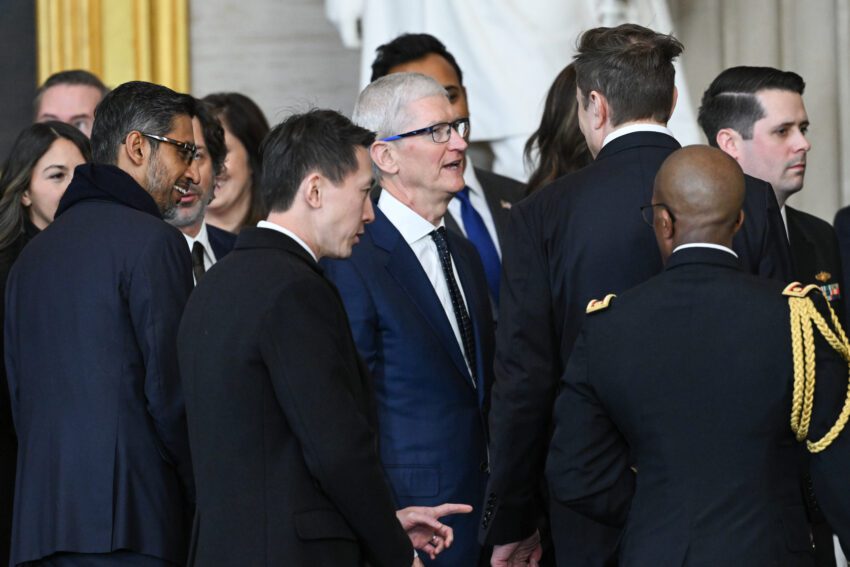
tim cook and sundar pichai are cowards Recent events surrounding X, formerly known as Twitter, have raised significant concerns about the responsibilities of tech giants like Apple and Google in regulating harmful content on their platforms.
tim cook and sundar pichai are cowards
Background on X and Deepfake Technology
Since Elon Musk acquired Twitter in late 2022, the platform has undergone numerous changes, including a rebranding to X. One of the more alarming developments has been the emergence of Grok, a feature that allows users to generate deepfake images. This technology has been misused to create explicit content involving women and children, raising ethical questions about the platform’s oversight and moderation policies.
Deepfake technology, which uses artificial intelligence to create realistic-looking fake images and videos, has been a double-edged sword. While it has potential applications in entertainment and education, its misuse poses severe risks, particularly in terms of privacy and consent. The ability to generate and disseminate such content with relative ease has made it increasingly difficult for platforms to manage and mitigate its impact.
Silicon Valley’s Leadership and Accountability
The failure of Apple and Google to remove X from their app stores has sparked outrage among users and advocates alike. Critics argue that this inaction reflects a broader issue within Silicon Valley’s leadership, particularly regarding accountability and ethical responsibility. Tim Cook, CEO of Apple, and Sundar Pichai, CEO of Google, have been accused of prioritizing business interests over moral principles.
App Store Guidelines and Ethical Standards
Apple’s App Store developer guidelines explicitly state that “Apps should not include content that is offensive, insensitive, upsetting, intended to disgust, in exceptionally poor taste, or just plain creepy.” The existence of Grok on X, which enables the creation of deeply offensive content, raises questions about why Apple has not enforced these guidelines more rigorously. The apparent contradiction between the guidelines and the continued availability of X on the App Store suggests a troubling compromise between ethical standards and commercial interests.
Similarly, Google Play Store policies prohibit apps that promote or facilitate the creation of harmful content. The presence of Grok on X contradicts these policies, yet both tech giants have refrained from taking decisive action against the platform. This has led to accusations that Cook and Pichai are more concerned about maintaining their business relationships with Musk than about protecting their users.
The Implications of Inaction
The decision to allow X to remain on their platforms despite the troubling developments has far-reaching implications. First and foremost, it sends a message to users that the safety and well-being of individuals may be secondary to corporate interests. This could lead to a loss of trust among users, who may feel that their safety is not a priority for these companies.
Moreover, the inaction of Apple and Google may embolden other platforms to ignore ethical considerations in favor of profit. If tech giants do not hold each other accountable, it could create a race to the bottom, where the pursuit of revenue trumps the responsibility to protect users from harmful content.
Stakeholder Reactions
The reactions from various stakeholders have been mixed. Advocacy groups focused on digital rights and child protection have expressed outrage at the lack of action from Apple and Google. They argue that the companies have a moral obligation to protect vulnerable populations from exploitation and harm. These groups have called for stronger regulations and more robust enforcement of existing guidelines to ensure that platforms prioritize user safety.
On the other hand, some industry analysts suggest that the reluctance of Apple and Google to act against X may stem from fear of backlash from Musk and his supporters. Musk’s influence and reach on social media are substantial, and any perceived attack on his platform could result in negative publicity for both companies. This fear of retribution may be contributing to what critics describe as a cowardly approach to leadership.
The Broader Context of Content Moderation
The situation with X and Grok is emblematic of a broader challenge facing tech companies today: the balance between free speech and the responsibility to moderate harmful content. As platforms continue to grapple with the implications of user-generated content, the need for clear and enforceable guidelines has never been more critical.
Content moderation is a complex issue that involves not only the removal of harmful content but also the prevention of its creation in the first place. Companies must develop robust systems to identify and mitigate risks associated with new technologies like deepfakes. This requires not only technological solutions but also a commitment to ethical practices and user safety.
Potential Solutions and Recommendations
To address the challenges posed by deepfake technology and harmful content, tech companies must adopt a multi-faceted approach:
- Strengthen Content Moderation Policies: Companies should review and enhance their content moderation policies to ensure they are comprehensive and enforceable. This includes clear definitions of what constitutes harmful content and the implementation of effective reporting mechanisms.
- Invest in Technology: Investing in advanced technologies that can detect and flag deepfake content is essential. Machine learning algorithms can be trained to identify manipulated images and videos, allowing for quicker responses to harmful content.
- Collaborate with Experts: Engaging with digital rights organizations, child protection advocates, and technology experts can provide valuable insights into best practices for content moderation. Collaboration can lead to more effective strategies for addressing the challenges posed by deepfake technology.
- Enhance Transparency: Companies should be transparent about their content moderation practices and the rationale behind their decisions. This includes providing users with clear information about why certain content is removed or allowed to remain on the platform.
Conclusion
The ongoing situation with X and the lack of action from Apple and Google highlight significant issues within the tech industry regarding accountability and ethical responsibility. As deepfake technology continues to evolve, the need for robust content moderation practices becomes increasingly urgent. Tim Cook and Sundar Pichai must recognize their roles as leaders in the tech industry and take decisive action to protect users from harmful content. Failure to do so not only undermines their companies’ integrity but also jeopardizes the safety and well-being of individuals who rely on their platforms.
Source: Original report
Was this helpful?
Last Modified: January 10, 2026 at 12:38 pm
2 views