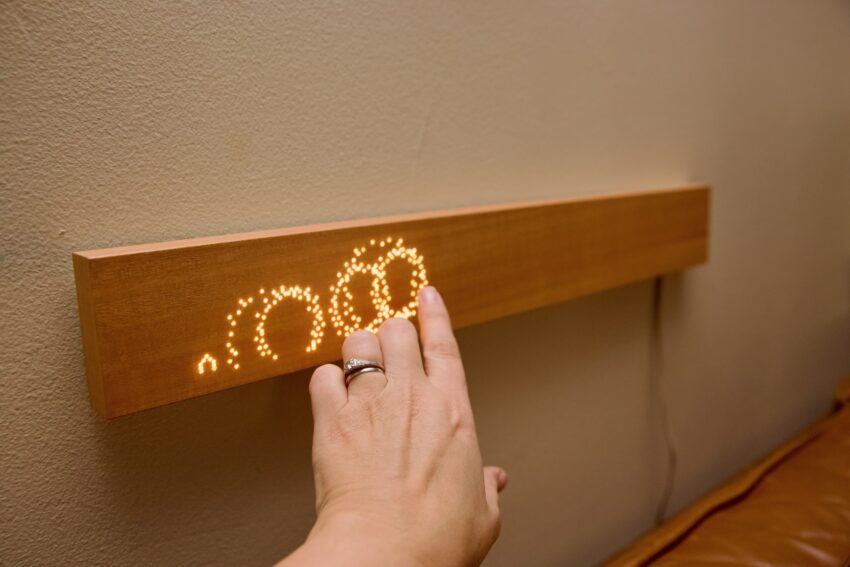
this smart home controller is literally a The Mui Board, a unique smart home controller crafted from wood, is now available for consumers, marking a significant step in the evolution of home automation technology.
this smart home controller is literally a
Introduction to the Mui Board
The Mui Board represents a novel approach to smart home technology, combining functionality with a minimalist aesthetic. Unlike traditional smart home devices that often feature screens and complex interfaces, the Mui Board is designed to blend seamlessly into a home environment. Its wooden exterior not only provides a natural look but also serves as a tactile interface for users. This innovative product aims to simplify the way we interact with our smart home devices.
A Brief History of the Mui Board
The journey of the Mui Board began at CES 2019, where it was first unveiled to the public. The concept immediately captured the attention of tech enthusiasts and industry professionals alike. Over the years, the Mui Board has undergone several iterations, each time refining its design and functionality. Despite the excitement surrounding its launch, the product faced delays, leading to a prolonged wait for consumers eager to integrate it into their homes.
In 2023, the Mui Board finally became available for purchase, albeit in limited quantities. This release marked a significant milestone for the product and its creators, who had worked tirelessly to bring their vision to life. The Mui Board is designed to be compatible with Matter, a universal standard for smart home devices, allowing it to work seamlessly with a variety of other smart home products.
Design and Features
Minimalist Aesthetic
The Mui Board’s design is one of its most striking features. Made from natural wood, it offers a warm, organic feel that contrasts sharply with the cold, metallic finishes of many modern gadgets. This choice of material not only enhances the visual appeal but also aligns with a growing consumer preference for sustainable and eco-friendly products.
Tactile Interaction
One of the standout characteristics of the Mui Board is its screen-free interface. Instead of relying on a digital display, users interact with the device through a series of touch-sensitive controls embedded in the wood. This tactile interaction is designed to be intuitive, allowing users to control their smart home devices with simple gestures. For instance, users can swipe or tap on the surface to adjust lighting, control music, or manage other connected devices.
Compatibility with Smart Home Ecosystems
The Mui Board’s compatibility with Matter is a game-changer in the smart home landscape. Matter is a connectivity standard developed by the Connectivity Standards Alliance (CSA) that aims to unify the fragmented smart home market. By adhering to this standard, the Mui Board can communicate with a wide range of devices from different manufacturers, making it a versatile addition to any smart home setup.
Limited Functionality
While the Mui Board offers a unique approach to smart home control, it is essential to note that its functionality is somewhat limited compared to more traditional smart home hubs. Users may find that certain advanced features available in other devices are not present in the Mui Board. However, its simplicity may appeal to those who prefer a straightforward, no-frills approach to home automation.
Implications for Smart Home Technology
The introduction of the Mui Board raises several important questions about the future of smart home technology. As consumers increasingly seek devices that blend seamlessly into their living spaces, products like the Mui Board may signal a shift away from the dominance of screens and complex interfaces. Instead, there may be a growing demand for devices that prioritize simplicity and aesthetics.
Consumer Preferences
As the smart home market continues to expand, understanding consumer preferences becomes crucial. Many consumers are looking for devices that not only perform well but also complement their home decor. The Mui Board’s wooden design caters to this demand, offering a product that is both functional and visually appealing. This trend may encourage other manufacturers to explore alternative materials and designs that prioritize aesthetics alongside functionality.
Market Competition
The Mui Board enters a competitive market filled with established players and emerging startups. Traditional smart home hubs, such as those offered by Google and Amazon, have set high standards for functionality and integration. However, the Mui Board’s unique design and approach may carve out a niche for itself among consumers seeking something different. Its success could inspire other companies to innovate in the realm of smart home devices, leading to a broader range of options for consumers.
Stakeholder Reactions
The Mui Board’s release has garnered a mixed response from industry experts and consumers alike. Some tech enthusiasts have praised its innovative design and the potential for a more natural interaction with smart home technology. Others, however, have expressed concerns about its limited functionality compared to more established devices.
Industry Experts
Industry experts have noted that the Mui Board’s focus on aesthetics and tactile interaction could resonate with consumers who are increasingly disenchanted with the complexity of traditional smart home devices. The simplicity of the Mui Board may appeal to those who prefer a more hands-on approach to controlling their home environment.
Consumer Feedback
Initial consumer feedback has been largely positive, with many users appreciating the Mui Board’s unique design and ease of use. However, some have pointed out that the lack of a screen may limit its functionality, especially for users accustomed to more feature-rich smart home hubs. As consumers continue to explore the capabilities of the Mui Board, it will be interesting to see how its reception evolves over time.
Future Prospects
The future of the Mui Board appears promising, particularly as the demand for smart home devices continues to grow. As more consumers seek to automate their living spaces, products that offer a unique blend of design and functionality may find a receptive audience. The Mui Board’s compatibility with Matter also positions it well for future updates and integrations with other smart home devices.
Potential for Expansion
Looking ahead, there is potential for the Mui Board to expand its functionality through software updates and partnerships with other smart home manufacturers. By enhancing its capabilities, the Mui Board could become a more comprehensive solution for consumers looking to manage their smart home devices effectively. Additionally, as the Matter standard evolves, the Mui Board may benefit from increased compatibility with an even broader range of devices.
Conclusion
The Mui Board represents a significant step forward in the realm of smart home technology, offering a unique and aesthetically pleasing alternative to traditional smart home controllers. Its minimalist design and tactile interface set it apart from the competition, appealing to consumers who value simplicity and elegance in their home automation solutions. As the smart home market continues to evolve, the Mui Board may pave the way for a new generation of devices that prioritize design and user experience alongside functionality.
Source: Original report
Was this helpful?
Explore more: More Consumer Technology Tech News Blog
Last Modified: January 4, 2026 at 4:40 am
31 views