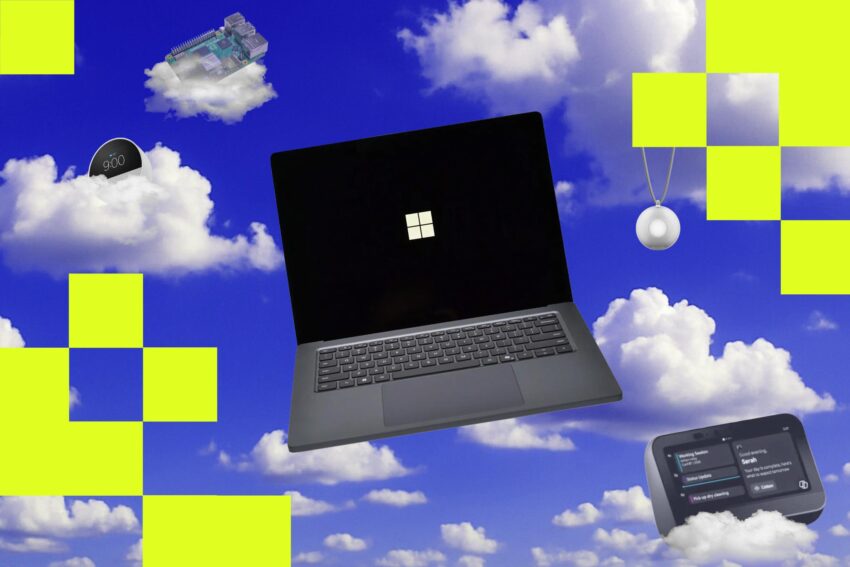
this is your laptop on ai Recent advancements in artificial intelligence (AI) are fundamentally transforming the capabilities of personal laptops, enhancing user experience and productivity in unprecedented ways.
this is your laptop on ai
Introduction to AI in Personal Computing
The integration of AI into personal computing devices, particularly laptops, marks a significant milestone in technology. As AI continues to evolve, it reshapes how users interact with their devices, making them smarter, more intuitive, and capable of performing complex tasks with minimal input. This transformation is not merely a trend; it represents a paradigm shift in the way we utilize technology in our daily lives. The implications of this shift are profound, affecting everything from individual productivity to broader societal dynamics.
The Role of AI in Enhancing User Experience
One of the most notable impacts of AI on laptops is the enhancement of user experience. AI algorithms are designed to learn from user behavior, allowing laptops to adapt to individual preferences and habits. This personalization can manifest in various ways:
- Smart Assistants: AI-driven virtual assistants, such as Microsoft’s Cortana and Apple’s Siri, provide users with hands-free control over their devices. These assistants can schedule appointments, set reminders, and even control smart home devices, all through voice commands. This functionality not only saves time but also allows users to multitask more effectively.
- Predictive Text and Autocorrect: AI algorithms analyze typing patterns to offer predictive text suggestions and autocorrect errors, streamlining the writing process. This feature is particularly beneficial for professionals who rely on efficient communication, as it minimizes the time spent on editing and increases overall productivity.
- Personalized Recommendations: AI can analyze user preferences to suggest applications, content, and settings that enhance productivity. For instance, if a user frequently edits photos, the laptop may recommend advanced photo editing software, thereby reducing the time spent searching for suitable tools.
AI-Driven Customization
Beyond these features, AI can also customize the user interface based on individual usage patterns. For example, a laptop might rearrange desktop icons or suggest frequently used applications based on the time of day or the user’s current tasks. This level of customization enhances user satisfaction and makes the device feel more intuitive and responsive to individual needs.
Improving Productivity with AI Tools
AI is not only enhancing user experience but also significantly improving productivity. Several AI-powered tools and applications are designed to assist users in completing tasks more efficiently:
- Task Automation: AI can automate repetitive tasks, freeing up time for users to focus on more complex activities. For example, software like Zapier allows users to create workflows that automatically transfer data between applications, reducing manual input and the potential for errors.
- Data Analysis: AI tools can analyze large datasets quickly and accurately, providing insights that would take humans considerably longer to uncover. This capability is invaluable for professionals in fields such as finance, marketing, and research, where timely data-driven decisions are crucial.
- Enhanced Collaboration: AI-driven collaboration tools, such as Microsoft Teams and Slack, use machine learning to improve communication and project management among teams. Features like smart scheduling and automated meeting notes help streamline group work, making it easier for teams to stay aligned and productive.
AI in Creative Workflows
AI is also making strides in creative fields. For instance, tools like Adobe’s Sensei leverage AI to assist in graphic design and video editing, enabling creators to focus more on their artistic vision rather than the technical aspects of their work. This not only speeds up the creative process but also opens new avenues for innovation.
AI and Security Enhancements
As laptops become increasingly interconnected, security concerns have risen. AI plays a crucial role in enhancing the security of personal devices:
- Threat Detection: AI algorithms can identify unusual patterns of behavior that may indicate a security threat. By analyzing data in real-time, these systems can detect potential breaches and respond more swiftly than traditional security measures, significantly reducing the risk of data loss.
- Biometric Authentication: Many modern laptops incorporate AI-driven biometric authentication methods, such as facial recognition and fingerprint scanning. These technologies provide an additional layer of security, ensuring that only authorized users can access the device, thereby protecting sensitive information.
- Phishing Protection: AI can help identify phishing attempts by analyzing email content and sender behavior. This capability is essential in protecting users from scams and malicious attacks, which are becoming increasingly sophisticated.
AI and Cybersecurity Trends
As cyber threats evolve, the role of AI in cybersecurity is expected to grow. Future developments may include more advanced AI systems capable of predicting potential threats based on historical data, thereby allowing organizations to proactively strengthen their defenses. This proactive approach could significantly reduce the incidence of successful cyberattacks.
Challenges and Concerns
Despite the numerous benefits of AI integration in laptops, there are challenges and concerns that stakeholders must address:
- Privacy Issues: The collection of user data for AI algorithms raises significant privacy concerns. Users may be uncomfortable with the extent of data being collected and how it is used. Transparency in data handling practices is essential to build trust among users.
- Dependence on Technology: As laptops become more reliant on AI, there is a risk that users may become overly dependent on technology for basic tasks, potentially diminishing their problem-solving skills. This reliance could lead to a lack of critical thinking and creativity in various tasks.
- Job Displacement: The automation of tasks through AI could lead to job displacement in certain sectors. While AI can enhance productivity, it may also replace roles that involve repetitive tasks, raising concerns about the future of work and the need for reskilling.
Ethical Considerations
Moreover, the ethical implications of AI usage cannot be overlooked. Issues such as algorithmic bias and the potential for misuse of AI technologies require ongoing dialogue among stakeholders, including developers, policymakers, and users. Establishing ethical guidelines for AI development and deployment is crucial to ensure that these technologies benefit society as a whole.
The Future of AI in Laptops
The future of AI in personal computing is promising, with several trends emerging that will shape the next generation of laptops:
- Increased Integration: As AI technology continues to advance, we can expect deeper integration of AI capabilities into operating systems and applications. This will lead to even more personalized and efficient user experiences, making laptops more responsive to individual needs.
- Edge Computing: The rise of edge computing will allow AI algorithms to process data locally on the device rather than relying on cloud computing. This shift will enhance speed and security while reducing latency, making real-time applications more viable.
- AI-Driven Hardware: Future laptops may feature hardware specifically designed to support AI applications, such as dedicated AI processors. This will enable more complex computations and improve overall performance, paving the way for innovative applications that were previously not feasible.
Potential for New Applications
As AI technology matures, we may also see the emergence of entirely new applications that leverage AI capabilities in ways we cannot yet imagine. From advanced virtual reality experiences to personalized learning environments, the possibilities are vast and exciting.
Stakeholder Reactions
The integration of AI into laptops has garnered mixed reactions from various stakeholders:
- Consumers: Many consumers appreciate the convenience and efficiency that AI brings to their daily tasks. However, there are concerns about privacy and the potential for over-reliance on technology. Users are increasingly demanding transparency regarding how their data is used and protected.
- Manufacturers: Laptop manufacturers are investing heavily in AI technology to differentiate their products in a competitive market. Companies like Dell, HP, and Lenovo are incorporating AI features to enhance user experience and security, recognizing that these capabilities can be a significant selling point.
- Regulators: Governments and regulatory bodies are beginning to scrutinize AI technologies, focusing on ethical considerations and data privacy. Policymakers are tasked with creating frameworks that protect consumers while fostering innovation, ensuring that the benefits of AI can be realized without compromising individual rights.
Industry Collaboration
Collaboration among stakeholders will be essential in navigating the complexities of AI integration. Industry groups, academic institutions, and government agencies must work together to establish best practices and standards that promote responsible AI use.
Conclusion
The integration of AI into laptops is revolutionizing the way users interact with technology. From enhancing user experience and productivity to improving security, AI is poised to play a central role in the future of personal computing. However, as with any technological advancement, it is essential to address the challenges and concerns that arise. Stakeholders must work collaboratively to ensure that the benefits of AI are realized while minimizing potential risks. As we look ahead, the potential for AI to transform laptops and, by extension, our daily lives is immense, paving the way for a smarter, more efficient future.
Source: Original report
Was this helpful?
Explore more: AI Automation Services More AI & Automation Tech News
Last Modified: June 9, 2026 at 8:52 pm
13 views