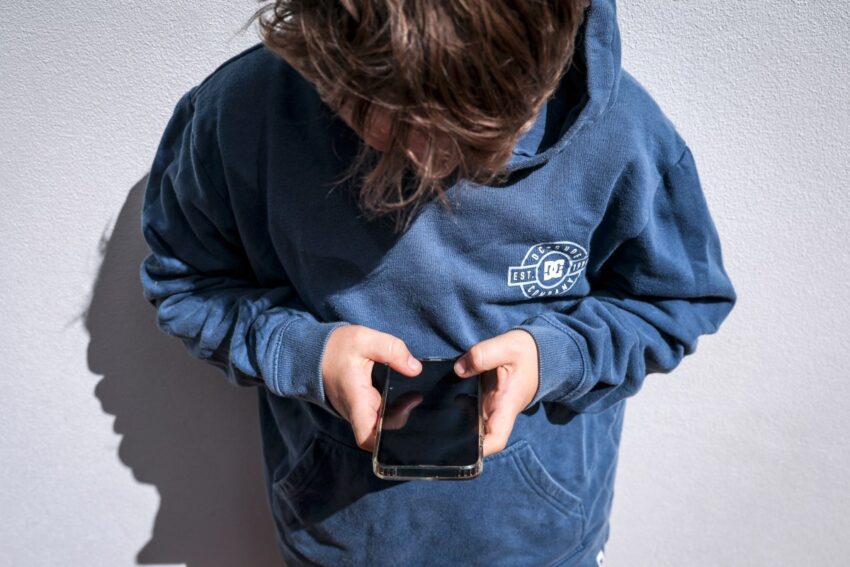
these are the countries moving to ban Several countries are taking significant steps to restrict social media access for children, aiming to protect young users from various online risks.
these are the countries moving to ban
Australia’s Pioneering Move
Australia was the first country to implement a ban on social media for children in late 2025. This groundbreaking decision was driven by growing concerns over the mental health of young users and the potential dangers they face online. The Australian government aimed to mitigate issues such as cyberbullying, social media addiction, and exposure to online predators. By restricting access to these platforms, officials hope to create a safer digital environment for children.
The Rationale Behind the Ban
The decision to ban social media for children in Australia was not made lightly. Numerous studies have highlighted the negative impact of social media on young people’s mental health. Reports indicate that children exposed to cyberbullying are at a higher risk of developing anxiety, depression, and other mental health issues. Furthermore, social media addiction has been linked to decreased academic performance and social isolation.
In addition to mental health concerns, the Australian government recognized the risks posed by online predators. With children increasingly using social media platforms, the potential for exploitation and abuse has become a pressing issue. By implementing a ban, Australia aims to shield its youth from these threats and foster a healthier online experience.
Global Trends in Social Media Regulation
Following Australia’s lead, several other countries have begun to consider or implement similar bans on social media for children. This trend reflects a growing recognition of the need to protect young users in an increasingly digital world.
Countries Considering Similar Bans
- United Kingdom: The UK government has been actively discussing the possibility of introducing legislation to limit children’s access to social media. Officials cite concerns over mental health and online safety as primary motivators for this potential ban.
- France: France has also expressed interest in regulating children’s social media usage. The French government is exploring measures that would restrict access to certain platforms for users under a specific age.
- New Zealand: New Zealand is contemplating similar restrictions, with discussions focusing on the impact of social media on children’s well-being and safety.
Implications of Social Media Bans
The implications of these bans extend beyond the immediate protection of children. While the primary goal is to safeguard young users, there are several broader considerations that governments must take into account.
Impact on Mental Health
Research has shown that social media can have both positive and negative effects on mental health. While the bans aim to reduce exposure to harmful content and interactions, they may also limit the benefits that social media can provide, such as social connection and support. Policymakers must carefully balance these factors to ensure that children can still engage in healthy online interactions.
Effects on Social Development
Social media plays a significant role in the social development of children and adolescents. By restricting access, governments may inadvertently hinder the development of essential social skills. Young people often use social media to communicate and build relationships with peers, and limiting this access could impact their ability to navigate social situations effectively.
Parental and Community Reactions
The response to these bans has been mixed. Some parents and guardians support the measures, believing that they will protect their children from online dangers. Others, however, express concerns about the potential overreach of government regulations and the implications for personal freedoms.
Stakeholder Reactions
As countries consider or implement social media bans for children, various stakeholders have voiced their opinions on the matter.
Parents and Guardians
Many parents welcome the bans, viewing them as a necessary step to protect their children from the risks associated with social media. They argue that the mental health of young users should be a top priority and that government intervention is essential in creating a safer online environment.
Conversely, some parents worry about the implications of such bans on their children’s social lives. They argue that social media is an integral part of modern communication and that restricting access could lead to feelings of isolation among children.
Educators and Mental Health Professionals
Educators and mental health professionals largely support the bans, citing the need for protective measures in an increasingly digital world. Many believe that reducing children’s exposure to social media can lead to improved mental health outcomes and better academic performance.
However, some experts caution against a blanket ban, advocating instead for education on responsible social media use. They argue that teaching children how to navigate social media safely may be more effective than outright restrictions.
Social Media Companies
Social media companies have also reacted to the growing trend of bans. Some have expressed concern about the implications for their user base and revenue. Companies argue that they are already implementing measures to protect young users, such as age verification and content moderation. They contend that collaboration with governments and educational institutions is a more effective approach than outright bans.
Future Considerations
As more countries explore the possibility of banning social media for children, several key considerations will shape the future of these regulations.
Age Verification Technologies
One of the primary challenges in enforcing social media bans is verifying the age of users. As technology evolves, so too do the methods for age verification. Governments may need to invest in developing robust systems that can accurately determine a user’s age while respecting privacy concerns.
International Cooperation
Given the global nature of social media, international cooperation will be essential in addressing the challenges posed by these platforms. Countries may need to work together to establish common standards for protecting children online, sharing best practices, and developing effective regulatory frameworks.
Public Awareness Campaigns
In addition to implementing bans, governments may also consider launching public awareness campaigns to educate parents and children about the risks associated with social media. By providing resources and information, they can empower families to make informed decisions about online usage.
Conclusion
The movement to ban social media for children is gaining momentum worldwide, with Australia leading the charge. As more countries consider similar measures, the implications for mental health, social development, and stakeholder reactions will continue to unfold. Policymakers must navigate these complex issues carefully, balancing the need for protection with the benefits that social media can provide. The future of social media regulation for children will likely involve a combination of bans, education, and international cooperation to create a safer online environment.
Source: Original report
Was this helpful?
Explore more: More Big Tech & Platforms Tech News Blog
Last Modified: April 8, 2026 at 9:40 pm
14 views