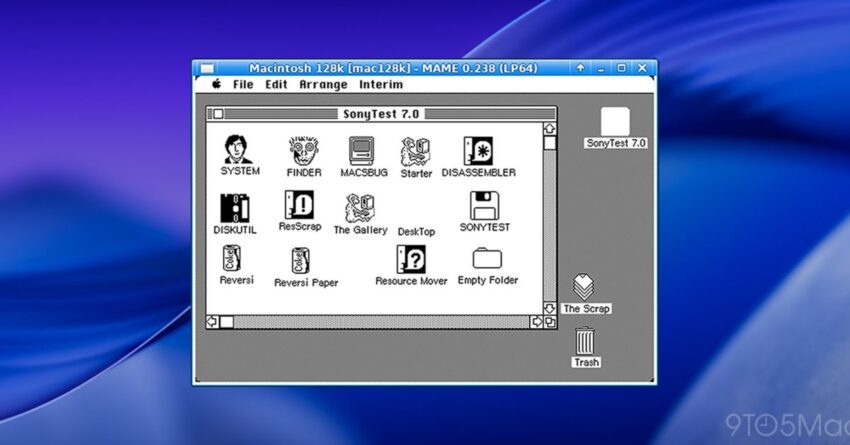
the virtual os museum is a fantastic The Virtual OS Museum offers a unique opportunity to experience the various operating systems developed by Apple and NeXT over the past four decades.
the virtual os museum is a fantastic
Introduction to The Virtual OS Museum
The Virtual OS Museum is an innovative project that allows users to explore and interact with a range of historical operating systems, including Mac OS, A/UX, and NeXTSTEP. This initiative is particularly appealing to technology enthusiasts, historians, and anyone curious about the evolution of computing interfaces. By providing a platform to run these systems in a virtual environment, the museum not only preserves the legacy of these operating systems but also educates users about their significance in the tech landscape.
Historical Context of Apple and NeXT Operating Systems
Apple has been a pioneer in the computing industry since its inception in the late 1970s. The company’s first operating system, Apple DOS, was released in 1978, but it was the introduction of the Macintosh in 1984 that revolutionized personal computing with its graphical user interface (GUI). Over the years, Apple has released numerous versions of Mac OS, each bringing new features and improvements.
NeXT, founded by Steve Jobs after he left Apple in the 1980s, also contributed significantly to the operating system landscape. NeXTSTEP, the operating system developed by NeXT, was known for its advanced features and was the foundation for what would later become macOS. The collaboration between these two entities has shaped the modern computing experience, and The Virtual OS Museum serves as a tribute to this rich history.
Features of The Virtual OS Museum
The Virtual OS Museum stands out due to its user-friendly interface and the breadth of operating systems it offers. Users can run various versions of Mac OS, A/UX, and NeXTSTEP, among others. Here are some of the key features:
- Interactive Experience: Users can not only view but also interact with the operating systems, allowing them to experience the unique functionalities and interfaces firsthand.
- Historical Documentation: Each operating system is accompanied by detailed documentation that provides context about its development, features, and impact on the industry.
- Accessibility: The museum is designed to be accessible to a wide audience, from tech-savvy individuals to those with little prior knowledge of these systems.
- Community Engagement: The platform encourages community interaction, allowing users to share their experiences and insights about the various operating systems.
Operating Systems Available
The Virtual OS Museum features a diverse collection of operating systems, each with its own unique characteristics and historical significance. Below are some of the notable systems available for exploration:
Mac OS
Mac OS has undergone numerous transformations since its initial release. The museum includes several versions, from the classic Mac OS 1.0 to the more modern iterations. Users can experience the evolution of the interface, from the simple desktop of the early versions to the more sophisticated designs of later releases.
A/UX
A/UX was Apple’s attempt to bring a UNIX-based operating system to Macintosh users. Released in the late 1980s, A/UX offered a unique blend of UNIX functionality with the Macintosh GUI. The Virtual OS Museum allows users to explore this hybrid operating system, providing insights into its capabilities and the challenges it faced during its brief existence.
NeXTSTEP
NeXTSTEP is another significant operating system featured in the museum. Known for its advanced features and development environment, NeXTSTEP played a crucial role in the evolution of software development. Users can interact with its unique interface and understand how it laid the groundwork for modern macOS.
Implications of The Virtual OS Museum
The Virtual OS Museum serves several important purposes in today’s technology landscape. Firstly, it acts as a digital archive, preserving the legacy of operating systems that have shaped the computing experience. As technology continues to evolve at a rapid pace, many older systems risk being forgotten. This museum ensures that they remain accessible and relevant.
Secondly, it provides a platform for education. By allowing users to experience these operating systems firsthand, the museum fosters a deeper understanding of their functionalities and historical significance. This educational aspect is particularly valuable for students and young professionals entering the tech industry, as it provides them with a historical context that can inform their future work.
Stakeholder Reactions
The launch of The Virtual OS Museum has garnered positive feedback from various stakeholders in the tech community. Historians, educators, and technology enthusiasts have praised the initiative for its commitment to preserving the history of computing. Many see it as a valuable resource for teaching and learning about the evolution of technology.
In particular, educators have highlighted the potential of the museum as a teaching tool. By integrating the museum into their curricula, teachers can provide students with a hands-on learning experience that enhances their understanding of operating systems and their development over time.
Future Developments
As The Virtual OS Museum continues to grow, there are plans to expand its offerings. Future developments may include the addition of more operating systems, user-generated content, and enhanced interactive features. The team behind the museum is committed to keeping the platform updated and relevant, ensuring that it remains a valuable resource for years to come.
Conclusion
The Virtual OS Museum is a remarkable project that not only preserves the history of Apple and NeXT operating systems but also provides an engaging platform for users to explore and learn. By allowing individuals to interact with these historical systems, the museum fosters a deeper appreciation for the evolution of technology and its impact on our lives. As the tech landscape continues to evolve, initiatives like The Virtual OS Museum play a crucial role in ensuring that the past is not forgotten.
Source: Original report
Was this helpful?
Explore more: More General Technology Tech News Blog
Last Modified: May 26, 2026 at 1:37 pm
8 views