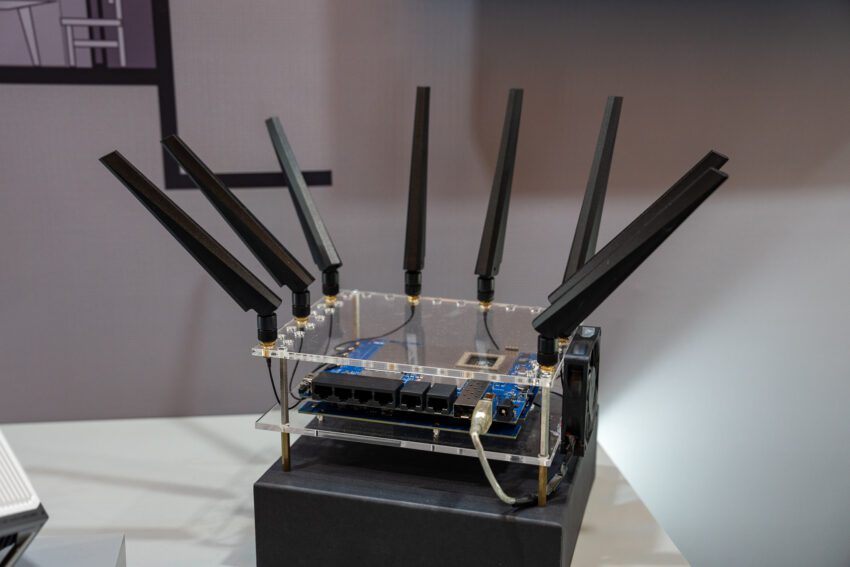
the us government just banned consumer routers The Federal Communications Commission (FCC) has implemented a ban on the importation of consumer routers manufactured outside the United States, citing national security concerns.
the us government just banned consumer routers
Background of the Ban
In December 2022, the FCC took significant steps to bolster national security by prohibiting the importation of foreign-made drones unless the manufacturers obtain specific exemptions. This move was part of a broader strategy to mitigate risks associated with foreign technology that could potentially compromise U.S. security. Following this precedent, the FCC has now extended similar restrictions to consumer networking equipment, including routers.
The FCC’s decision to ban foreign-made consumer routers stems from concerns that these devices could be exploited for espionage or cyberattacks. The agency stated that the risks posed by these devices were “unacceptable” and emphasized the need to safeguard the safety and security of U.S. citizens. The ban reflects growing apprehensions regarding foreign influence in critical technology sectors, particularly those that facilitate communication and data transfer.
Details of the Ban
The FCC’s ruling applies to all future imports of consumer routers manufactured in foreign countries. However, there are exceptions for devices that have already received FCC radio authorization. This means that consumers can continue to use existing routers, and companies that have previously secured approval for specific foreign-made products can still import those items. The ruling does not retroactively affect devices already in use, but it does signal a significant shift in how the U.S. government views foreign technology.
Scope of the Ban
The ban encompasses a wide range of consumer networking gear, including:
- Wi-Fi routers
- Wired routers
- Mesh networking systems
- Access points
As a result, consumers may find it increasingly difficult to purchase new routers from international manufacturers. This could lead to a shift in the market dynamics, favoring domestic manufacturers and potentially increasing the cost of consumer networking equipment.
Implications for Consumers and Businesses
The FCC’s ban on foreign-made routers raises several important implications for both consumers and businesses. As the demand for reliable and secure networking equipment continues to grow, the restrictions may lead to a limited selection of products available in the U.S. market.
Impact on Consumer Choices
Consumers may experience a reduction in the variety of routers available for purchase. Many popular brands that manufacture routers overseas could be affected by this ban, limiting options for consumers who rely on these devices for home and business networking. This could lead to higher prices as domestic manufacturers may not be able to meet the same level of competition as their foreign counterparts.
Potential Market Shifts
With the ban in place, domestic manufacturers may see an opportunity to fill the gap left by foreign companies. This could lead to increased investment in U.S.-based technology firms that specialize in networking equipment. However, the transition may not be seamless. Domestic manufacturers will need to ramp up production capabilities and innovate to meet consumer demands effectively.
Stakeholder Reactions
The FCC’s decision has garnered mixed reactions from various stakeholders, including technology companies, consumer advocacy groups, and cybersecurity experts.
Industry Response
Technology companies that rely on foreign manufacturing for their products have expressed concern over the ban. Many argue that the restrictions could stifle innovation and limit access to advanced technologies that are often developed outside the U.S. Some industry leaders have called for a more nuanced approach that balances national security with the need for competitive technology markets.
Consumer Advocacy Groups
Consumer advocacy groups have voiced their concerns regarding the potential impact on prices and availability of networking equipment. Many fear that the ban could lead to monopolistic practices among domestic manufacturers, resulting in higher costs for consumers. These groups are urging the FCC to consider the long-term implications of the ban on consumer choice and affordability.
Cybersecurity Experts
Cybersecurity experts have largely supported the FCC’s decision, citing the risks associated with foreign-made devices. They argue that the potential for espionage and data breaches necessitates stringent measures to protect U.S. citizens and infrastructure. However, some experts caution that the focus should not solely be on the country of origin but also on the security practices of manufacturers, regardless of their location.
Future of Networking Equipment in the U.S.
The FCC’s ban on foreign-made routers marks a significant shift in the landscape of consumer networking equipment in the United States. As the government prioritizes national security, the implications of this decision will likely reverberate throughout the technology sector.
Innovation and Development
In the wake of the ban, domestic manufacturers may be incentivized to invest in research and development to create competitive products. This could lead to innovations in networking technology, including advancements in speed, security, and connectivity. However, the timeline for these developments remains uncertain, as companies will need to navigate the complexities of ramping up production and meeting consumer demands.
Long-Term Consequences
The long-term consequences of the FCC’s ban on foreign-made routers could reshape the technology landscape in the U.S. market. If domestic manufacturers can successfully fill the void left by foreign companies, it may lead to a more self-sufficient technology sector. However, if they fail to meet consumer expectations, the ban could result in frustration and dissatisfaction among users.
Conclusion
The FCC’s decision to ban foreign-made consumer routers highlights the growing concerns surrounding national security and foreign influence in technology. While the ban aims to protect U.S. citizens and infrastructure, it also raises questions about consumer choice, market dynamics, and the future of networking equipment in the United States. As the technology landscape evolves, stakeholders will need to navigate the challenges and opportunities presented by this significant regulatory change.
Source: Original report
Was this helpful?
Last Modified: March 24, 2026 at 3:38 pm
8 views