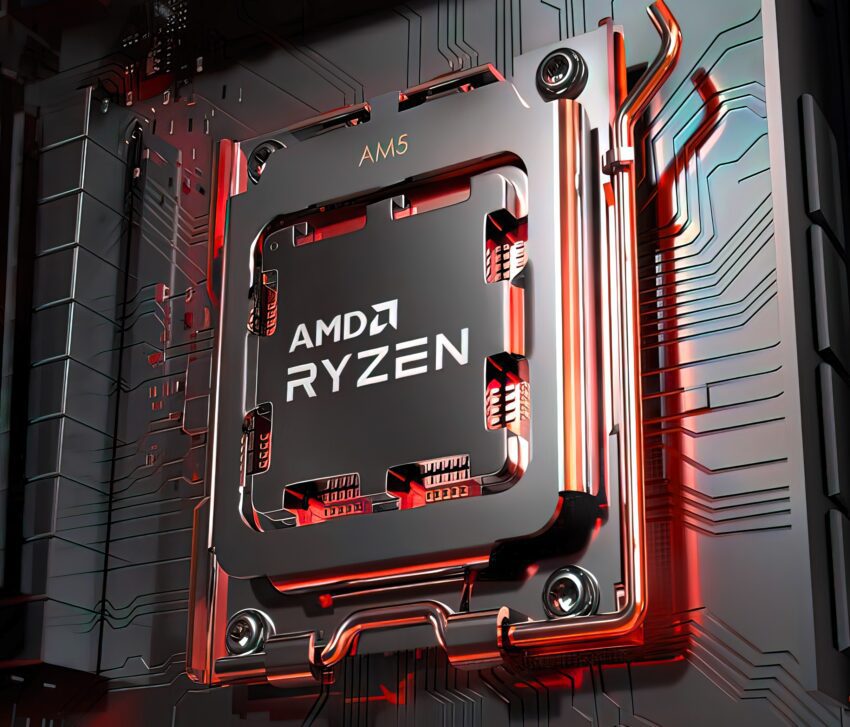
the two things amd subtly revealed at AMD made significant announcements at CES 2026 that could reshape the landscape for mobile computing and gaming performance.
the two things amd subtly revealed at
Overview of CES 2026
The Consumer Electronics Show (CES) 2026, held in Las Vegas, has historically been a platform for major technology announcements. However, this year’s event has been met with mixed reviews, particularly from the gaming community. While several innovative gamepads were showcased, the absence of new handheld devices and desktop GPUs from major players like Nvidia, Intel, and AMD left many gamers feeling disappointed. The sentiment was echoed by various tech commentators, including Gamers Nexus, who lamented that “AMD failed us” in terms of consumer-focused announcements.
AMD’s Subtle Revelations
Despite the overall lackluster offerings at CES, AMD made two noteworthy announcements that could have significant implications for the future of mobile computing and gaming. These revelations, while not heavily publicized, indicate a strategic shift that could benefit both consumers and the company in the long run.
Socketed Mobile Chips
One of the most exciting developments from AMD at CES 2026 is the announcement regarding socketed mobile chips. This marks a return to a design philosophy that many in the tech community had hoped for. Historically, mobile processors have been soldered directly onto motherboards, limiting upgradeability and customization options for users. By reintroducing socketed mobile chips, AMD is opening the door for consumers to upgrade their devices more easily, enhancing longevity and performance.
This move aligns with a growing trend among tech enthusiasts who prefer modularity and the ability to customize their devices. Socketed chips allow for easier replacements and upgrades, which can significantly extend the lifespan of laptops and other mobile devices. For gamers and professionals who rely on high-performance computing, this is a game-changer.
Implications of Socketed Chips
The implications of this announcement are profound. For one, it could lead to a more sustainable approach to technology consumption. With the ability to upgrade components rather than replace entire devices, consumers may feel less pressure to frequently purchase new laptops. This could contribute to reduced electronic waste, a growing concern in today’s environmentally conscious society.
Moreover, the introduction of socketed mobile chips could stimulate competition in the market. Intel, which has dominated the mobile chip space, may need to reconsider its strategy in light of AMD’s new offering. If AMD can successfully market its socketed chips as a superior option, it could capture a significant share of the mobile computing market.
Strix Halo Silicon Pricing
In addition to the announcement about socketed mobile chips, AMD also revealed its strategy to lower the price of its Strix Halo silicon. This move is seen as a direct response to Intel’s pricing strategies and aims to make high-performance computing more accessible to a broader audience.
Understanding Strix Halo Silicon
The Strix Halo is AMD’s flagship silicon designed for high-performance laptops and gaming devices. It has garnered attention for its impressive capabilities, including enhanced graphics performance and energy efficiency. However, the high price point has been a barrier for many potential consumers. By lowering the price, AMD aims to democratize access to high-performance computing, allowing more users to benefit from advanced technology.
Market Reactions and Implications
The market reaction to AMD’s pricing strategy has been largely positive. Analysts believe that this move could disrupt the current pricing landscape, forcing competitors to reconsider their own pricing strategies. If AMD can successfully position the Strix Halo as a cost-effective alternative to Intel’s offerings, it could lead to increased sales and market share.
Furthermore, this pricing strategy could have implications for the gaming community. As more gamers seek affordable yet powerful hardware, AMD’s lower-priced Strix Halo could become the go-to choice for budget-conscious consumers. This could lead to a more competitive gaming environment, where performance is not solely dictated by price.
Consumer Sentiment and Future Prospects
While AMD’s announcements at CES 2026 have generated excitement among certain segments of the tech community, consumer sentiment remains mixed. Many gamers and tech enthusiasts were hoping for more comprehensive updates regarding new products and innovations. The absence of new desktop GPUs and handheld devices has left some feeling disillusioned.
However, the potential benefits of socketed mobile chips and lower-priced Strix Halo silicon cannot be overlooked. As consumers become increasingly aware of the advantages of modularity and affordability, AMD’s strategic decisions may resonate more strongly in the coming months. The company’s ability to adapt to consumer needs and market dynamics will be crucial as it navigates an ever-evolving landscape.
Conclusion
In summary, while CES 2026 may not have met the expectations of gamers and tech enthusiasts, AMD’s announcements regarding socketed mobile chips and the pricing strategy for Strix Halo silicon represent significant developments in the tech industry. These moves could reshape the future of mobile computing and gaming, offering consumers more options and greater accessibility to high-performance technology. As AMD continues to innovate and respond to market demands, it will be interesting to see how these changes impact the competitive landscape and consumer behavior in the months ahead.
Source: Original report
Was this helpful?
Explore more: More Hardware & Devices Tech News Blog
Last Modified: January 17, 2026 at 9:44 am
12 views