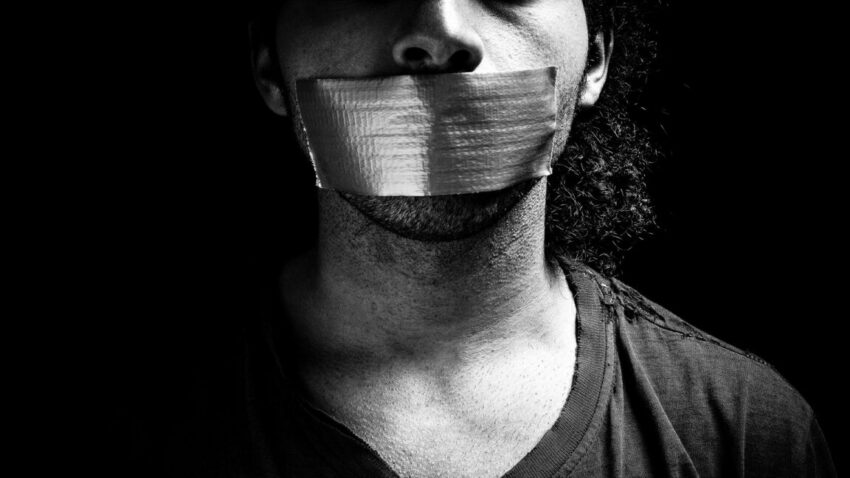
the science of how and when we Recent research sheds light on the complex interplay between the desire to express oneself and the instinct to self-censor in the face of potential repercussions.
the science of how and when we
Understanding Freedom of Speech and Self-Censorship
Freedom of speech is often heralded as a cornerstone of democratic societies. It allows individuals to express their thoughts, opinions, and dissenting views without fear of retribution. However, this fundamental right is frequently under threat from authoritarian regimes that seek to suppress dissent and control public discourse. The dynamics of how individuals navigate their right to speak out versus the fear of punishment are intricate and influenced by various factors, including the political climate, social media dynamics, and technological advancements.
The Role of Authoritarianism
Authoritarian governments typically employ a range of tactics to stifle dissent. These tactics can include censorship, intimidation, and even violence against those who dare to speak out. When the threat from authorities becomes severe, individuals may choose to self-censor, opting to remain silent rather than risk punishment. This self-censorship can manifest in various ways, from avoiding controversial topics in conversation to refraining from posting dissenting opinions on social media platforms.
The implications of self-censorship are profound. When individuals feel compelled to silence themselves, the overall discourse within society becomes stifled. This can lead to a homogenization of opinions, where only the views that align with those in power are expressed and heard. Over time, this can create an environment where dissent becomes increasingly rare, further entrenching authoritarian control.
The Impact of Social Media
Social media has transformed the landscape of communication, blurring the lines between public and private speech. Platforms like Twitter, Facebook, and Instagram provide users with a space to share their thoughts and opinions with a broader audience. However, these platforms also come with their own set of challenges and risks. The potential for backlash or repercussions for expressing dissenting views can lead to increased self-censorship among users.
Moderation Policies and Their Consequences
The moderation policies of social media platforms play a significant role in shaping user behavior. Some platforms have adopted a hands-off approach, allowing users to express themselves freely without much oversight. This can create an environment where individuals feel more comfortable sharing their opinions, but it can also lead to the spread of misinformation and harmful content.
In contrast, other platforms have implemented strict moderation policies that can deter users from speaking out. For instance, Weibo, a popular Chinese social media platform, has been known to release the IP addresses of users who post objectionable content. This practice effectively makes users targets for government scrutiny, leading many to self-censor to avoid potential repercussions.
Research Insights on Self-Censorship
In a recent study published in the Proceedings of the National Academy of Sciences, researchers delved into the nuanced dynamics of how individuals balance their desire to speak out against their fear of punishment. The authors, who have previously collaborated on a model of political polarization, sought to understand the factors that influence self-censorship in the context of evolving social media landscapes.
Methodology and Findings
The researchers employed a combination of theoretical modeling and empirical analysis to explore the conditions under which individuals choose to speak out or self-censor. Their findings indicate that several key factors influence this decision-making process:
- Perceived Threat Level: Individuals are more likely to self-censor when they perceive a high level of threat from authorities. This perception can be shaped by recent events, such as government crackdowns on dissent or high-profile cases of individuals facing repercussions for their speech.
- Social Norms: The prevailing social norms within a community can also impact self-censorship. In environments where dissent is discouraged or punished, individuals may feel pressured to conform to the dominant narrative.
- Platform Dynamics: The specific features and moderation policies of social media platforms can influence user behavior. For example, platforms that prioritize user anonymity may encourage more open expression, while those that require real-name registration may lead to increased self-censorship.
Broader Implications of Self-Censorship
The implications of self-censorship extend beyond individual experiences; they have far-reaching consequences for society as a whole. When large segments of the population choose to remain silent, the diversity of opinions and ideas that are essential for a healthy democracy is diminished. This can lead to a lack of accountability for those in power, as dissenting voices are silenced.
Impact on Political Discourse
Self-censorship can significantly alter the landscape of political discourse. When individuals refrain from expressing their views, it creates an echo chamber where only certain perspectives are amplified. This can hinder constructive debate and limit the ability of citizens to engage critically with political issues. As a result, important conversations about governance, policy, and social justice may be stifled, leading to a less informed electorate.
Potential Solutions and Strategies
Addressing the issue of self-censorship requires a multifaceted approach. Here are some potential strategies that could help foster a more open environment for expression:
- Promoting Anonymity: Encouraging anonymous platforms can provide individuals with the safety they need to express dissenting views without fear of repercussions.
- Strengthening Legal Protections: Governments and organizations should work to strengthen legal protections for free speech, ensuring that individuals can express their opinions without fear of retaliation.
- Encouraging Open Dialogue: Creating spaces for open dialogue and constructive debate can help normalize dissent and reduce the stigma associated with expressing differing opinions.
Conclusion
The balance between the desire to speak out and the instinct to self-censor is a delicate one, influenced by a myriad of factors ranging from political climate to social media dynamics. As research continues to explore these complexities, it is crucial for societies to recognize the importance of fostering an environment where diverse opinions can be expressed freely. Only then can the foundational principle of freedom of speech be upheld, ensuring that democracy remains vibrant and resilient in the face of authoritarian threats.
Source: Original report
Was this helpful?
Explore more: More General Technology Tech News Blog
Last Modified: December 31, 2025 at 8:35 am
13 views