the phone is dead long live what The future of mobile communication is being redefined, with experts predicting the decline of traditional smartphones like the iPhone within the next decade.
the phone is dead long live what
Declining Dominance of Smartphones
In a bold statement, technology analyst Callaghan asserts, “We’re not going to be using iPhones in 10 years. I kind of don’t think we’ll be using them in five years.” This perspective highlights a growing sentiment among industry experts that the smartphone, as we know it, is on the verge of obsolescence. The rapid evolution of technology, coupled with changing consumer preferences, suggests that the devices we rely on today may soon be replaced by more advanced alternatives.
Technological Advancements
The smartphone has been a cornerstone of personal communication and connectivity since the early 2000s. However, advancements in technology are paving the way for new forms of interaction. Innovations in augmented reality (AR), virtual reality (VR), and wearable technology are beginning to reshape how we engage with the digital world.
For instance, AR technology is already being integrated into various applications, allowing users to overlay digital information onto the physical world. Companies like Microsoft and Google are investing heavily in AR glasses, which could provide a hands-free experience that smartphones cannot offer. This shift could lead to a scenario where users interact with their environment through smart glasses rather than handheld devices.
Wearable Technology
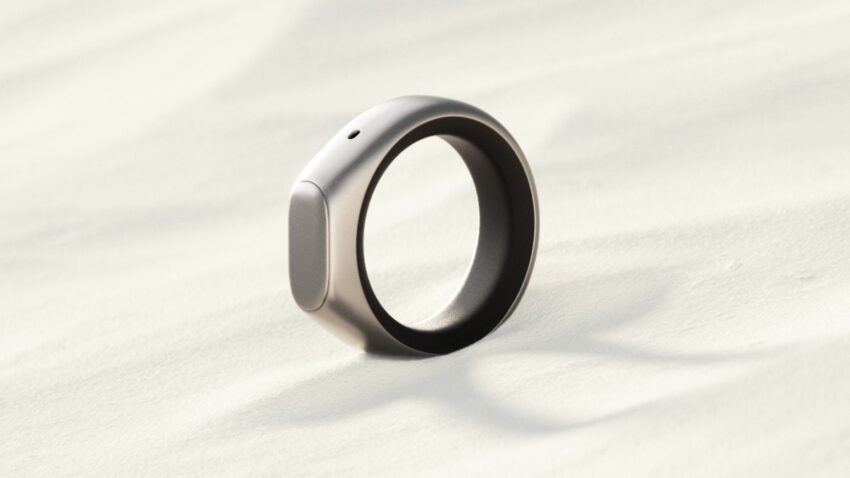
Wearable devices, such as smartwatches and fitness trackers, are also gaining traction. These gadgets are designed to keep users connected while minimizing reliance on smartphones. With features like health monitoring, notifications, and even mobile payments, wearables are becoming increasingly capable. The Apple Watch, for example, has evolved into a powerful device that can perform many functions traditionally associated with smartphones.
As technology continues to advance, the line between smartphones and wearables may blur further. Future iterations of wearable technology could incorporate more sophisticated features, potentially rendering smartphones unnecessary for many users.
Changing Consumer Preferences
Consumer behavior is also shifting, with younger generations demonstrating different preferences regarding technology. The rise of social media platforms and instant messaging apps has changed how people communicate, often favoring quick interactions over lengthy phone calls. This trend suggests that the traditional phone call may become less relevant in the coming years.
Social Media and Instant Messaging
Platforms like TikTok, Snapchat, and WhatsApp have become integral to daily communication for many, especially younger users. These apps prioritize visual content and instant connectivity, often reducing the need for a dedicated smartphone. As these platforms continue to evolve, they may further diminish the role of traditional smartphones in communication.
Privacy and Security Concerns
Another factor contributing to the potential decline of smartphones is growing concern over privacy and security. High-profile data breaches and increasing scrutiny of tech companies have led many consumers to reconsider their reliance on smartphones. The desire for more secure communication methods may drive users toward alternatives that prioritize privacy, such as encrypted messaging services or decentralized communication platforms.
The Role of Artificial Intelligence
Artificial intelligence (AI) is poised to play a significant role in the future of communication technology. As AI becomes more integrated into our daily lives, it could lead to the development of smarter, more intuitive devices that surpass the capabilities of current smartphones.
AI-Powered Communication
AI-driven virtual assistants, such as Apple’s Siri and Amazon’s Alexa, are already changing how we interact with technology. These assistants can perform tasks, answer questions, and even engage in conversations, reducing the need for traditional phone interfaces. As AI continues to evolve, we may see the emergence of devices that rely on voice commands and natural language processing, further diminishing the relevance of smartphones.
Smart Home Integration
The integration of smart home technology is another area where AI is making significant strides. As homes become increasingly connected, the need for a smartphone to control various devices may decrease. Users could interact with their smart home systems through voice commands or other interfaces, making the smartphone less central to daily life.
Implications for the Tech Industry
The potential decline of smartphones has significant implications for the tech industry. Companies that have built their business models around smartphone sales may need to adapt to a changing landscape. This shift could lead to increased competition among tech firms as they vie for dominance in emerging markets such as AR, VR, and wearable technology.
Market Adaptation
Major players in the tech industry, including Apple, Google, and Samsung, are already investing in alternative technologies. Apple, for instance, has been developing AR capabilities and exploring the potential of smart glasses. Similarly, Google has made strides in wearable technology with its Fitbit acquisition and ongoing development of AR solutions.
As these companies pivot their strategies, we may see a redefinition of what constitutes a “smart” device. The focus may shift from smartphones to a more diverse ecosystem of interconnected devices that cater to various consumer needs.
New Entrants and Startups
The decline of smartphones may also create opportunities for new entrants and startups to disrupt the market. Innovative companies focusing on niche technologies, such as decentralized communication platforms or advanced wearables, could emerge as significant players in the tech landscape. This shift could foster a more dynamic and competitive environment, driving further innovation.
Stakeholder Reactions
The prospect of a post-smartphone world has elicited varied reactions from stakeholders across the tech industry. While some embrace the change, others express skepticism about the feasibility of such a transition.
Industry Experts
Many industry experts share Callaghan’s view that smartphones may soon be outdated. They argue that the rapid pace of technological advancement necessitates a reevaluation of how we interact with devices. However, some experts caution against underestimating the resilience of smartphones, noting that they have continually adapted to meet consumer demands over the years.
Consumer Sentiment
Consumer sentiment is also mixed. While younger generations may be more open to embracing new technologies, older users may be hesitant to abandon their smartphones. The familiarity and convenience of smartphones have made them an integral part of daily life for many, and transitioning to new devices may require a significant cultural shift.
Conclusion
The future of mobile communication is undoubtedly in flux, with the smartphone facing potential obsolescence in the coming years. As technology advances and consumer preferences evolve, we may witness the rise of new devices that redefine how we connect and communicate. While the decline of the smartphone may seem inevitable, the journey toward a post-smartphone world will likely be complex and multifaceted, shaped by innovation, market dynamics, and consumer behavior.
Source: Original report
Was this helpful?
Explore more: More Consumer Technology Tech News Blog
Last Modified: December 31, 2025 at 1:36 pm
35 views