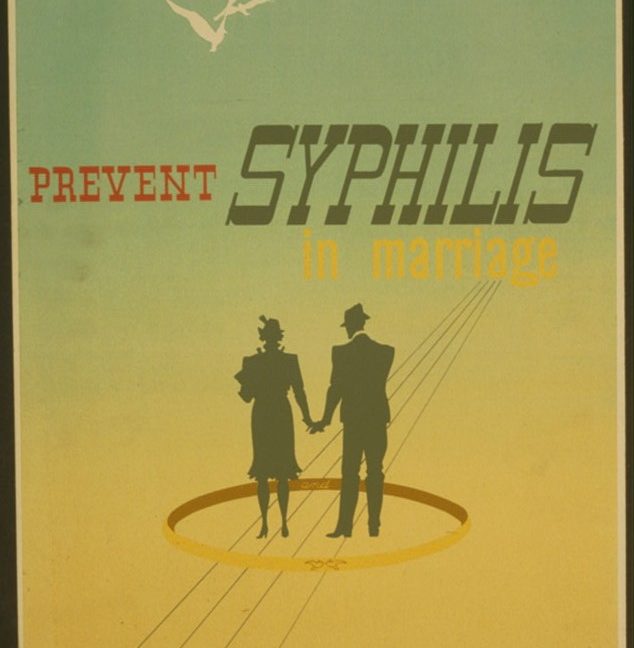
the origin story of syphilis goes back The discovery of a 5,500-year-old Treponema pallidum genome has significantly altered our understanding of the origins of syphilis, suggesting that the disease’s history is far older than previously believed.
the origin story of syphilis goes back
The Historical Context of Syphilis
Syphilis has long been a subject of intrigue and concern, particularly due to its devastating impact on populations throughout history. The narrative commonly accepted by historians and medical professionals traces the disease’s introduction to Europe back to the late 15th century, specifically during the French occupation of Naples in 1495. This event marked what is often referred to as the “Great Pox,” a term used to describe the widespread outbreak of syphilis that swept through Europe, leading to an estimated 5 million deaths.
At the time, King Charles VIII of France led an army of nearly 20,000 mercenaries, which included a diverse mix of soldiers from various European nations such as France, Switzerland, Poland, and Spain. This melting pot of cultures and backgrounds created a unique environment that facilitated the rapid spread of the disease. The chaotic conditions of war, combined with the soldiers’ lifestyle, contributed to the transmission of syphilis among troops and subsequently to the local population.
The Role of Charles VIII
Charles VIII himself was not known for his moral rectitude. Chroniclers like Johannes Burckard documented his “fondness of copulation,” noting that once he had been with a woman, he would quickly move on to another partner. This behavior was not isolated to the king; it was mirrored by many of his soldiers, who engaged in similar practices. The combination of military occupation, promiscuity, and the close quarters of the army created a fertile ground for the spread of sexually transmitted infections.
Revisiting the Origins of Syphilis
For centuries, the siege of Naples has been viewed as the pivotal moment when syphilis entered European consciousness. However, recent research led by anthropologist Elizabeth Nelson and her colleagues challenges this narrative. Their groundbreaking discovery of an ancient Treponema pallidum genome from a 5,500-year-old individual excavated from a rock shelter in Colombia suggests that the lineage of bacteria responsible for syphilis and related diseases has a much deeper evolutionary history.
This finding implies that pathogens causing treponemal diseases, which include syphilis, bejel, and yaws, have existed for millennia, predating the European outbreak by thousands of years. The implications of this research are profound, as they prompt a reevaluation of how we understand the origins and evolution of syphilis.
Understanding Treponema Pallidum
Treponema pallidum is a spirochete bacterium that is the causative agent of syphilis. It belongs to a larger family of Treponema bacteria that can cause various diseases, including yaws and pinta. The evolutionary history of these bacteria is complex, and the recent genomic analysis has shed light on their long-standing presence in human populations.
The genome discovered in Colombia indicates that Treponema pallidum has been affecting humans for thousands of years, suggesting that the disease may have been present in pre-Columbian societies long before it was documented in Europe. This raises questions about the transmission pathways of the disease and its potential impact on ancient populations.
The Implications of the Discovery
The discovery of the ancient Treponema pallidum genome not only alters the timeline of syphilis but also has broader implications for our understanding of infectious diseases. It highlights the importance of considering historical and archaeological evidence when studying the evolution of pathogens. The findings suggest that syphilis and its related diseases may have been endemic in various regions long before they became associated with European colonialism and exploration.
Reevaluating Historical Narratives
This new understanding challenges the long-held belief that syphilis was a “New World” disease introduced to Europe through contact with indigenous populations. Instead, it suggests that the disease may have ancient roots that extend beyond the European context. This reevaluation of historical narratives is crucial for understanding the complexities of disease transmission and the socio-cultural factors that influence public health.
Stakeholder Reactions
The academic community has responded with interest and caution to the findings presented by Nelson and her team. Many researchers in the fields of anthropology, history, and medicine are eager to explore the implications of this discovery further. Some experts caution against jumping to conclusions, emphasizing the need for additional research to fully understand the evolutionary history of Treponema pallidum and its impact on human health.
Public health officials are also taking note of the findings. Understanding the historical context of syphilis can inform current strategies for prevention and treatment. By recognizing that syphilis has a long history, public health campaigns can be tailored to address the stigma and misconceptions surrounding the disease, which have persisted for centuries.
Future Research Directions
The discovery of the ancient genome opens up new avenues for research. Scientists are now tasked with investigating the genetic diversity of Treponema pallidum across different populations and time periods. This research could provide insights into how the bacterium has evolved in response to human behavior, environmental changes, and medical interventions over time.
Additionally, researchers may explore the potential connections between ancient populations and modern strains of Treponema pallidum. Understanding these relationships could shed light on the mechanisms of disease transmission and the factors that contribute to outbreaks in contemporary settings.
Conclusion
The recent findings regarding the ancient Treponema pallidum genome have significantly reshaped our understanding of syphilis and its origins. By pushing back the timeline of the disease’s history, researchers are challenging long-standing narratives and prompting a reevaluation of how we view infectious diseases in a historical context. As the academic community continues to investigate these implications, it is clear that the story of syphilis is far more complex than previously thought, with roots that extend deep into human history.
Source: Original report
Was this helpful?
Explore more: More General Technology Tech News Blog
Last Modified: January 29, 2026 at 1:43 am
13 views