the newest ai boom pitch host a SPAN, a San Francisco startup, is pioneering a novel approach to data centers by proposing the installation of mini data centers in residential neighborhoods, offering homeowners subsidized electricity and Internet access.
the newest ai boom pitch host a
Overview of the Initiative
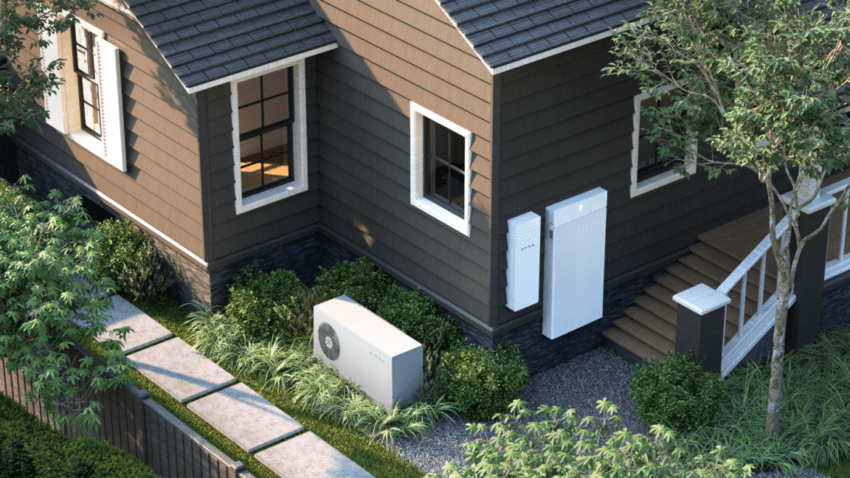
The concept of hosting mini data centers in residential areas is gaining traction as SPAN embarks on pilot testing for its “distributed data center solution.” This initiative aims to deploy thousands of XFRA nodes, which are equipped with liquid-cooled Nvidia RTX Pro 6000 Blackwell Server Edition GPUs. These nodes are designed to operate with minimal noise, making them suitable for residential environments. The pilot program is set to begin with a trial run involving 100 homes later this year.
Technology Behind the Mini Data Centers
XFRA Nodes
The XFRA nodes are central to SPAN’s strategy. Each node is engineered to maximize computing power while minimizing the physical footprint and noise typically associated with traditional data centers. The use of liquid cooling technology allows for efficient thermal management, which is crucial for high-performance GPUs like the Nvidia RTX Pro 6000. This technology not only enhances performance but also reduces energy consumption, making the nodes more sustainable.
Benefits of Liquid Cooling
Liquid cooling is becoming increasingly popular in data center design due to its efficiency. Unlike air cooling, which relies on fans and can be less effective at dissipating heat, liquid cooling systems can maintain optimal operating temperatures with less energy. This is particularly important for AI workloads, which can generate significant heat due to their intensive processing requirements. By implementing liquid cooling, SPAN aims to create a more environmentally friendly solution that aligns with growing concerns about energy consumption and climate change.
Community Impact and Benefits
One of the most compelling aspects of SPAN’s proposal is its potential to benefit local communities. By hosting mini data centers, homeowners could receive several advantages:
- Subsidized Electricity: Homeowners may see a reduction in their electricity bills as a result of the energy generated and managed by the mini data centers.
- Enhanced Internet Access: The initiative could improve Internet connectivity in neighborhoods, particularly in areas where access is limited or unreliable.
- Backup Power Solutions: The integration of backup batteries would provide homeowners with a reliable power source during outages, enhancing energy resilience.
Addressing Local Concerns
Data centers have often been criticized for their environmental impact, noise pollution, and aesthetic concerns. Chris Lander, vice president of XFRA at SPAN, emphasized these issues in a recent correspondence. He noted, “Data centers are loud, ugly, and often drive up local electricity bills.” In contrast, the mini data centers proposed by SPAN are designed to be “quiet, discreet, and make energy more affordable for the host and community.” This approach aims to alleviate some of the common objections associated with traditional data centers.
Market Context and Demand for AI Computing Power
The demand for AI computing power is surging, driven by advancements in machine learning, data analytics, and various AI applications. As businesses and researchers increasingly rely on AI for decision-making and innovation, the need for scalable and efficient computing resources becomes critical. Traditional data centers, which require significant capital investment and time to build, may not be able to keep pace with this rapidly growing demand.
Challenges of Traditional Data Centers
Building large-scale data centers presents several challenges:
- High Costs: The capital required to construct and maintain a data center can be prohibitive, especially for startups and smaller companies.
- Long Lead Times: The process of site selection, construction, and commissioning can take years, delaying access to necessary computing resources.
- Environmental Concerns: Large data centers consume vast amounts of energy, contributing to carbon emissions and raising concerns about sustainability.
SPAN’s distributed data center model seeks to address these challenges by leveraging existing residential infrastructure, thereby reducing costs and lead times while promoting sustainability.
Potential for Expansion and Scalability
The pilot program’s success could pave the way for broader adoption of mini data centers in residential areas. If the initial trial proves effective, SPAN could expand its operations to include thousands of homes across various regions. This scalability is a significant advantage, as it allows for rapid deployment in response to increasing demand for AI computing power.
Future Implications for Homeowners
As the initiative gains traction, homeowners could find themselves at the forefront of a technological revolution. The prospect of hosting a mini data center could transform the way individuals interact with technology and energy consumption. Homeowners may become active participants in the digital economy, contributing to AI workloads while benefiting from reduced energy costs and improved connectivity.
Stakeholder Reactions
The response to SPAN’s proposal has been mixed, reflecting a range of perspectives from various stakeholders:
- Homeowners: Many homeowners are intrigued by the potential benefits, particularly the prospect of lower electricity bills and enhanced Internet access. However, concerns about privacy and the implications of hosting data centers in residential neighborhoods remain.
- Local Governments: Municipalities may view the initiative as an opportunity to boost local economies and improve infrastructure. However, they will need to consider zoning regulations and community impact.
- Environmental Advocates: While some environmentalists may support the initiative for its potential to reduce energy consumption, others may raise concerns about the overall environmental impact of increased data processing.
Conclusion
SPAN’s innovative approach to mini data centers represents a significant shift in how computing power can be harnessed and distributed. By integrating these facilities into residential neighborhoods, the company aims to address the growing demand for AI computing while providing tangible benefits to homeowners and communities. As the pilot program unfolds, it will be crucial to monitor its impact on local economies, energy consumption, and community dynamics. The success of this initiative could redefine the future of data centers and their role in our daily lives.
Source: Original report
Was this helpful?
Explore more: DevOps Services More Cloud & DevOps Tech News
Last Modified: May 13, 2026 at 11:35 am
19 views