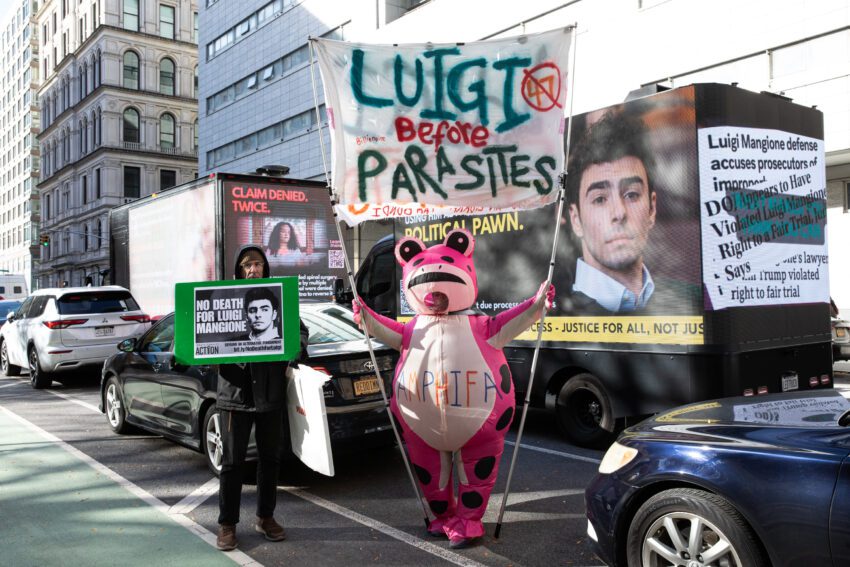
the luigi mangione trial is all about In a high-profile trial that has captured public attention, the courtroom proceedings against Luigi Mangione, accused of murdering UnitedHealthcare CEO Brian Thompson, are unfolding with significant implications for narrative control in media and public perception.
the luigi mangione trial is all about
Background of the Case
The trial of Luigi Mangione has emerged as a focal point for discussions surrounding healthcare, corporate governance, and the influence of media narratives. Thompson was shot and killed a year ago, a tragic event that sent shockwaves through the healthcare industry and beyond. As the CEO of UnitedHealthcare, Thompson was a prominent figure whose leadership decisions had far-reaching impacts on millions of lives. His untimely death not only raised questions about the circumstances surrounding the incident but also ignited a broader conversation about the healthcare system in the United States.
Since the incident, the case has garnered extensive media coverage, with various outlets providing updates, analysis, and commentary. The public’s interest has been fueled by the high stakes involved, as well as the dramatic nature of the allegations against Mangione. The courtroom has become a stage for a narrative that intertwines personal tragedy with systemic issues in healthcare, making it a compelling story for both the media and the public.
Public Interest and Courtroom Dynamics
On Monday, the atmosphere outside 100 Centre Street in Lower Manhattan was charged with anticipation. Several dozen members of the public lined up, eager to witness the proceedings against Mangione firsthand. This turnout, while significant, marks a notable decline from earlier court dates, particularly in February when hundreds of spectators filled the courthouse, drawn by the sensational nature of the case.
The decline in public attendance raises questions about the sustainability of interest in the trial. Initially, the case attracted widespread attention, with viral memes and images circulating across social media platforms. However, as the trial progresses, it appears that the initial fervor may be waning. This shift could be attributed to several factors, including the passage of time since the incident, the complexities of the legal proceedings, and the evolving nature of public engagement with high-profile cases.
Media Coverage and Its Implications
The media’s role in shaping public perception cannot be overstated. In the age of information overload, narratives can be constructed and deconstructed at a rapid pace. The coverage of Mangione’s trial has been extensive, with various outlets offering differing perspectives on the events leading up to Thompson’s death and the implications for the healthcare industry. This has led to a multifaceted narrative that encompasses not only the legal aspects of the case but also broader societal issues.
As the trial unfolds, the media’s portrayal of Mangione and the events surrounding the shooting will likely influence public opinion. The framing of the narrative—whether it emphasizes Mangione’s alleged actions, the impact of Thompson’s death on the healthcare sector, or the systemic issues within the industry—will shape how the public perceives the case and its implications.
Stakeholder Reactions
Reactions from various stakeholders have also played a crucial role in the unfolding narrative. Healthcare reform advocates, for instance, have seized upon the case to highlight systemic issues within the industry. A small demonstration organized by the group People Over Profits took place outside the courthouse, emphasizing the need for reform in the healthcare system. Their presence underscores the intersection of the trial with broader societal concerns, illustrating how the case has become a rallying point for those advocating for change.
On the other hand, supporters of Mangione have expressed their views through social media and public forums, arguing for his innocence and questioning the motivations behind the prosecution. This dichotomy of opinions reflects the polarized nature of public sentiment surrounding the case, further complicating the narrative that is being constructed.
The Role of Digital Media
In today’s digital landscape, the trial has also become a subject of discussion on various online platforms. Social media has played a significant role in shaping the narrative, with users sharing their opinions, analyses, and interpretations of the proceedings. This democratization of information allows for a wide range of perspectives to emerge, but it also presents challenges in terms of accuracy and reliability.
The viral nature of content related to the trial has led to the proliferation of memes and commentary that may not always reflect the complexities of the case. While this can engage a broader audience, it also risks oversimplifying the issues at hand. As a result, the narrative surrounding Mangione’s trial is not only being shaped by traditional media but also by the collective input of internet users, creating a multifaceted and often chaotic discourse.
Legal Proceedings and Their Complexity
The legal proceedings against Mangione are intricate, involving various legal arguments, witness testimonies, and expert analyses. As the trial progresses, the prosecution and defense will present their cases, each aiming to construct a compelling narrative that resonates with the jury and the public. The outcome of the trial will hinge on the effectiveness of these narratives, as well as the evidence presented in court.
Witness testimonies will play a crucial role in shaping the narrative. The prosecution will likely focus on establishing a clear motive and demonstrating Mangione’s culpability, while the defense will aim to cast doubt on the prosecution’s claims and highlight any inconsistencies in the evidence. This battle of narratives will unfold in real-time, with each side seeking to sway public opinion in their favor.
Implications for Healthcare and Corporate Governance
The implications of the trial extend beyond the immediate legal context. The case raises important questions about corporate governance, accountability, and the ethical responsibilities of leaders in the healthcare industry. Thompson’s role as CEO of UnitedHealthcare places the trial at the intersection of personal accountability and corporate responsibility, prompting discussions about the broader implications of leadership decisions in the healthcare sector.
As the trial continues, stakeholders in the healthcare industry will be closely monitoring the proceedings. The outcome could influence public trust in healthcare institutions and leadership, potentially leading to calls for increased transparency and accountability. Furthermore, the case may serve as a catalyst for discussions about the need for reform in the healthcare system, as advocates seek to address the systemic issues that have been highlighted by this tragic event.
Conclusion
The trial of Luigi Mangione is not merely a legal proceeding; it is a complex interplay of narratives that reflect broader societal concerns. As the courtroom drama unfolds, the stakes are high not only for Mangione and the Thompson family but also for the healthcare industry and public perception. The evolving narrative will continue to shape discussions about accountability, corporate governance, and the need for reform in a system that affects millions of lives.
As the public and media engage with the trial, the implications of the case will resonate far beyond the courtroom, influencing perceptions and potentially driving change in the healthcare landscape. The outcome remains uncertain, but the narrative control exercised by various stakeholders will undoubtedly play a pivotal role in shaping the legacy of this high-profile trial.
Source: Original report
Was this helpful?
Last Modified: December 5, 2025 at 11:40 pm
0 views