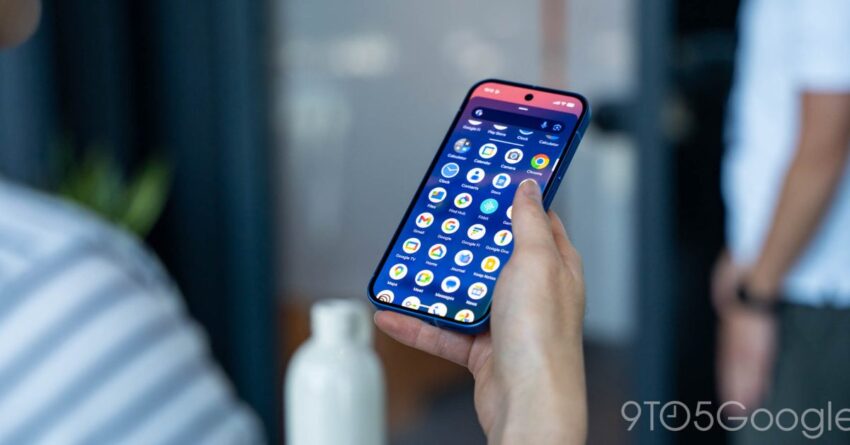
the google app is intentionally replacing pixel Google has made a significant change to the Pixel Launcher search functionality, opting to redirect users to the Google app instead of utilizing the traditional search bar interface.
the google app is intentionally replacing pixel
Overview of the Change
In recent days, users of Google’s Pixel devices have noticed a shift in how the search feature operates. When tapping the Pixel Launcher search bar, instead of the familiar search interface, users are now directed to a new screen powered by the Google app. This alteration is not a glitch but a deliberate modification aimed at enhancing user experience.
Understanding the Pixel Launcher
The Pixel Launcher has been a cornerstone of the user interface on Google’s Pixel smartphones since their inception. It provides a streamlined way for users to access apps, notifications, and search functionalities. The search bar, located at the top of the home screen, has traditionally allowed users to perform quick searches, access Google Assistant, and explore various features of their devices.
Previous Functionality
Previously, when users tapped the search bar, they were presented with a straightforward search interface that allowed for immediate access to web results, app suggestions, and other personalized content. This functionality was integrated within the Pixel Launcher, providing a seamless experience that kept users within the confines of the device’s interface.
New Functionality with the Google App
The recent update redirects users to a new screen powered by the Google app, which offers a more comprehensive search experience. This change is designed to leverage the full capabilities of the Google app, including enhanced search algorithms, personalized recommendations, and access to a broader range of content.
Implications of the Change
This shift has several implications for Pixel users and the broader Android ecosystem. By integrating the search functionality more closely with the Google app, Google aims to provide a richer and more engaging user experience. However, it also raises questions about user control and the accessibility of features that were previously available directly through the Pixel Launcher.
Enhanced Search Capabilities
One of the primary advantages of this change is the enhanced search capabilities that the Google app offers. Users can now benefit from:
- Improved Search Algorithms: The Google app utilizes advanced machine learning algorithms to provide more relevant search results based on user behavior and preferences.
- Personalized Recommendations: The app can offer tailored suggestions, making it easier for users to discover new content, apps, and features that align with their interests.
- Access to Google Services: Users can seamlessly access other Google services, such as Google News, Google Assistant, and Google Photos, all from within the app.
User Experience Considerations
While the enhanced capabilities are a positive development, some users may find the change disruptive. The previous integration allowed for quick searches without needing to navigate away from the home screen. The new setup may require additional steps, which could frustrate users accustomed to the old functionality.
Stakeholder Reactions
The response from the user community has been mixed. Some users appreciate the improved search functionality and the integration of the Google app, while others express dissatisfaction with the perceived loss of simplicity in the Pixel Launcher interface.
User Feedback
Feedback from Pixel users on forums and social media platforms indicates a divide in opinion:
- Support for the Change: Many users have welcomed the update, noting that the Google app provides a more robust search experience. They appreciate the personalized recommendations and the ability to access a wider range of content.
- Criticism of the Change: Conversely, some users have criticized the change as unnecessary, arguing that the previous search functionality was sufficient for their needs. They express concerns about the additional steps required to access search results.
Developer Perspective
From a developer’s standpoint, this change aligns with Google’s broader strategy to unify its services under the Google app umbrella. By encouraging users to engage more with the app, Google can gather more data on user preferences, which can be leveraged to improve services further.
Contextualizing the Change within Google’s Ecosystem
This update is part of a larger trend within Google’s ecosystem, where the company is increasingly focusing on integrating its various services. The Google app has evolved significantly over the years, transitioning from a simple search tool to a comprehensive platform that encompasses news, personalized content, and various Google services.
Historical Perspective
Historically, Google has made several changes to its user interfaces and services to enhance user engagement. The introduction of features like Google Assistant and the integration of machine learning into search algorithms have all aimed to create a more cohesive and user-friendly experience.
Future Implications
Looking ahead, this change could set a precedent for how Google approaches user interfaces across its devices. As the company continues to refine its services, users can expect more integrations that prioritize personalized experiences and seamless access to information.
Conclusion
The decision to replace the Pixel Launcher search functionality with a screen powered by the Google app represents a strategic move by Google to enhance user experience through improved search capabilities. While this change has garnered mixed reactions from users, it aligns with the company’s ongoing efforts to unify its services and provide a more engaging platform. As Google continues to innovate, users will need to adapt to these changes, balancing the benefits of enhanced functionality with the desire for simplicity in their user experience.
Source: Original report
Was this helpful?
Explore more: More Big Tech & Platforms Tech News Blog
Last Modified: December 17, 2025 at 9:54 am
17 views