the golden age of handheld gaming is The landscape of handheld gaming has undergone a significant transformation, with recent price hikes signaling the end of an era.
the golden age of handheld gaming is
The Rise of Handheld Gaming
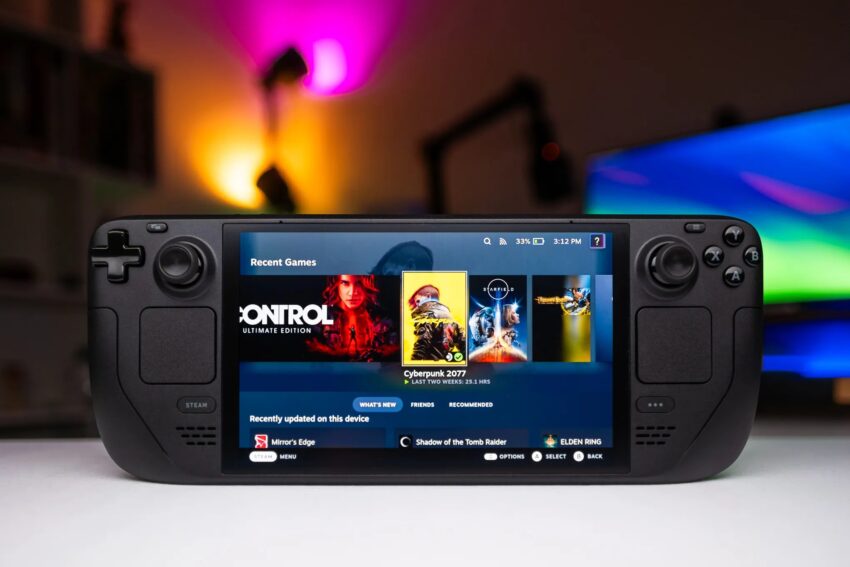
For a few glorious years, handheld gaming flourished, offering gamers the convenience of portability without sacrificing performance. The Steam Deck, released in 2022, epitomized this golden age, allowing players to enjoy a wide range of PC games on the go. Priced at $399 at launch, it provided an affordable entry point into the world of portable gaming, enabling users to experience titles like “Elden Ring” with remarkable ease and quality. The ability to hold such a rich gaming experience in one’s hands was nothing short of revolutionary.
Steam Deck: A Game Changer
The Steam Deck was not just another handheld console; it represented a paradigm shift in how games could be played. With its powerful hardware, it allowed gamers to access a vast library of PC games, something that had previously been limited to stationary setups. The device’s success was largely attributed to its affordability, performance, and versatility, making it a favorite among both casual and hardcore gamers.
However, the excitement surrounding the Steam Deck has been dampened by recent developments. As of now, the starting price for a Steam Deck experience has skyrocketed to $789, nearly double its original cost. This dramatic price increase raises questions about the sustainability of the handheld gaming market and whether it can continue to thrive in the face of rising costs.
Nintendo Switch: A Similar Fate
In addition to the Steam Deck, the Nintendo Switch has also seen significant price adjustments. Launched at $299, the Switch was a groundbreaking console that combined the functionality of a home console with the portability of a handheld device. Its unique design and exclusive game titles made it a must-have for gamers of all ages.
Market Conditions and Price Adjustments
However, with the anticipated release of the Switch 2 and “changes in market conditions,” the starting price for the current Nintendo handheld gaming experience is set to rise to $499. This price point is particularly striking, as it exceeds the launch cost of a disc-less PlayStation 5, a console that offers significantly more power and capabilities.
The increase in prices for both the Steam Deck and the Nintendo Switch raises several important questions about the future of handheld gaming. Are these price hikes a reflection of increased production costs, supply chain issues, or simply a shift in market dynamics? The gaming community is left to ponder the implications of these changes.
Factors Influencing Price Increases
Several factors contribute to the rising costs of handheld gaming devices. Understanding these elements can provide insight into the current state of the gaming industry.
- Production Costs: The cost of manufacturing electronic devices has risen significantly due to global supply chain disruptions, particularly in the wake of the COVID-19 pandemic. Components such as semiconductors have become increasingly scarce, driving up prices.
- Inflation: General inflationary trends have affected various sectors, including electronics. As the cost of living rises, manufacturers may pass these expenses onto consumers.
- Market Demand: The demand for gaming devices has surged, especially during periods of lockdown and social distancing. This increased demand can lead to higher prices as companies seek to maximize profits.
- Technological Advancements: As technology evolves, so do the capabilities of gaming devices. New features and improved hardware often come with higher production costs, which can be reflected in retail prices.
Implications for Gamers
The rising prices of handheld gaming devices have significant implications for gamers. As the cost of entry increases, it may create barriers for potential new players and limit access for those on a budget. This shift could lead to a more exclusive gaming community, where only those willing to invest substantial amounts can enjoy the latest technology.
Impact on Game Development
Moreover, the rising costs of hardware may also influence game development. As handheld devices become more expensive, developers may need to consider the financial implications when creating games. This could lead to a focus on higher-budget titles that can justify the increased costs, potentially sidelining smaller indie developers who may struggle to compete in a market dominated by big players.
Community Reactions
The gaming community has expressed a range of reactions to these price hikes. Some gamers are disappointed, feeling that the affordability that once characterized handheld gaming is slipping away. Others argue that the quality and capabilities of these devices justify the higher prices, especially as they become more powerful and versatile.
Social media platforms have been abuzz with discussions about the future of handheld gaming. Many users have shared their concerns about the accessibility of gaming, while others have expressed excitement for the advancements in technology that come with these new price points.
The Future of Handheld Gaming
As we look to the future, the question remains: what lies ahead for handheld gaming? Will the market continue to thrive, or will these price increases signal a decline in popularity? Several factors will play a role in shaping the future landscape.
Potential for Innovation
Despite the current challenges, there is potential for innovation in the handheld gaming space. Companies may explore new technologies, such as cloud gaming, which could reduce the reliance on powerful hardware and make gaming more accessible. Additionally, the rise of mobile gaming has shown that there is still a significant market for portable gaming experiences, albeit on different platforms.
Consumer Adaptation
Consumers may also adapt to these changes in various ways. Some may choose to invest in high-quality devices, while others may turn to alternative gaming options, such as mobile games or cloud-based services. The success of these alternatives could influence the direction of handheld gaming in the coming years.
Conclusion
In conclusion, the golden age of handheld gaming appears to be drawing to a close as prices for devices like the Steam Deck and Nintendo Switch rise dramatically. While the advancements in technology and the capabilities of these devices are commendable, the increasing costs pose challenges for both gamers and developers alike. The future of handheld gaming will depend on how the industry adapts to these changes and whether it can continue to offer accessible and enjoyable experiences for all.
Source: Original report
Was this helpful?
Explore more: More Gaming Tech News Blog
Last Modified: May 28, 2026 at 12:39 pm
21 views