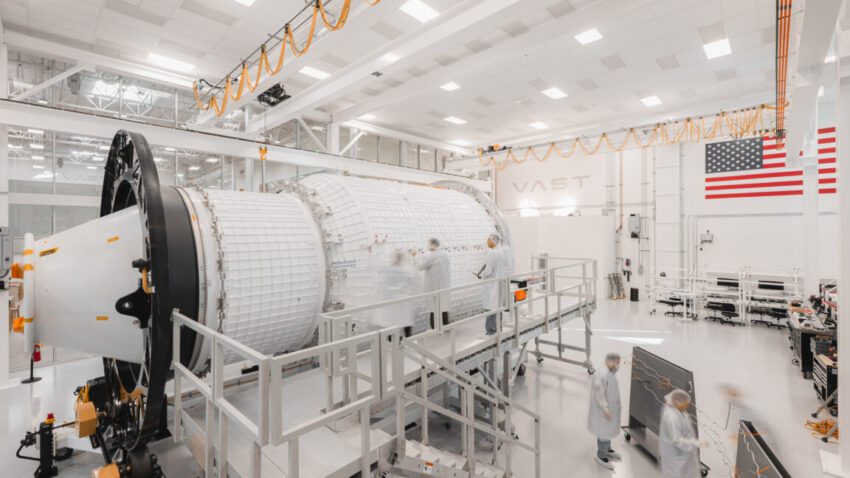
the first commercial space station haven-1 is The first commercial space station, Haven-1, is now undergoing assembly for launch, marking a significant milestone in the evolution of space exploration and commercialization.
the first commercial space station haven-1 is
Navigating the Transition from ISS to Commercial Space Stations
NASA’s ambitious plan to transition from the International Space Station (ISS) to commercial space stations is facing a pressing timeline. With the ISS scheduled for decommissioning in less than five years, the urgency for new solutions has never been more pronounced. As of now, NASA has yet to release formal rules and requirements for the next generation of space stations, which are being designed and developed by various private companies. This delay raises concerns about the continuity of human presence in low Earth orbit and the future of commercial space endeavors.
The Importance of the ISS
The ISS has been a cornerstone of international cooperation in space since its first module was launched in 1998. It has served as a platform for scientific research, technology development, and international collaboration. Over the years, the ISS has hosted astronauts from multiple countries, contributing to advancements in various fields such as medicine, materials science, and environmental monitoring.
As the ISS approaches its end of life, NASA’s plan to replace it with commercial space stations aims to maintain a human presence in low Earth orbit while fostering a new era of commercial space activities. The transition is not merely about replacing a structure; it represents a shift in how space exploration and research are conducted, moving from government-led initiatives to private sector involvement.
The Commercial Space Station Landscape
In response to NASA’s call for commercial solutions, several companies have emerged as key players in the development of new space stations. Currently, four main contenders are vying for contracts under NASA’s commercial space station program:
- Voyager Technologies
- Axiom Space
- Blue Origin
- Vast Space
Each of these companies brings unique capabilities and visions for the future of space habitation. As NASA prepares to select one or more of these firms for larger contracts later this year, the stakes are high for both the agency and the private sector.
Voyager Technologies
Voyager Technologies is focused on creating a versatile space platform that can support a variety of missions, from scientific research to commercial activities. Their approach emphasizes modularity, allowing for the addition of new modules and capabilities over time. This flexibility could be crucial as the needs of space exploration evolve.
Axiom Space
Axiom Space has garnered attention for its plans to build the world’s first commercial space station, which is intended to serve as a successor to the ISS. The company aims to provide a platform for research, manufacturing, and tourism, thereby expanding the commercial opportunities in low Earth orbit. Axiom’s vision includes a phased approach, where the first module is launched to the ISS, and subsequent modules are added to create a fully operational station.
Blue Origin
Founded by Jeff Bezos, Blue Origin has a long-term vision for space exploration that includes a robust presence in low Earth orbit. The company is developing its own space station, known as Orbital Reef, in partnership with Sierra Space. This station is designed to be a mixed-use business park in space, accommodating various activities such as research, manufacturing, and tourism.
Vast Space
Vast Space is taking a different approach by focusing on the construction of a space station that emphasizes the use of inflatable habitats. Their design aims to maximize usable space while minimizing launch costs. This innovative approach could make space more accessible for a range of activities, from scientific research to commercial ventures.
The Implications of NASA’s Decision
The selection of one or more companies for larger contracts will have significant implications for the future of space exploration. A successful transition from the ISS to commercial space stations could pave the way for a new era of scientific research and commercial activities in low Earth orbit. However, the timeline is tight, and the stakes are high.
Scientific Research and Innovation
The continuation of scientific research in low Earth orbit is critical for various fields, including medicine, materials science, and environmental studies. The ISS has provided invaluable data and insights that have advanced our understanding of these areas. The new commercial space stations must ensure that they can support similar research activities, if not expand upon them.
Moreover, the involvement of private companies could lead to increased innovation in space technologies. With competition driving advancements, we may see new solutions to longstanding challenges in space exploration, such as life support systems, radiation protection, and sustainable living conditions.
Commercial Opportunities
The emergence of commercial space stations also opens up new avenues for business ventures in space. Companies may seek to leverage these platforms for various purposes, including:
- Scientific research and experimentation
- Manufacturing in microgravity
- Space tourism and hospitality
- Satellite servicing and assembly
As the commercial space industry matures, the potential for economic growth in this sector is substantial. The ability to conduct research and manufacturing in space could lead to breakthroughs that benefit life on Earth, while also creating new markets and job opportunities.
Challenges Ahead
Despite the promising outlook, several challenges remain in the transition from the ISS to commercial space stations. The timeline for decommissioning the ISS is looming, and the lack of formal guidelines from NASA adds uncertainty to the process. Companies must navigate regulatory hurdles, technical challenges, and funding issues to bring their visions to fruition.
Regulatory and Safety Considerations
As private companies take on the responsibility of operating space stations, regulatory frameworks will need to evolve. Ensuring the safety of astronauts and equipment in low Earth orbit is paramount. NASA will need to establish clear guidelines and requirements for commercial operators to follow, addressing issues such as safety protocols, environmental impact, and liability.
Funding and Investment
Securing funding for the development and operation of commercial space stations is another significant challenge. While private investment is increasing in the space sector, companies will need to demonstrate a viable business model to attract investors. The potential for profitability in space is enticing, but it requires careful planning and execution.
Conclusion
The assembly of Haven-1 marks a pivotal moment in the evolution of commercial space stations. As NASA prepares to make critical decisions regarding contracts for the next generation of space habitats, the future of human presence in low Earth orbit hangs in the balance. The transition from the ISS to commercial space stations represents not only a change in infrastructure but also a shift in how humanity approaches space exploration.
With the potential for scientific advancements, economic growth, and new commercial opportunities, the stakes are high for all stakeholders involved. As the countdown to the ISS’s decommissioning continues, the world watches closely to see how this new chapter in space exploration unfolds.
Source: Original report
Was this helpful?
Last Modified: January 21, 2026 at 4:42 am
0 views