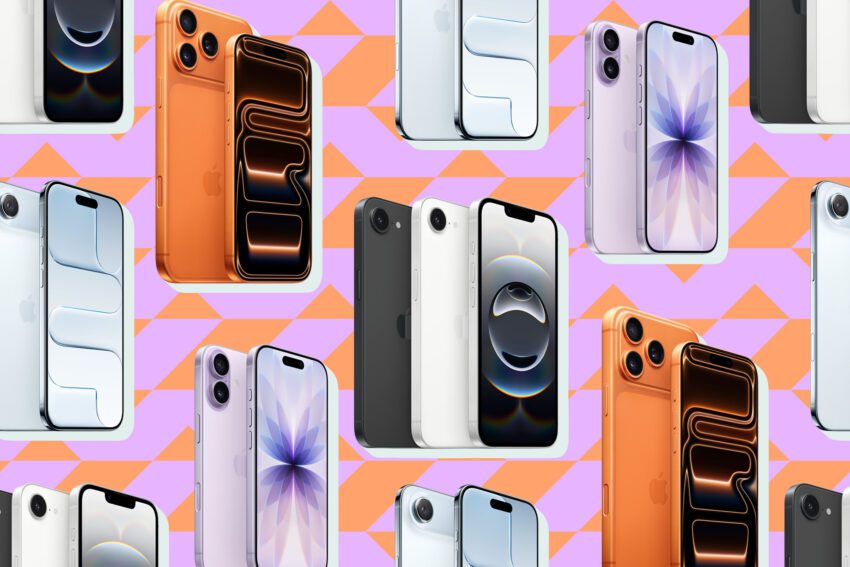
the best iphones If you’ve been contemplating an upgrade, Apple’s latest iPhone lineup offers compelling options that are worth considering.
the best iphones
Introduction to the 2025 iPhone Lineup
Apple has officially unveiled its 2025 iPhone lineup, which includes the iPhone 17, 17 Pro, 17 Pro Max, and the newly introduced ultra-thin iPhone Air. These models come with a host of upgraded features compared to their predecessors, including enhanced camera systems, faster processors, improved battery life, and superior display technology. However, the much-anticipated Apple Intelligence is still evolving and has not yet reached its full potential.
In conjunction with the new hardware, Apple has also launched iOS 26, marking a significant leap from the previous version. This update introduces a Liquid Glass user interface, live translation capabilities, and customizable wallpapers for messages, among other features. The redesign is the most substantial since iOS 7 and has elicited mixed reactions from users and critics alike, although many agree that it presents a fresh aesthetic.
If your current iPhone is functioning well, there’s no immediate need to rush into a purchase. However, if you’re considering replacing an older model, the advancements in the new lineup make a strong case for upgrading, especially with the iPhone 17, which offers a higher-refresh-rate display and double the base storage at no additional cost.
The Best iPhone for Most People
Apple iPhone 17
Score: 8
- Pros: Always-on display, high refresh rate, solid camera performance, good battery life, unchanged pricing.
- Cons: No redesign, limited zoom capabilities, device can get hot during intense gaming, Apple Intelligence still needs improvement.
Where to Buy: $799 at Apple (256GB), $829.99 at Best Buy (256GB), $999 at Apple (512GB)
Screen: 6.3-inch 2622 x 1206 OLED, 120Hz refresh rate
Processor: A19
Cameras: 48-megapixel f/1.6 main with sensor-shift IS; 48-megapixel ultrawide; 18-megapixel selfie
Battery: Not advertised
Charging: 40W wired, 25W wireless MagSafe / Qi2
Weather-resistance rating: IP68
The iPhone 17 represents a significant upgrade for the standard model. After years of offering a lower-quality screen, this year’s model finally incorporates two major enhancements: an always-on display and a high-refresh-rate panel. These features enhance the user experience, making everyday tasks feel smoother and more responsive. At the same starting price of $799 as its predecessor, the iPhone 17 is a compelling option for those looking for a solid smartphone without breaking the bank.
The iPhone 17 retains the 48-megapixel main camera from last year, but the ultrawide camera has been upgraded from a 12-megapixel sensor to a 48-megapixel sensor, resulting in sharper and more vibrant images. The device also features an 18-megapixel Center Stage selfie camera, which is shared with the iPhone Air and 17 Pro. While selfies may not see a dramatic improvement, the square sensor allows for horizontal selfies when the phone is held vertically, enhancing the overall user experience.
Additionally, Apple has doubled the base storage to 256GB, a significant upgrade from the 128GB offered in the iPhone 16. Improved battery life is another highlight, although the standard model still lacks a dedicated telephoto camera. The A19 chip is also less powerful than the A19 Pro found in the Pro models. Nonetheless, the iPhone 17 is a substantial improvement in nearly every aspect, even if its design remains largely unchanged from previous iterations.
The Best High-End iPhone
iPhone 17 Pro
Score: 8
- Pros: Solid battery life, brighter outdoor display, upgraded Center Stage camera, faster charging.
- Cons: Heavier than last year, some features still underwhelming.
Where to Buy: $1099 at Apple (256GB), $1099.99 at Best Buy (256GB), $1299 at Apple (512GB)
Screen: 6.3-inch 2622 x 1206 OLED, 120Hz refresh rate
Processor: A19 Pro
Cameras: 48-megapixel f/1.78 with sensor-shift IS; 48-megapixel 8x telephoto with OIS; 48-megapixel ultrawide; 18-megapixel selfie
Battery: Not advertised
Charging: 40W wired, 25W MagSafe / Qi2
Weather-resistance rating: IP68
The iPhone 17 Pro introduces a bold redesign alongside numerous upgrades, including the most advanced camera system in the lineup. It features rounded edges and is on par with the 17 Pro Max in terms of performance. The primary distinctions are that the Pro Max offers a larger display, a bigger battery, and storage options up to 2TB.
While the iPhone 17 is tailored for the average user, the 17 Pro is designed with creators in mind. It boasts three 48-megapixel cameras, including a telephoto lens, and offers professional features aimed at those who wish to capture high-quality photos and videos. Notable features include Genlock support for synchronizing timecodes across multiple cameras and ProRes RAW recording capabilities. The upgraded Center Stage selfie camera is also a welcome addition.
Despite these enhancements, the iPhone 17 Pro may not be a necessary upgrade for all users. However, it does come in an appealing orange color, which has garnered attention as the new trend for this year.
The iPhone with the Best Battery Life
iPhone 17 Pro Max
Score: 8
- Pros: Exceptional battery life, brighter outdoor display, upgraded Center Stage camera, faster charging.
- Cons: Heavier than last year, some features still underwhelming.
Where to Buy: $1199 at Apple (256GB), $1199.99 at Best Buy (256GB), $1399 at Apple (512GB)
Screen: 6.9-inch 2868 x 1320 OLED, 120Hz refresh rate
Processor: A19 Pro
Cameras: 48-megapixel f/1.78 with sensor-shift IS; 48-megapixel 8x telephoto with OIS; 48-megapixel ultrawide; 18-megapixel selfie
Battery: Not advertised
Charging: 40W wired, 25W MagSafe / Qi2
Weather-resistance rating: IP68
The iPhone 17 Pro Max features a redesign that not only enhances its appearance but also significantly improves its battery life. Apple has engineered the device’s aluminum frame to accommodate the largest battery yet in an iPhone, boasting up to 39 hours of video playback—12 hours more than the previous iPhone 16 Plus, which was previously the battery champion. This model can easily last through a full day of usage, though actual performance will vary based on individual usage patterns, such as gaming, video playback, and social media engagement.
In addition to its impressive battery life, the 17 Pro Max offers the largest display in the current lineup at 6.9 inches and supports storage options up to 2TB, providing ample space for creators to store their media. For those seeking the ultimate iPhone experience, including the longest battery life, the 17 Pro Max is the clear choice.
The Best iPhone for People Who Hate Bulky Phones
iPhone Air
Score: 7
- Pros: Slim profile, lightweight, pleasant for extended use.
- Cons: Battery life is subpar, lacks an ultrawide camera.
Where to Buy: $999 at Apple (256GB), $999.99 at Best Buy (256GB), $1199 at Apple (512GB)
Screen: 6.5-inch 2736 x 1260 OLED, 120Hz refresh rate
Processor: A19 Pro
Cameras: 48-megapixel f/1.6 main with sensor-shift IS; 18-megapixel selfie
Battery: Not advertised
Charging: 30W wired, 20W MagSafe / Qi2
Weather-resistance rating: IP68
The iPhone Air is Apple’s thinnest model to date, measuring just 5.6mm and weighing 165 grams. Its titanium frame and Ceramic Shield 2 display enhance its durability, making it surprisingly resilient for such a lightweight device. The 6.5-inch display feels deceptively small, and many users may find it comfortable to hold and use for extended periods.
However, the ultra-slim design comes with notable compromises. The Air features only a single 48-megapixel camera on the rear, which, while capable, lacks the versatility of the dual-camera setup found in the iPhone 17. Additionally, battery life is average at best, which may deter users who prioritize longevity. At a price point of $999, the iPhone Air may not offer the best value for those seeking robust camera capabilities and battery performance.
The Best Inexpensive-ish iPhone
iPhone 16E
Score: 7
- Pros: Reliable performance, decent camera system, most affordable new iPhone.
- Cons: Lacks MagSafe, feels overpriced for what it offers.
Where to Buy: $599 at Apple (128GB), $599.99 at Best Buy (128GB), $599.99 at Verizon (128GB)
Screen: 6.1-inch Super Retina XDR
Processor: A18
Cameras: 48MP Fusion with 1x and 2x optical zoom; 12-megapixel selfie
Battery: Not advertised
Charging: 20-watt wired, 7.5W Qi, no MagSafe
Weather-resistance rating: IP68
The iPhone 16E is Apple’s most affordable new offering, but it comes with caveats. While it provides reliable performance and a competent camera system, its $599 price tag feels steep when considering the features it lacks. Notably, the absence of MagSafe is a significant drawback, especially as this feature has become a standard in many iPhone models. Additionally, the 16E lacks an ultrawide camera, Dynamic Island, and Ultra Wideband capabilities.
Despite these shortcomings, the 16E will likely receive more years of software support than older models like the iPhone 14 or 15. While Apple Intelligence is included, its current limitations may not justify the purchase for many users. The 16E serves as a good entry point for those seeking a straightforward iPhone experience, but users looking for more advanced features may want to consider older models or other options.
What’s Coming Next
While Apple’s latest iPhone lineup is now available, speculation about future releases is already underway. Reports suggest that Apple is developing a book-style foldable iPhone for 2026, resembling two iPhone Air models placed side by side. The company is reportedly working to minimize the crease that appears when the device is unfolded, but a design has reportedly been settled upon. Looking further ahead to 2027, Apple is planning a redesigned “all-screen” iPhone to commemorate the device’s 20th anniversary. These upcoming releases are part of a three-year plan aimed at refreshing Apple’s smartphone lineup, starting with the new iPhone Air.
As the smartphone landscape continues to evolve, Apple appears committed to pushing the boundaries of design and functionality. The 2025 iPhone lineup not only showcases the company’s latest technological advancements but also sets the stage for future innovations that could redefine the smartphone experience.
Source: Original report
Was this helpful?
Last Modified: December 18, 2025 at 9:53 am
0 views