the ai-energy apocalypse might be a little The growing demand for electricity driven by artificial intelligence (AI) technologies may not be as catastrophic as some forecasts suggest, but it still poses significant challenges for the U.S. power grid.
the ai-energy apocalypse might be a little
Understanding the Energy Demands of AI
As AI continues to evolve, its applications are becoming increasingly widespread across various sectors, including healthcare, finance, and transportation. This rapid adoption has led to heightened concerns about the energy consumption associated with training and deploying AI models. According to industry estimates, the energy required to power AI systems is substantial, leading to fears that the technology could strain existing power grids.
Current Energy Consumption Trends
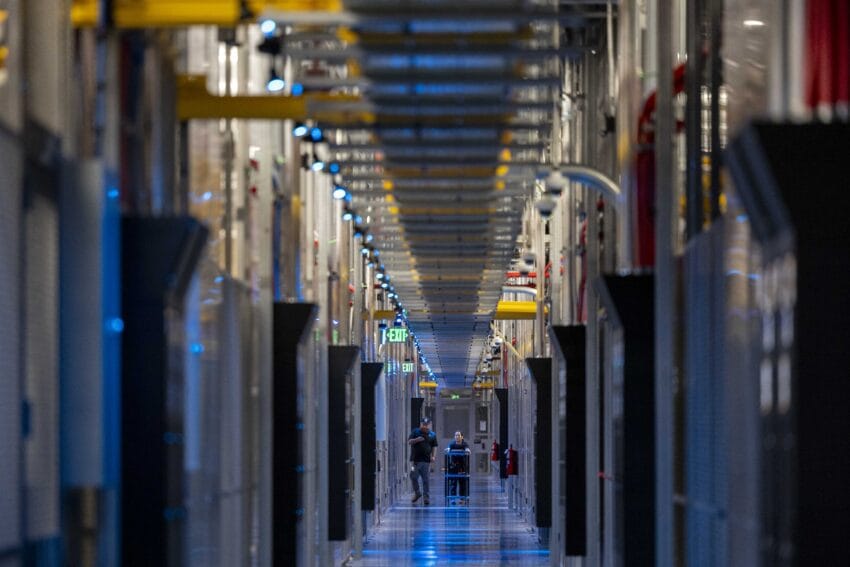
Recent reports indicate that tech companies are consuming more electricity than ever to support their AI initiatives. For instance, data centers, which house the servers that run AI algorithms, are notorious for their high energy demands. A notable example is the Equinix data center in Ashburn, Virginia, which has become a hub for AI-related activities. As companies compete to develop more advanced AI capabilities, their energy consumption is expected to rise even further.
Utilities across the nation are already feeling the impact of this increasing demand. Many are responding by investing in new infrastructure, including gas plants and pipelines, to ensure they can meet the needs of tech companies. However, this rush to expand capacity raises questions about the sustainability of such growth and whether it is based on realistic projections of AI’s energy consumption.
The AI Bubble: A Cause for Concern?
While the demand for electricity is undoubtedly increasing, some experts caution that the forecasts surrounding AI’s energy consumption may be inflated. The hype surrounding AI has led to significant investment from venture capitalists and other stakeholders eager to capitalize on the technology’s potential. This influx of capital has created a sense of urgency among tech companies, pushing them to rapidly scale their operations without fully understanding the long-term implications.
Investor Sentiment and Market Dynamics
The current landscape is characterized by a mix of excitement and apprehension. Investors are pouring money into AI startups, driven by the fear of missing out on the next big breakthrough. This has led to a competitive environment where companies are racing to develop AI technologies that can outperform their rivals. As a result, many are ramping up their energy consumption in an effort to gain a competitive edge.
However, this trend raises important questions about the sustainability of such growth. If the forecasts regarding AI’s energy demands are overblown, the investments being made in energy infrastructure may not be justified. This could lead to a scenario where utilities are left with excess capacity, resulting in wasted resources and financial strain.
Implications for the Energy Sector
The implications of rising energy demands driven by AI are significant for the energy sector. Utilities are tasked with balancing the need for reliable power supply with the challenges posed by fluctuating demand. As tech companies continue to expand their operations, utilities must adapt their strategies to ensure they can meet these new demands.
Infrastructure Development
In response to the increasing demand for electricity, many utilities are investing in new infrastructure projects. This includes the construction of gas plants and pipelines, which are seen as essential for meeting the needs of tech companies. However, this approach raises concerns about the environmental impact of fossil fuel-based energy sources.
As the world moves towards a more sustainable energy future, the reliance on gas plants may be at odds with broader climate goals. The challenge for utilities will be to balance the immediate need for reliable power with the long-term imperative to reduce carbon emissions. This may require a shift towards renewable energy sources, such as solar and wind, which can provide cleaner alternatives to traditional fossil fuels.
Regulatory Considerations
The regulatory landscape surrounding energy consumption and AI is also evolving. Policymakers are increasingly focused on ensuring that the energy needs of tech companies are met while also addressing environmental concerns. This has led to discussions about how to incentivize the use of renewable energy sources and promote energy efficiency in data centers.
As utilities navigate these challenges, they must also consider the potential for regulatory changes that could impact their operations. For example, new regulations aimed at reducing carbon emissions could require utilities to invest in cleaner technologies, which may come with significant costs. This could further complicate the already complex relationship between energy demand and supply.
Stakeholder Reactions
The reactions from various stakeholders regarding the rising energy demands of AI have been mixed. While some view the situation as an opportunity for growth and innovation, others express concern about the potential consequences for the energy sector and the environment.
Tech Companies’ Perspective
From the perspective of tech companies, the increasing demand for electricity is seen as a necessary investment in their future. Many believe that the benefits of AI will far outweigh the costs associated with energy consumption. As they continue to develop more advanced AI models, they are also exploring ways to optimize their energy usage, such as implementing energy-efficient technologies and practices in their data centers.
Utility Companies’ Concerns
Utility companies, on the other hand, are more cautious about the implications of rising energy demands. They recognize the need to invest in new infrastructure to meet the demands of tech companies, but they are also wary of the potential for overbuilding. Many utilities are advocating for a more measured approach to energy consumption, emphasizing the importance of sustainability and long-term planning.
Environmental Advocates’ Viewpoint
Environmental advocates are particularly concerned about the environmental impact of increased energy consumption driven by AI. They argue that the focus should be on transitioning to renewable energy sources and reducing overall energy consumption. This perspective highlights the need for a holistic approach to energy management that takes into account both the demands of tech companies and the imperative to protect the environment.
Looking Ahead: The Future of AI and Energy
As the relationship between AI and energy consumption continues to evolve, it is essential for stakeholders to engage in open dialogue about the challenges and opportunities that lie ahead. The future of AI and energy will depend on the ability of tech companies, utility providers, and policymakers to work together to develop sustainable solutions.
Potential for Innovation
One promising avenue for addressing the energy demands of AI is through innovation. Advances in energy-efficient technologies, such as improved cooling systems for data centers and more efficient algorithms for AI training, could help mitigate the impact of rising energy consumption. Additionally, the integration of renewable energy sources into the energy mix could provide a more sustainable solution for powering AI technologies.
Collaboration and Policy Development
Collaboration among stakeholders will be crucial in shaping the future of AI and energy. Policymakers will need to develop regulations that encourage the use of renewable energy and promote energy efficiency in data centers. Tech companies must also take responsibility for their energy consumption and explore ways to reduce their carbon footprint.
Conclusion
While the fears surrounding AI’s energy consumption may be somewhat exaggerated, the implications for the U.S. power grid are real and significant. As tech companies continue to expand their operations, utilities must adapt to meet the rising demand for electricity. By fostering collaboration and innovation, stakeholders can work towards a sustainable energy future that balances the needs of AI with environmental considerations.
Source: Original report
Was this helpful?
Explore more: DevOps Services More Cloud & DevOps Tech News
Last Modified: September 23, 2025 at 4:43 am
6 views