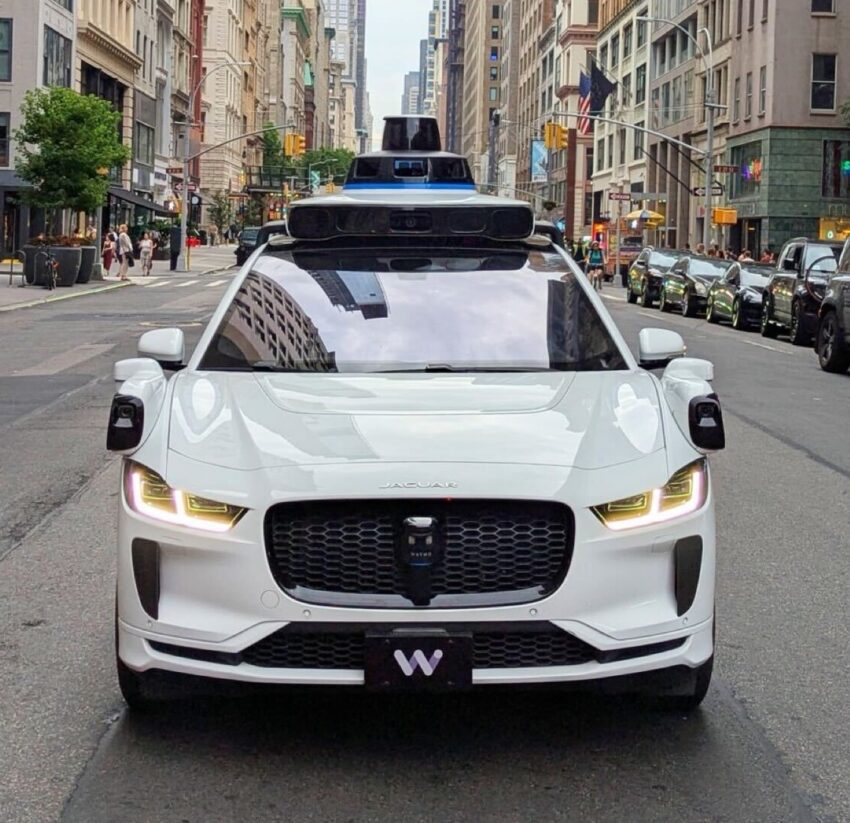
the accelerator is on the floor for Significant advancements in autonomous vehicle technology are reshaping the landscape of transportation, with major players accelerating their efforts to bring fully self-driving cars to market.
the accelerator is on the floor for
Current State of Autonomous Vehicle Technology
The race to develop autonomous vehicles (AVs) has gained unprecedented momentum in recent years, driven by advancements in artificial intelligence, machine learning, and sensor technology. Companies ranging from tech giants to traditional automotive manufacturers are investing heavily in research and development to create vehicles that can navigate complex environments without human intervention.
Key Players in the Industry
Several key players are at the forefront of this technological revolution. Notable among them are:
- Tesla: Known for its ambitious goals, Tesla has been a pioneer in integrating advanced driver-assistance systems (ADAS) into its vehicles. The company’s Full Self-Driving (FSD) package aims to enable fully autonomous driving capabilities.
- Waymo: A subsidiary of Alphabet Inc., Waymo has been testing its autonomous minivans in various urban environments. The company has made significant strides in developing a robust self-driving system that can handle diverse driving conditions.
- General Motors (GM): Through its Cruise division, GM is actively working on deploying autonomous ride-hailing services in major cities, with plans to expand its fleet of self-driving vehicles.
- Ford: The automaker is investing in AV technology through partnerships and its own research initiatives, aiming to integrate self-driving capabilities into its commercial vehicle lineup.
- Amazon: With its acquisition of Zoox, Amazon is looking to develop autonomous delivery vehicles, indicating a shift toward logistics and transportation solutions.
Technological Innovations Driving Progress
The rapid development of autonomous vehicles is largely attributed to several technological innovations. These advancements not only enhance vehicle performance but also improve safety and efficiency.
Artificial Intelligence and Machine Learning
At the core of autonomous vehicle technology is artificial intelligence (AI). AI algorithms process vast amounts of data collected from sensors, cameras, and radar systems to make real-time decisions. Machine learning models are trained on diverse driving scenarios, enabling vehicles to learn from experience and adapt to new situations.
Sensor Technology
Modern AVs are equipped with an array of sensors, including:
- Lidar: Light Detection and Ranging (Lidar) systems use laser beams to create a detailed 3D map of the vehicle’s surroundings, allowing for precise object detection and distance measurement.
- Radar: Radar systems provide information about the speed and distance of nearby objects, which is crucial for collision avoidance.
- Cameras: High-resolution cameras capture visual data, enabling the vehicle to recognize traffic signs, lane markings, and pedestrians.
These sensors work in tandem to create a comprehensive understanding of the vehicle’s environment, which is essential for safe navigation.
Regulatory Landscape and Challenges
As the technology matures, regulatory frameworks are evolving to accommodate the deployment of autonomous vehicles. However, several challenges remain that could hinder widespread adoption.
Safety Regulations
One of the primary concerns surrounding autonomous vehicles is safety. Regulatory bodies are tasked with ensuring that AVs meet stringent safety standards before they can be deployed on public roads. This includes extensive testing and validation processes to assess the vehicle’s performance in various conditions.
Liability Issues
The question of liability in the event of an accident involving an autonomous vehicle is another complex issue. Determining whether the manufacturer, software developer, or vehicle owner is responsible poses significant legal challenges. As AV technology continues to evolve, lawmakers will need to establish clear guidelines to address these concerns.
Public Perception and Acceptance
Public acceptance of autonomous vehicles is crucial for their success. Many consumers remain skeptical about the safety and reliability of self-driving technology. Companies are investing in public awareness campaigns to educate consumers about the benefits of AVs, such as reduced traffic accidents and improved mobility for those unable to drive.
Implications for the Future of Transportation
The widespread adoption of autonomous vehicles has the potential to transform transportation in several ways:
Reduced Traffic Accidents
One of the most significant benefits of AV technology is the potential to reduce traffic accidents caused by human error. According to the National Highway Traffic Safety Administration (NHTSA), approximately 94% of serious crashes are attributed to human mistakes. By eliminating the human factor, AVs could significantly decrease the number of accidents on the road.
Increased Mobility
Autonomous vehicles could provide enhanced mobility options for individuals who are unable to drive, such as the elderly and disabled. This could lead to greater independence and improved quality of life for these populations.
Environmental Impact
AVs have the potential to reduce emissions by optimizing driving patterns and reducing congestion. With the integration of electric vehicle technology, the environmental benefits could be even more pronounced, contributing to a more sustainable transportation ecosystem.
Stakeholder Reactions
The rapid advancements in autonomous vehicle technology have elicited a range of reactions from various stakeholders, including governments, industry leaders, and the public.
Government Agencies
Government agencies are increasingly recognizing the importance of AV technology in shaping the future of transportation. Many are investing in research and infrastructure to support the development and deployment of autonomous vehicles. Initiatives include establishing dedicated testing zones and providing funding for research projects focused on AV safety and technology.
Industry Leaders
Industry leaders are optimistic about the potential of AVs to revolutionize transportation. Many companies are forming partnerships and collaborations to accelerate the development of self-driving technology. For instance, Ford and Argo AI have joined forces to develop autonomous delivery solutions, while GM’s Cruise has partnered with various municipalities to test its AVs in urban environments.
Public Sentiment
Public sentiment regarding autonomous vehicles is mixed. While some individuals embrace the technology and its potential benefits, others remain cautious due to safety concerns and the fear of job displacement in the transportation sector. Addressing these concerns through transparent communication and education will be essential for fostering public trust in AV technology.
Conclusion
The acceleration of autonomous vehicle technology is poised to reshape the future of transportation. With significant investments from key players, advancements in AI and sensor technology, and evolving regulatory frameworks, the path toward widespread adoption is becoming clearer. However, challenges remain, including safety regulations, liability issues, and public acceptance. As the industry continues to innovate, the implications for safety, mobility, and the environment will be profound, marking a new era in transportation.
Source: Original report
Was this helpful?
Explore more: AI Automation Services More AI & Automation Tech News
Last Modified: December 8, 2025 at 4:43 am
21 views