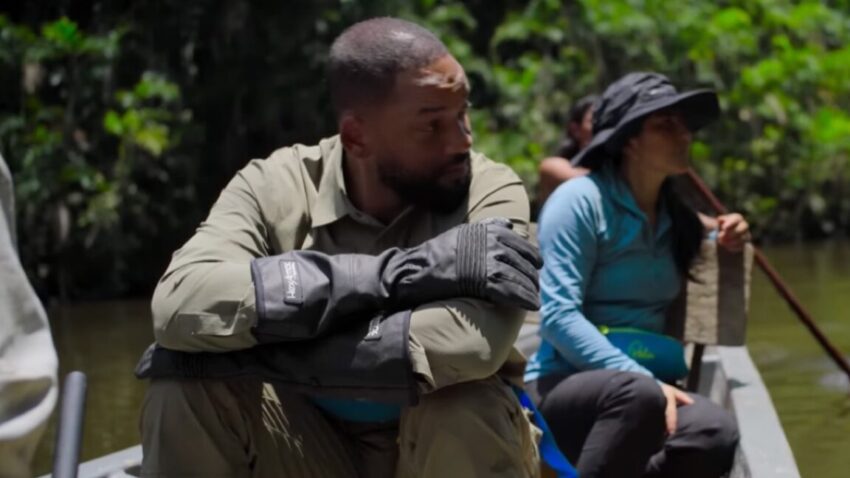
that time will smith helped discover new In a remarkable intersection of wildlife discovery and popular culture, a new species of giant anaconda was identified in South America, with actor Will Smith playing a notable role in the expedition.
that time will smith helped discover new
Discovery of a New Species
In 2024, scientists announced the discovery of a new species of giant anaconda, marking a significant milestone in herpetology and biodiversity research. This groundbreaking finding was made possible through a collaborative effort that included a National Geographic camera crew and actor Will Smith, who was filming for the documentary series “Pole to Pole with Will Smith.” The expedition took place in 2022, where the team ventured into the heart of the Amazon rainforest, a region known for its rich biodiversity and ecological significance.
The Expedition
The expedition was led by venom expert Bryan Fry, who has dedicated much of his career to studying reptiles and their habitats. Accompanied by a team of indigenous Waorani guides, the group navigated the winding rivers of the Amazon basin in search of anacondas. The Waorani people, known for their deep connection to the rainforest and its wildlife, played a crucial role in guiding the team to locations where these elusive snakes might be found.
As they journeyed by boat, the atmosphere was filled with anticipation and excitement. The Amazon rainforest is home to a diverse array of species, many of which remain undiscovered. The presence of Will Smith added a unique dimension to the expedition, as his celebrity status brought attention to the important conservation efforts being undertaken in the region.
Encountering the Anaconda
During the expedition, the team successfully located a female green anaconda measuring approximately 16 to 17 feet long. Described by Fry as “pure muscle,” the encounter was both thrilling and educational. Anacondas, while not venomous, are powerful constrictors capable of inflicting serious bites if provoked. The Waorani guides expertly secured the giant snake, allowing Fry to collect a scale sample for further analysis. This process was not without its challenges, as Smith himself expressed some reluctance to assist in the handling of the snake.
The scale sample collected from the anaconda was crucial for scientific analysis. Fry explained that the sample would enable researchers to determine the accumulation of pollutants in the water, providing insights into the health of the ecosystem. This type of research is vital for understanding the impacts of human activity on wildlife and the environment, particularly in sensitive areas like the Amazon rainforest.
Genetic Analysis and Species Classification
The genetic analysis conducted on the samples collected during the expedition yielded significant results, leading to the formal declaration of a new species: the northern green anaconda, scientifically named Eunectes akayama. This species is genetically distinct from the southern green anaconda, known as Eunectes murinus. The divergence between these two species is believed to have occurred approximately 10 million years ago, highlighting the long evolutionary history of these reptiles.
Habitat and Distribution
The northern green anaconda inhabits a range that includes Venezuela, Colombia, Suriname, French Guiana, and the northern part of Brazil. This expansive territory underscores the importance of conserving these regions, as they are critical habitats for not only the newly identified anaconda but also countless other species that rely on the Amazon rainforest for survival.
The discovery of Eunectes akayama emphasizes the need for ongoing research and exploration in the Amazon. Despite its rich biodiversity, many species remain undocumented, and the potential for further discoveries is immense. Each new finding contributes to our understanding of the complex ecosystems that exist within the rainforest and the intricate relationships between species.
Implications for Conservation
The identification of a new species of anaconda carries significant implications for conservation efforts in the Amazon. As human activities continue to encroach upon these vital ecosystems, understanding the biodiversity within them becomes increasingly critical. The northern green anaconda, like many other species, faces threats from habitat destruction, pollution, and climate change.
Conservationists argue that the discovery of new species can serve as a rallying point for conservation efforts. Highlighting the uniqueness of the northern green anaconda may help raise awareness about the importance of preserving its habitat. Efforts to protect the Amazon rainforest are not just about saving individual species; they are about maintaining the health of the entire ecosystem, which is vital for the planet’s overall well-being.
Stakeholder Reactions
The reactions to the discovery of the northern green anaconda have been overwhelmingly positive from the scientific community and conservationists alike. Bryan Fry expressed his excitement about the findings, noting the importance of the collaboration between scientists and indigenous communities in conducting research in the Amazon. The Waorani guides, with their intimate knowledge of the land, were invaluable in locating the anacondas and ensuring the expedition’s success.
Will Smith’s involvement in the expedition has also sparked discussions about the role of celebrities in environmental advocacy. His presence brought significant media attention to the expedition and the broader issues of conservation in the Amazon. Many believe that celebrities can leverage their platforms to promote awareness and inspire action, making a positive impact on environmental issues.
Future Research Directions
The discovery of Eunectes akayama opens up new avenues for research in herpetology and conservation biology. Scientists are now tasked with studying the behavior, ecology, and population dynamics of this newly identified species. Understanding its role within the ecosystem will be crucial for developing effective conservation strategies.
Additionally, ongoing monitoring of the northern green anaconda’s habitat will be essential to assess the impacts of environmental changes. As climate change continues to affect ecosystems worldwide, researchers will need to evaluate how these changes influence the distribution and health of the northern green anaconda and other species in the Amazon.
Public Engagement and Education
Public engagement and education will play a vital role in the conservation of the northern green anaconda and its habitat. Documentaries like “Pole to Pole with Will Smith” serve as powerful tools for raising awareness about biodiversity and the importance of conservation. By showcasing the beauty and complexity of the Amazon rainforest, these programs can inspire viewers to take action in their own communities.
Educational initiatives that focus on the significance of biodiversity and the threats facing ecosystems can empower individuals to become advocates for conservation. Schools, community organizations, and non-profits can collaborate to create programs that educate the public about the importance of protecting wildlife and their habitats.
Conclusion
The discovery of the northern green anaconda is a testament to the importance of exploration and research in understanding our planet’s biodiversity. The collaboration between scientists, indigenous communities, and public figures like Will Smith highlights the multifaceted approach needed to address conservation challenges. As we continue to uncover new species and deepen our understanding of ecosystems, we must also commit to protecting these vital habitats for future generations.
Source: Original report
Was this helpful?
Explore more: More General Technology Tech News Blog
Last Modified: January 12, 2026 at 6:36 am
21 views