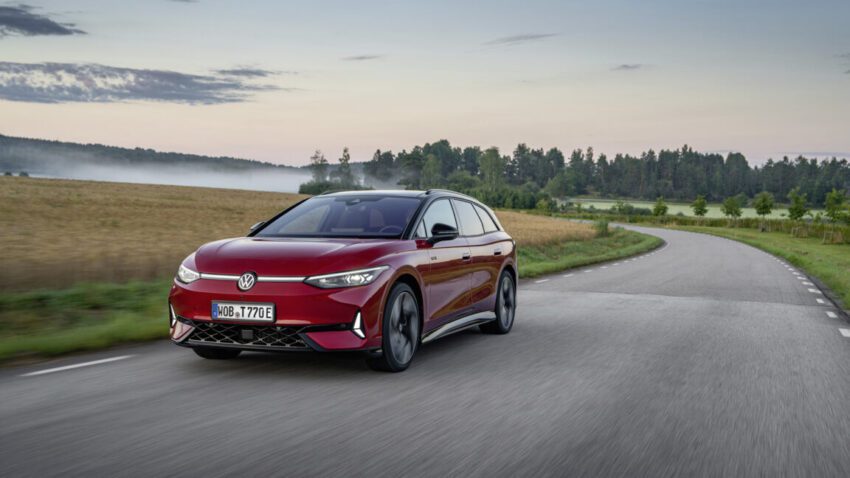
tesla slipped behind vw in european ev In a significant shift in the electric vehicle (EV) landscape, Tesla has fallen behind Volkswagen in European EV sales for the first time, highlighting the evolving dynamics of the automotive market.
tesla slipped behind vw in european ev
Overview of the European EV Market
The electric vehicle market in Europe has been on an upward trajectory, even as the overall vehicle sales have shown only modest growth. According to data from automotive analyst JATO Dynamics, the European car market experienced a slight increase of 2.2 percent in 2024. However, the EV segment saw a remarkable surge, with sales rising by 29 percent, resulting in a market share of 19.5 percent for electric vehicles.
This growth in EV sales is particularly noteworthy given the lingering effects of the COVID-19 pandemic, which has impacted various sectors of the economy. While many regions, including the United States, have faced challenges in transitioning to electric mobility, Europe appears to be embracing the shift with more enthusiasm. This positive trend is driven by a combination of government incentives, increasing consumer awareness, and a growing range of electric models available to buyers.
Volkswagen’s Ascendancy
Volkswagen has emerged as a significant player in the European EV market, surpassing Tesla in sales for the first time last year. The German automaker’s electric vehicle sales grew by an impressive 56 percent, allowing it to sell 274,278 EVs compared to Tesla’s 236,357. This shift marks a pivotal moment in the automotive industry, as Tesla has long been regarded as the leader in the electric vehicle space.
Sales Breakdown
The sales figures reveal the depth of Volkswagen’s success in the EV market. Not only did the Volkswagen brand itself outperform Tesla, but the company also boasts a diverse portfolio of brands that contribute to its overall sales. The breakdown of sales figures for Volkswagen’s brands is as follows:
- Volkswagen: 274,278 EVs
- Skoda: 171,703 EVs (4th place)
- Audi: 153,845 EVs (5th place)
- Cupra: 79,269 EVs (15th place)
- Porsche: 32,715 EVs (21st place)
This diverse lineup allows Volkswagen to cater to a wide range of consumers, from budget-conscious buyers to luxury enthusiasts. The company’s ability to offer a variety of electric models has played a crucial role in its success, as it can meet the needs of different segments of the market.
Tesla’s Challenges
While Tesla remains a formidable player in the EV market, the company faced challenges in the past year that contributed to its decline in sales. Tesla’s sales decreased by 27 percent, a significant drop that raises questions about the company’s strategy and market positioning. Several factors may have contributed to this downturn:
Increased Competition
The automotive landscape is becoming increasingly competitive, with traditional automakers like Volkswagen ramping up their electric vehicle offerings. As more manufacturers enter the EV market, Tesla faces pressure to differentiate itself and maintain its market share. The influx of new models from established brands has provided consumers with more choices, making it essential for Tesla to innovate continuously.
Supply Chain Issues
Like many industries, the automotive sector has been grappling with supply chain disruptions, particularly in the wake of the pandemic. These challenges have affected production timelines and availability of key components, impacting Tesla’s ability to meet demand. As the company works to resolve these issues, it may need to adjust its production strategies to remain competitive.
Market Saturation
Tesla has enjoyed a first-mover advantage in the electric vehicle market, but as the market matures, saturation becomes a concern. With a growing number of consumers adopting electric vehicles, Tesla may find it increasingly challenging to sustain its rapid growth rates. The company will need to focus on expanding its product lineup and enhancing customer experiences to retain its loyal customer base.
Government Policies and Incentives
Government policies and incentives play a crucial role in shaping the electric vehicle market in Europe. Many European countries have implemented initiatives to promote the adoption of electric vehicles, including subsidies for EV purchases, investments in charging infrastructure, and stricter emissions regulations. These measures have created a favorable environment for electric vehicle sales, benefiting manufacturers like Volkswagen.
In contrast, the United States has faced challenges in implementing cohesive policies to promote EV adoption. While some states have made significant strides, the lack of a unified national strategy may hinder the overall transition to electric mobility. This divergence in policy approaches highlights the importance of government support in driving the EV market forward.
Consumer Sentiment and Awareness
Consumer sentiment towards electric vehicles is evolving, with increasing awareness of environmental issues and the benefits of electric mobility. As more individuals recognize the advantages of owning an electric vehicle—such as lower operating costs, reduced emissions, and government incentives—demand for EVs is likely to continue growing.
Volkswagen’s marketing efforts have also played a role in shaping consumer perceptions. The company has invested in campaigns that emphasize the sustainability and performance of its electric models, appealing to environmentally conscious consumers. By effectively communicating the benefits of its EV offerings, Volkswagen has successfully captured the attention of potential buyers.
Future Implications
The shift in sales dynamics between Tesla and Volkswagen has broader implications for the automotive industry. As competition intensifies, manufacturers will need to innovate and adapt to changing consumer preferences. The success of Volkswagen in the EV market serves as a reminder that established automakers can pivot effectively to meet the demands of a rapidly evolving landscape.
For Tesla, the challenge lies in maintaining its leadership position while navigating a more competitive environment. The company will need to focus on enhancing its product offerings, improving production efficiency, and expanding its global footprint to sustain growth. Additionally, Tesla may need to reevaluate its pricing strategies to remain attractive to consumers in an increasingly crowded market.
Conclusion
The recent shift in European EV sales, with Volkswagen surpassing Tesla, underscores the dynamic nature of the automotive industry. As electric vehicle adoption continues to rise, manufacturers must adapt to the evolving landscape and respond to consumer demands. The competition between Tesla and Volkswagen will likely shape the future of electric mobility, influencing the strategies of both companies and the broader market.
As the automotive industry moves forward, the emphasis on sustainability and innovation will remain paramount. The success of electric vehicles in Europe serves as a beacon of hope for the global transition to cleaner transportation, and the developments in this market will be closely watched by stakeholders worldwide.
Source: Original report
Was this helpful?
Last Modified: February 6, 2026 at 12:39 am
2 views