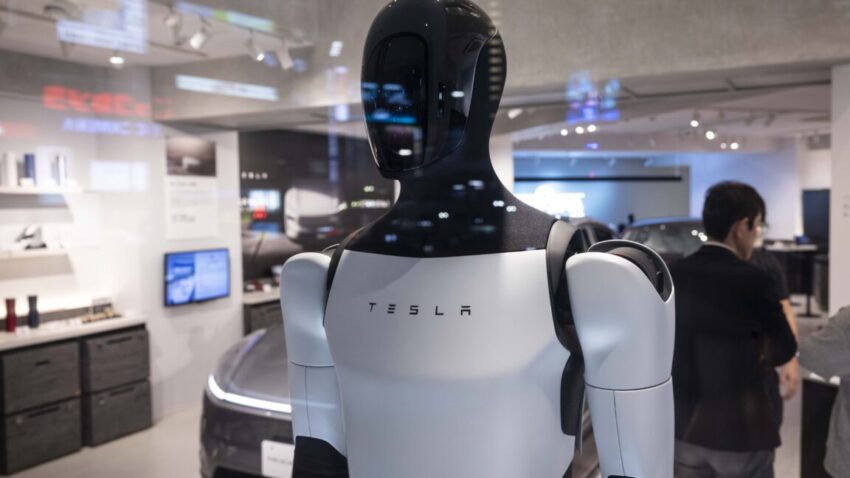
tesla reports q1 2026 earnings still profitable Tesla has reported its financial results for the first quarter of 2026, showcasing a continued profitability amid a challenging market landscape.
tesla reports q1 2026 earnings still profitable
Financial Overview
Tesla published its quarterly financials ahead of an investor call, revealing a mixed yet optimistic picture for the electric vehicle (EV) manufacturer. As of the time of reporting, Tesla’s market capitalization stood at an impressive $1.21 trillion, underscoring its status as a valuable player in the automotive sector. The company has become increasingly polarized among consumers and investors alike, yet it continues to attract significant interest and investment.
Sales Growth
In early April, Tesla announced its delivery figures, which indicated that the first quarter of 2026 was a positive one for the company. Sales grew by a little more than 6 percent compared to the same quarter in 2025. This growth is particularly noteworthy given the competitive landscape of the EV market, which has seen an influx of new entrants and established automakers ramping up their electric offerings.
The increase in sales has translated into a more profitable quarter for Tesla, with the company reporting a net income of $477 million. This figure represents a significant improvement over the previous year, reflecting the company’s ability to navigate market challenges while maintaining profitability.
Revenue Breakdown
Tesla’s revenue for the first quarter reached $22.4 billion, marking a 16 percent increase year-over-year. This growth can be attributed to several factors, including increased demand for its vehicles and a broader acceptance of electric vehicles among consumers. The automotive revenue specifically grew by the same percentage, reaching $16.2 billion. This indicates that the core business of manufacturing and selling electric vehicles remains robust.
In addition to automotive sales, Tesla saw a remarkable 42 percent increase in services and other revenue streams, which include Supercharger fees and maintenance services. This diversification of revenue sources is crucial for Tesla as it seeks to reduce its reliance on vehicle sales alone, especially in a market that is becoming increasingly competitive.
Challenges in Energy Storage
Despite the positive performance in automotive sales and services, Tesla’s energy storage business faced challenges during the first quarter. Revenues from this division fell by 12 percent to $2.4 billion. This decline raises questions about the future of Tesla’s energy products, particularly as the company has positioned itself as a leader in renewable energy solutions.
The energy storage market is evolving rapidly, with increasing competition from other companies offering similar products. Tesla’s ability to innovate and adapt in this sector will be critical to its long-term success. The decline in energy storage revenue could signal a need for Tesla to reassess its strategy and product offerings in this area.
Operating Margins and Expenses
Tesla reported an operating margin of 4.2 percent for the first quarter of 2026. While this figure is a far cry from the double-digit margins the company once boasted, it is an improvement compared to the margins seen in 2025. The operating margin is a critical metric for investors, as it provides insight into the company’s efficiency and profitability.
In 2025, Tesla faced significant challenges that impacted its margins, making the current figures a positive sign of recovery. However, the operating margin remains a point of concern for analysts and investors, who will be closely monitoring the company’s ability to improve this metric in the coming quarters.
Regulatory Credits and Leasing Revenue
Another area of concern for Tesla is its revenue from regulatory credits. In the first quarter of 2026, the company generated $380 million from selling regulatory credits, a decrease from $595 million in the same quarter of 2025. Regulatory credits have been a significant source of revenue for Tesla, particularly as it has been able to sell excess credits to other automakers struggling to meet emissions standards.
The decline in regulatory credit revenue could indicate that other automakers are catching up in their EV offerings, thereby reducing the demand for Tesla’s credits. This trend may necessitate a shift in Tesla’s business model, as reliance on regulatory credits may not be sustainable in the long term.
Additionally, Tesla’s leasing revenue has also seen a downturn, further impacting the overall financial picture. The company will need to explore new avenues for generating revenue in this area to offset these declines.
Investment in AI and Future Prospects
Operating expenses have risen for Tesla, largely due to increased spending on artificial intelligence (AI) initiatives and a portion of the $1 trillion compensation package approved by shareholders for CEO Elon Musk in November 2025. The investment in AI is particularly noteworthy, as Tesla aims to enhance its autonomous driving capabilities and improve overall vehicle performance.
As the automotive industry transitions towards greater automation and connectivity, Tesla’s focus on AI could position it as a leader in this space. However, these investments come with risks, as the development of AI technologies can be costly and time-consuming. Investors will be keen to see how these expenditures translate into tangible benefits for the company in the future.
Market Position and Competitive Landscape
Tesla’s position in the EV market remains strong, but it is not without competition. Established automakers are increasingly investing in electric vehicle technology, and new entrants are emerging with innovative offerings. This competitive landscape presents both challenges and opportunities for Tesla as it seeks to maintain its market share.
Consumer preferences are also shifting, with more buyers considering factors such as price, range, and technology when choosing an electric vehicle. Tesla’s ability to adapt to these changing preferences will be crucial for its continued success. The company has historically been known for its cutting-edge technology and performance, but it will need to ensure that it remains competitive in terms of pricing and accessibility.
Stakeholder Reactions
The financial results have elicited varied reactions from stakeholders. Investors are likely to be pleased with the continued profitability and revenue growth, but concerns about declining margins and energy storage revenues may temper enthusiasm. Analysts will be closely scrutinizing Tesla’s performance in the coming quarters to assess whether the company can sustain its growth trajectory.
Consumer sentiment towards Tesla remains polarized. While many view the company as a pioneer in the electric vehicle space, others express concerns about quality control and customer service. Tesla’s ability to address these concerns will be critical in maintaining its brand reputation and customer loyalty.
Conclusion
In summary, Tesla’s Q1 2026 earnings report reflects a company that is navigating a complex and evolving market landscape. While the growth in sales and revenue is encouraging, challenges in energy storage and declining regulatory credit revenue highlight the need for strategic adjustments. As Tesla continues to invest in AI and other technologies, stakeholders will be watching closely to see how these initiatives impact the company’s future performance.
As the electric vehicle market continues to grow and evolve, Tesla’s ability to adapt and innovate will be key to its long-term success. The company remains a significant player in the automotive industry, but it must address its challenges head-on to maintain its leadership position.
Source: Original report
Was this helpful?
Explore more: More Business & Startups Tech News Blog
Last Modified: April 23, 2026 at 12:36 pm
15 views