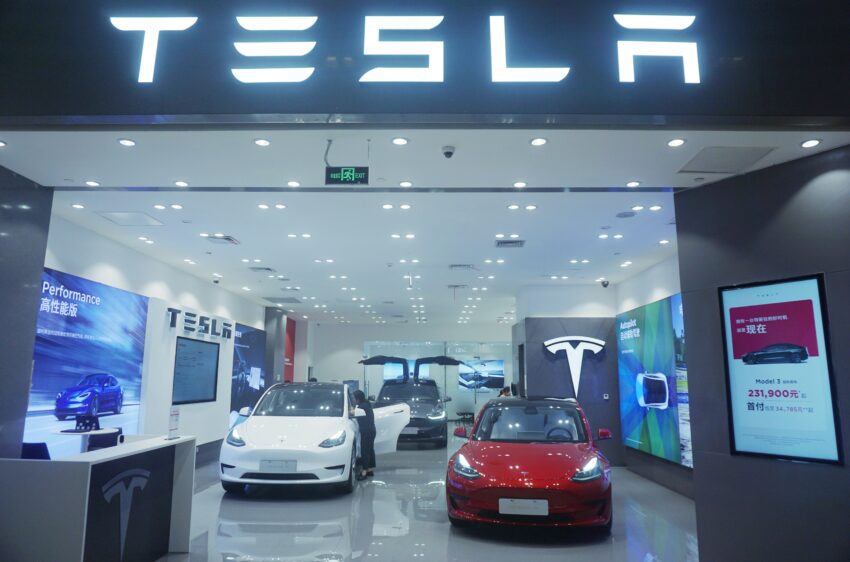
tesla hits a grim milestone its second Tesla has reported its second consecutive year of declining revenue and profits, raising concerns about the company’s future as it aims to solidify its position in the rapidly evolving electric vehicle (EV) market.
tesla hits a grim milestone its second
Financial Overview
In its latest earnings report, Tesla disclosed a net income of $840 million on $24.9 billion in revenue for the fourth quarter ending December 2025. This marks a 3 percent decrease in revenue compared to the same quarter in 2024, which saw the company generate $25.7 billion in revenue and a significantly higher net income of $2.3 billion. The decline in profits is even more pronounced, with a staggering 61 percent drop year-over-year.
Yearly Performance
For the entirety of 2025, Tesla’s financial performance has raised eyebrows. The company has faced challenges that have contributed to a broader trend of declining profitability, even as the global EV market continues to expand. This downturn is particularly concerning given the ambitious goals set by CEO Elon Musk, who has been vocal about his vision for Tesla to become a leader in artificial intelligence (AI) and robotics.
Market Context
Despite Tesla’s struggles, the global electric vehicle market has shown resilience. According to industry analysts, the demand for electric vehicles is on the rise, driven by increasing consumer awareness of climate change and government incentives aimed at reducing carbon emissions. Traditional automakers are also ramping up their EV offerings, intensifying competition in a market that Tesla once dominated.
Challenges Facing Tesla
Several factors have contributed to Tesla’s declining revenue and profits. One of the most significant challenges is the increasing competition from both established automakers and new entrants in the EV space. Companies like Ford, General Motors, and Volkswagen have invested heavily in electric vehicle technology, offering consumers a wider range of options. This has led to price wars, with many manufacturers slashing prices to attract buyers.
Production and Supply Chain Issues
Additionally, Tesla has faced ongoing production and supply chain issues that have hindered its ability to meet demand. The COVID-19 pandemic disrupted global supply chains, leading to shortages of critical components like semiconductors. While Tesla has managed to navigate some of these challenges better than others, the lingering effects of the pandemic continue to impact production schedules and costs.
Elon Musk’s Vision
Elon Musk’s ambitious vision for Tesla includes not only electric vehicles but also advancements in AI and robotics. Musk has often touted the potential of Tesla’s Full Self-Driving (FSD) technology, which aims to revolutionize transportation. However, the rollout of FSD has faced delays and regulatory hurdles, raising questions about the feasibility of Musk’s timeline for achieving full autonomy.
Investor Reactions
The financial results have elicited varied reactions from investors and analysts. Some view the decline in profits as a temporary setback, believing that Tesla’s long-term growth potential remains intact. Others, however, express concern that the company may struggle to regain its footing in an increasingly competitive landscape.
Stock Performance
Following the earnings report, Tesla’s stock experienced fluctuations, reflecting investor uncertainty. While some analysts maintain a bullish outlook on Tesla’s future, citing its strong brand loyalty and innovative technology, others have downgraded their ratings, warning that the company’s growth trajectory may be at risk.
Future Outlook
Looking ahead, Tesla faces a critical juncture. The company must navigate the challenges of increased competition, production hurdles, and the evolving regulatory environment. Analysts suggest that Tesla may need to adapt its strategies to maintain its market leadership. This could involve diversifying its product offerings, enhancing its manufacturing capabilities, and investing further in research and development.
Global EV Market Dynamics
The global electric vehicle market is projected to grow significantly in the coming years. According to recent reports, the market is expected to reach a value of over $800 billion by 2027, driven by factors such as technological advancements, government incentives, and changing consumer preferences. This growth presents both opportunities and challenges for Tesla as it seeks to reclaim its status as a market leader.
Government Policies and Incentives
Government policies play a crucial role in shaping the EV landscape. Many countries are implementing stricter emissions regulations and offering incentives for electric vehicle purchases. These measures are designed to encourage consumers to transition from traditional gasoline-powered vehicles to electric alternatives. As a result, the competitive landscape is becoming increasingly crowded, with numerous automakers vying for market share.
Technological Advancements
Technological advancements in battery technology, charging infrastructure, and autonomous driving capabilities are also influencing the market. Companies are investing heavily in research and development to improve the efficiency and affordability of electric vehicles. As these technologies continue to evolve, they will likely impact consumer choices and the overall dynamics of the EV market.
Conclusion
Tesla’s recent financial results underscore the complexities of the electric vehicle market and the challenges the company faces in maintaining its leadership position. While the global EV market continues to grow, Tesla’s declining revenue and profits raise questions about its future trajectory. As competition intensifies and production challenges persist, the company must adapt to the evolving landscape to secure its place as a frontrunner in the industry.
Elon Musk’s vision for Tesla remains ambitious, but the road ahead is fraught with obstacles. Investors and analysts will be closely monitoring the company’s strategies and performance in the coming quarters, as the outcome will have significant implications for Tesla’s future and the broader electric vehicle market.
Source: Original report
Was this helpful?
Explore more: More Business & Startups Tech News Blog
Last Modified: January 29, 2026 at 3:47 am
14 views