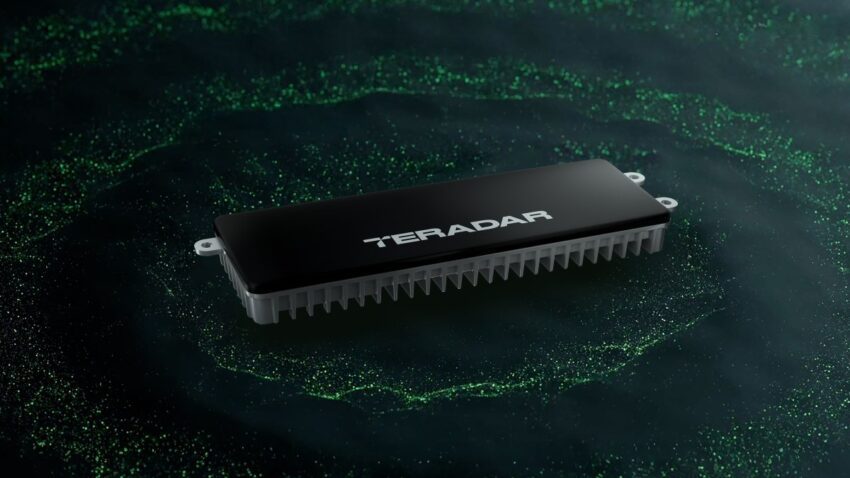
teradar reveals its first terahertz-band vision sensor Teradar has unveiled its first terahertz-band vision sensor designed specifically for automotive applications, marking a significant advancement in vehicle sensing technology.
teradar reveals its first terahertz-band vision sensor
Understanding Terahertz Technology
Terahertz (THz) technology operates within the electromagnetic spectrum, occupying the frequency range between microwave and infrared waves, typically from 0.1 to 10 THz. This range is particularly intriguing for various applications, including telecommunications, imaging, and sensing. Terahertz waves have unique properties that allow them to penetrate materials that are opaque to visible light, making them ideal for a variety of sensing applications.
In the context of automotive technology, terahertz sensors can enhance the capabilities of existing systems such as lidar and radar. Traditional lidar systems utilize laser light to create detailed 3D maps of the environment, while radar systems use radio waves to detect objects and measure their speed. By tapping into the terahertz band, Teradar aims to combine the strengths of these technologies while mitigating their weaknesses.
Advantages of Terahertz Sensors
Teradar’s terahertz-band vision sensor offers several advantages over conventional sensing technologies:
- Enhanced Resolution: Terahertz sensors can provide higher resolution images than traditional radar and lidar systems. This capability is crucial for detecting smaller objects and enhancing overall situational awareness.
- Material Penetration: Unlike visible light, terahertz waves can penetrate certain materials, allowing for the detection of objects hidden behind obstacles. This feature is particularly beneficial in complex urban environments.
- Robust Performance in Adverse Conditions: Terahertz sensors are less affected by environmental factors such as rain, fog, and dust, which can impair the performance of lidar and radar systems. This robustness is essential for ensuring reliable operation in various weather conditions.
- Low Power Consumption: Terahertz sensors can operate with lower power requirements compared to traditional lidar systems, making them more suitable for electric vehicles and contributing to overall energy efficiency.
Technical Specifications and Features
While specific technical details about Teradar’s terahertz sensor have yet to be fully disclosed, the company has indicated that the sensor integrates advanced signal processing algorithms to optimize performance. These algorithms are designed to enhance object detection and classification, providing vehicles with a more comprehensive understanding of their surroundings.
The sensor is expected to support a range of automotive applications, including:
- Autonomous Driving: The terahertz sensor can play a crucial role in the development of fully autonomous vehicles by providing real-time data on the environment, enabling safer navigation and decision-making.
- Advanced Driver Assistance Systems (ADAS): The sensor can enhance existing ADAS features, such as collision avoidance, lane-keeping assistance, and adaptive cruise control, by providing more accurate and timely information about nearby objects.
- Traffic Monitoring: Terahertz sensors can be utilized for traffic monitoring systems, helping to manage congestion and improve overall traffic flow.
Market Implications
The introduction of terahertz-band vision sensors could have significant implications for the automotive industry. As the demand for advanced sensing technologies increases, manufacturers are continually seeking innovative solutions to enhance vehicle safety and performance. Teradar’s technology may position the company as a key player in this competitive landscape.
Moreover, the integration of terahertz sensors could accelerate the adoption of autonomous vehicles. As automakers strive to meet regulatory requirements and consumer expectations for safety, the enhanced capabilities of terahertz sensors could provide a competitive edge. This technology may also pave the way for new business models, such as mobility-as-a-service (MaaS), where vehicles are equipped with advanced sensing technologies to provide a seamless transportation experience.
Stakeholder Reactions
The automotive industry has been closely monitoring advancements in sensing technologies, and reactions to Teradar’s announcement have been largely positive. Industry experts have expressed enthusiasm about the potential of terahertz sensors to complement existing systems and improve overall vehicle safety.
Automakers are particularly interested in how terahertz technology can enhance their current offerings. Many manufacturers have already invested heavily in lidar and radar systems, and the prospect of integrating terahertz sensors into their vehicles is appealing. Some experts believe that the combination of these technologies could lead to a new standard in automotive safety and performance.
Challenges Ahead
Despite the promising advantages of terahertz sensors, several challenges remain. One of the primary concerns is the cost of manufacturing and integrating these sensors into vehicles. While the technology may offer enhanced performance, it is crucial for manufacturers to ensure that the costs remain competitive with existing lidar and radar systems.
Additionally, regulatory hurdles may pose a challenge as well. The automotive industry is heavily regulated, and any new technology must undergo rigorous testing and validation to ensure safety and reliability. Teradar will need to navigate these regulatory landscapes to bring its terahertz sensor to market successfully.
Future Prospects
Looking ahead, the future of terahertz technology in the automotive sector appears promising. As research and development continue, it is likely that we will see further advancements in terahertz sensors, including improvements in miniaturization, cost reduction, and integration with other technologies.
Moreover, as the demand for autonomous vehicles grows, the need for advanced sensing technologies will only increase. Teradar’s innovation could serve as a catalyst for further exploration into the terahertz band, potentially leading to new applications beyond automotive, such as in security, healthcare, and industrial automation.
Conclusion
Teradar’s introduction of its first terahertz-band vision sensor represents a significant leap forward in automotive sensing technology. By harnessing the unique properties of terahertz waves, the company aims to enhance the capabilities of traditional lidar and radar systems, paving the way for safer and more efficient vehicles. While challenges remain in terms of cost and regulatory approval, the potential benefits of terahertz sensors could reshape the future of automotive technology and accelerate the shift towards fully autonomous vehicles.
Source: Original report
Was this helpful?
Explore more: More Hardware & Devices Tech News Blog
Last Modified: January 5, 2026 at 7:39 pm
15 views