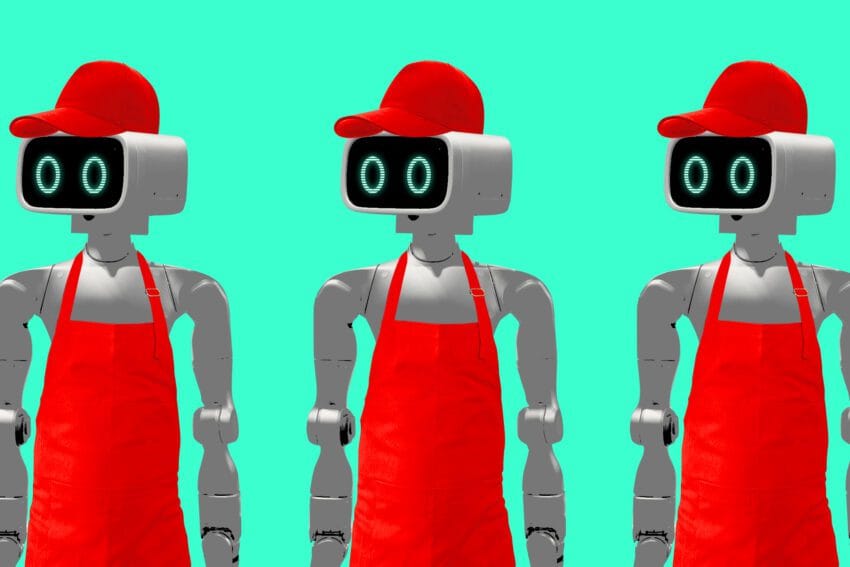
tech left teens fighting over scraps and As automation continues to advance, the landscape of entry-level jobs for teenagers is rapidly changing, raising concerns about the future of youth employment.
tech left teens fighting over scraps and
The Rise of Automation in Retail
In recent years, the retail sector has seen a significant shift towards automation, with robots increasingly taking on tasks traditionally performed by human workers. For instance, in Japan, robots are already stocking convenience store shelves, a trend that is expected to make its way to the United States soon. While major retailers like Walmart have previously experimented with shelf-scanning robots, they abandoned these initiatives in 2020. However, advancements in machine vision and artificial intelligence (AI) suggest that the time is ripe for a renewed push towards automation in American retail.
The Impact on Teen Employment
The implications of this technological shift are profound, particularly for teenagers seeking part-time work. Historically, jobs in retail, fast food, and other service sectors have provided young people with their first employment experiences. These positions not only offer financial independence but also teach essential skills such as customer service, teamwork, and time management. However, as automation becomes more prevalent, the availability of these entry-level jobs is dwindling.
According to recent studies, the number of jobs available for teenagers has decreased significantly over the past few decades. In the 1980s, nearly 50% of teenagers were employed during the summer months. By 2020, that figure had dropped to around 30%. This decline can be attributed to several factors, including the rise of automation, changes in consumer behavior, and the increasing focus on academic achievement among young people.
Automation and Its Implications for the Job Market
As robots and AI systems become more capable, they are increasingly taking over tasks that were once the domain of human workers. This trend is not limited to retail; it extends to various industries, including manufacturing, transportation, and even healthcare. The implications for the job market are significant:
- Job Displacement: As machines take over routine tasks, many low-skilled jobs are at risk of being eliminated. This is particularly concerning for teenagers, who often rely on these positions to gain work experience.
- Skill Gaps: The jobs that remain may require more advanced skills, creating a gap between the skills possessed by many young workers and those demanded by employers. This can lead to increased unemployment rates among teenagers.
- Economic Inequality: The shift towards automation may exacerbate economic inequality, as those with higher education and specialized skills are better positioned to thrive in an automated economy.
Stakeholder Reactions
The reactions to the rise of automation are varied among different stakeholders. Employers often view automation as a way to increase efficiency and reduce labor costs. For instance, many fast-food chains are exploring the use of robots for tasks such as cooking and serving food. While this can lead to lower prices for consumers, it also raises questions about the future of low-wage jobs.
On the other hand, labor advocates express concern about the potential loss of jobs for young workers. They argue that entry-level positions are crucial for building a foundation for future employment and that the disappearance of these roles could have long-term consequences for the workforce. Additionally, there are fears that automation could lead to a generation of young people who are unable to gain the skills and experience necessary to succeed in the job market.
Adapting to a Changing Job Landscape
As the job market evolves, it is essential for both young workers and educators to adapt to the changing landscape. Here are some strategies that can help:
1. Emphasizing Skills Development
To prepare for a future where automation is prevalent, young people must focus on developing skills that are less likely to be automated. This includes:
- Critical Thinking: The ability to analyze information and make informed decisions is a skill that machines struggle to replicate.
- Creativity: Creative problem-solving and innovation are essential in a rapidly changing world.
- Emotional Intelligence: Skills related to interpersonal communication and empathy are increasingly valuable in the workplace.
2. Exploring New Opportunities
While traditional entry-level jobs may be declining, new opportunities are emerging in fields related to technology and automation. Young people should consider exploring careers in:
- Technology: Roles in software development, data analysis, and cybersecurity are in high demand.
- Healthcare: The healthcare sector continues to grow, offering various opportunities for young workers.
- Green Jobs: As the world shifts towards sustainability, careers in renewable energy and environmental conservation are becoming increasingly relevant.
3. Lifelong Learning
In an era of rapid technological change, the concept of lifelong learning is more important than ever. Young people should embrace opportunities for continuous education and skill development, whether through formal education, online courses, or vocational training programs. This commitment to learning will help them stay competitive in a job market that is constantly evolving.
The Future of Work for Teens
The future of work for teenagers is uncertain, but it is clear that the rise of automation will continue to shape the job market. While the decline of traditional entry-level jobs poses challenges, it also presents opportunities for young people to adapt and thrive in new roles. As technology continues to advance, it is crucial for educators, employers, and policymakers to work together to ensure that the next generation is equipped with the skills and knowledge necessary to succeed in an automated world.
In conclusion, the increasing prevalence of automation in the job market raises significant questions about the future of youth employment. As robots take on tasks once performed by human workers, teenagers must navigate a changing landscape that presents both challenges and opportunities. By focusing on skills development, exploring new career paths, and committing to lifelong learning, young people can position themselves for success in a world where technology plays an ever-increasing role.
Source: Original report
Was this helpful?
Explore more: AI Automation Services More AI & Automation Tech News
Last Modified: October 25, 2025 at 11:36 pm
16 views