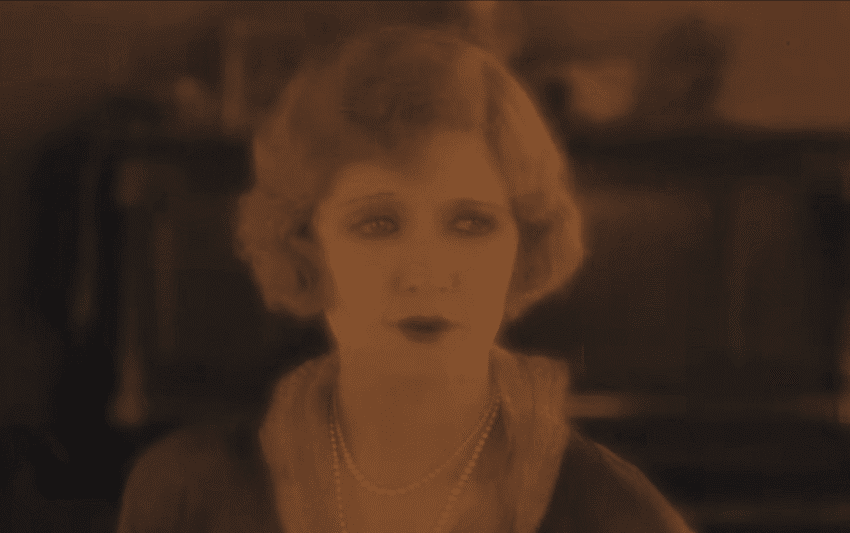
tattle tv has turned a hitchcock classic Tattle TV has introduced a unique adaptation of Alfred Hitchcock’s classic silent film, “The Lodger: A Story of the London Fog,” transforming it into a vertical video microdrama format.
tattle tv has turned a hitchcock classic
Introduction to Tattle TV
Tattle TV is a UK-based streaming platform that has emerged as a notable player in the realm of microdrama. Founded by filmmakers Philip McGoldrick and Marina Elderton, the platform aims to cater to the evolving preferences of modern audiences who consume content primarily on their mobile devices. Unlike traditional streaming services that focus on long-form content, Tattle TV specializes in bite-sized series designed specifically for vertical viewing.
Innovative Approach to Classic Cinema
While many microdrama apps have concentrated on producing original series, Tattle TV has taken a different approach by delving into cinematic history. The platform’s latest offering is a vertically oriented edit of Alfred Hitchcock’s “The Lodger,” a film that has been influential in the thriller genre. Released in 1927, “The Lodger” is often regarded as one of Hitchcock’s early masterpieces, showcasing his innovative storytelling techniques and visual style.
The decision to adapt a silent film into a modern format reflects Tattle TV’s commitment to making classic cinema accessible to a new generation. By reimagining “The Lodger” for mobile viewing, Tattle TV not only preserves the film’s essence but also introduces it to audiences who may not typically engage with silent films.
The Concept of Microdrama
Microdrama is a relatively new genre that has gained traction in recent years, particularly with the rise of mobile viewing habits. These short, episodic narratives are designed to be consumed quickly, often in under ten minutes. Tattle TV’s approach to microdrama involves breaking down longer films into digestible segments, making it easier for viewers to engage with the content during their busy lives.
Content Structure and User Experience
Tattle TV’s content is structured to maximize viewer engagement. Each episode of “The Lodger” is divided into short segments, allowing users to watch at their convenience. This format caters to the modern viewer’s preference for quick, easily consumable content. The vertical video format further enhances the user experience, as it aligns with how most people naturally hold their smartphones.
In addition to “The Lodger,” Tattle TV offers a variety of other content, including a reality dating series featuring dog owners and a contemporary drama centered around a female MMA fighter. This diverse range of programming is designed to appeal to a broad audience, ensuring that there is something for everyone on the platform.
Background on “The Lodger” and Its Significance
Alfred Hitchcock’s “The Lodger” is a pivotal film in the history of cinema. It tells the story of a mysterious lodger who arrives at a London boarding house, coinciding with a series of murders that have the city on edge. The film is notable for its exploration of themes such as suspicion, paranoia, and the nature of evil, all of which are hallmarks of Hitchcock’s later works.
The film’s silent format allows for a unique storytelling experience, relying heavily on visual cues and expressions to convey emotion and tension. This aspect of “The Lodger” makes it particularly well-suited for adaptation into a microdrama format, as the visual storytelling can be enhanced through modern editing techniques and sound design.
Hitchcock’s Influence on Modern Filmmaking
Hitchcock’s influence on the thriller genre is undeniable. His innovative techniques, such as the use of suspense, psychological depth, and complex characters, have shaped the way stories are told in film. By adapting “The Lodger” into a microdrama, Tattle TV not only pays homage to Hitchcock’s legacy but also demonstrates how classic narratives can be reinterpreted for contemporary audiences.
Implications for the Film Industry
The adaptation of “The Lodger” into a vertical microdrama raises several important questions about the future of film and content consumption. As audiences increasingly turn to mobile devices for entertainment, traditional filmmakers may need to reconsider how they present their work. Tattle TV’s approach could serve as a model for other platforms looking to bridge the gap between classic cinema and modern viewing habits.
Potential for Broader Audience Engagement
By reimagining classic films in a format that appeals to younger viewers, Tattle TV has the potential to engage a broader audience. Many individuals may feel intimidated by silent films or classic cinema in general, viewing them as outdated or inaccessible. However, by presenting these works in a more relatable format, Tattle TV can help demystify classic films and encourage new viewers to explore the genre.
Stakeholder Reactions
The response to Tattle TV’s adaptation of “The Lodger” has been mixed, reflecting the diverse opinions within the film community. Some critics have praised the initiative as a bold step toward revitalizing interest in classic cinema, while others have expressed concerns about the potential dilution of the original work’s artistic integrity.
Support from Filmmakers and Critics
Many filmmakers and critics have lauded Tattle TV’s efforts to adapt classic films for modern audiences. They argue that this approach not only preserves the legacy of influential works but also encourages a new generation of filmmakers to explore the roots of their craft. By engaging with the foundational texts of cinema, emerging filmmakers can gain a deeper understanding of storytelling techniques and visual language.
Concerns About Artistic Integrity
Conversely, some critics have raised concerns about the implications of reformatting classic films. They argue that altering the original work’s presentation may compromise its artistic integrity. Silent films, in particular, rely heavily on their visual storytelling and the context of their time. Critics worry that by adapting these films into bite-sized segments, important nuances and cultural significance may be lost.
The Future of Tattle TV and Microdrama
As Tattle TV continues to explore the intersection of classic cinema and modern viewing habits, the platform’s future appears promising. The success of “The Lodger” could pave the way for additional adaptations of other classic films, further expanding the platform’s library and audience reach.
Expanding the Library
In addition to “The Lodger,” Tattle TV may consider adapting other iconic films from various genres. By curating a diverse selection of classic cinema, the platform can cater to a wide range of interests and preferences. This strategy not only enhances the viewing experience but also positions Tattle TV as a leader in the microdrama space.
Potential Collaborations and Partnerships
To further enhance its offerings, Tattle TV may explore collaborations with film schools, preservation societies, and other organizations dedicated to the promotion of classic cinema. Such partnerships could provide valuable resources and expertise, allowing Tattle TV to create high-quality adaptations that respect the original works while appealing to contemporary audiences.
Conclusion
Tattle TV’s adaptation of “The Lodger: A Story of the London Fog” represents a significant step in the evolution of content consumption. By transforming a classic silent film into a vertical microdrama, the platform not only preserves Hitchcock’s legacy but also engages a new generation of viewers. As the film industry continues to adapt to changing audience preferences, Tattle TV’s innovative approach may serve as a blueprint for the future of cinema.
Source: Original report
Was this helpful?
Last Modified: January 27, 2026 at 12:55 pm
0 views