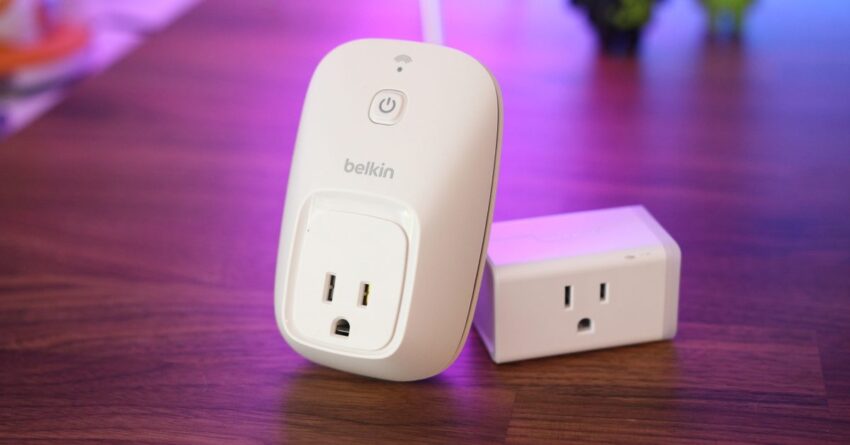
belkin reminds users that its wemo smart Belkin has announced that its Wemo smart home products will be shutting down this week, marking a significant moment in the evolution of smart home technology.
belkin reminds users that its wemo smart
Overview of Wemo Products
Wemo, a brand owned by Belkin, has been a notable player in the smart home market since its inception. Launched in 2012, Wemo products were among the first to offer consumers the ability to control their home devices remotely via smartphone applications. The product line includes smart plugs, light switches, and cameras, all designed to enhance home automation and energy efficiency.
Wemo’s initial appeal lay in its user-friendly interface and compatibility with various smart home ecosystems, including Apple HomeKit, Amazon Alexa, and Google Assistant. This versatility allowed users to integrate Wemo devices seamlessly into their existing smart home setups, making them a popular choice for early adopters of smart technology.
Reasons for the Shutdown
Despite their early success, Wemo products have faced increasing competition from other smart home brands, which have introduced more advanced features and better integration capabilities. As technology continues to evolve, consumer expectations have shifted, leading to a decline in demand for Wemo’s older product lines.
Belkin’s decision to shut down Wemo products can be attributed to several factors:
- Technological Advancements: The rapid pace of innovation in the smart home sector has rendered many older devices obsolete. Newer products often come equipped with advanced features such as enhanced security protocols, improved energy efficiency, and better integration with artificial intelligence.
- Market Competition: Brands like Philips Hue, Ring, and Nest have gained significant market share by offering more comprehensive smart home solutions. These competitors have invested heavily in research and development, resulting in products that better meet consumer needs.
- Consumer Preferences: As consumers become more tech-savvy, they are increasingly looking for products that offer seamless integration and advanced functionality. Wemo’s older products may not meet these evolving expectations.
Impact on Users
The shutdown of Wemo products will have a direct impact on existing users who rely on these devices for home automation. Many users have integrated Wemo products into their daily routines, using them to control lighting, manage energy consumption, and enhance home security.
Belkin has communicated to its users that the shutdown will affect the functionality of Wemo devices. Users will no longer be able to control their devices through the Wemo app, and any automation routines set up will cease to function. This abrupt discontinuation can be particularly disruptive for users who have invested time and resources into creating a smart home ecosystem centered around Wemo products.
Transition Options for Users
For users affected by the shutdown, transitioning to alternative smart home products may be necessary. Several options are available:
- Switching to Competing Brands: Users may consider brands like TP-Link Kasa, Philips Hue, or Lutron, which offer similar products with modern features and robust support.
- Upgrading to Newer Technology: Investing in newer smart home technology can provide users with enhanced capabilities, such as better security features, voice control, and integration with smart assistants.
- Consulting Smart Home Experts: For those unsure about the best options, consulting with smart home experts can provide tailored recommendations based on individual needs and preferences.
Stakeholder Reactions
The announcement of the Wemo shutdown has elicited a range of reactions from stakeholders, including consumers, industry analysts, and competitors.
Consumer Sentiment
Many consumers have expressed disappointment over the discontinuation of Wemo products. Long-time users have invested in the ecosystem, and the sudden loss of functionality raises concerns about the longevity and reliability of smart home technology as a whole. Some users have taken to social media to voice their frustrations, highlighting the challenges of transitioning to new products and the potential loss of investment.
Industry Analysts
Industry analysts have noted that the shutdown reflects broader trends in the smart home market. As technology evolves, companies must adapt to changing consumer preferences and competitive pressures. Analysts suggest that Belkin’s decision to discontinue Wemo products may be a strategic move to focus resources on developing new, innovative products that align with current market demands.
Competitor Perspectives
Competitors in the smart home space may view the Wemo shutdown as an opportunity to capture market share. Brands that offer similar products may seek to attract Wemo users by emphasizing their own product advantages, such as better integration, enhanced features, or superior customer support. This competitive landscape underscores the importance of continuous innovation in the smart home sector.
Future of Smart Home Technology
The closure of Wemo products raises questions about the future of smart home technology. As the market continues to evolve, several trends are likely to shape the landscape:
Increased Focus on Security
With the rise of smart home devices, security has become a paramount concern for consumers. Future smart home products are expected to prioritize robust security features, including encryption, two-factor authentication, and regular software updates to protect against vulnerabilities.
Integration with Artificial Intelligence
As artificial intelligence continues to advance, smart home devices will likely become more intuitive and responsive. Future products may leverage AI to learn user preferences and automate tasks more effectively, creating a seamless user experience.
Interoperability Among Devices
Consumers increasingly desire devices that can work together seamlessly, regardless of brand. The push for interoperability will drive manufacturers to adopt common standards and protocols, enabling users to create a cohesive smart home ecosystem.
Conclusion
The impending shutdown of Belkin’s Wemo smart home products marks a significant moment in the evolution of smart home technology. While the decision reflects the challenges faced by older products in a rapidly changing market, it also highlights the importance of innovation and adaptability in the tech industry. As consumers navigate the transition away from Wemo, they will need to explore alternative solutions that meet their smart home needs. The future of smart home technology promises exciting advancements, but it also underscores the necessity for companies to stay ahead of consumer expectations and market trends.
Source: Original report
Was this helpful?
Explore more: More Consumer Technology Tech News Blog
Last Modified: January 27, 2026 at 1:54 pm
30 views