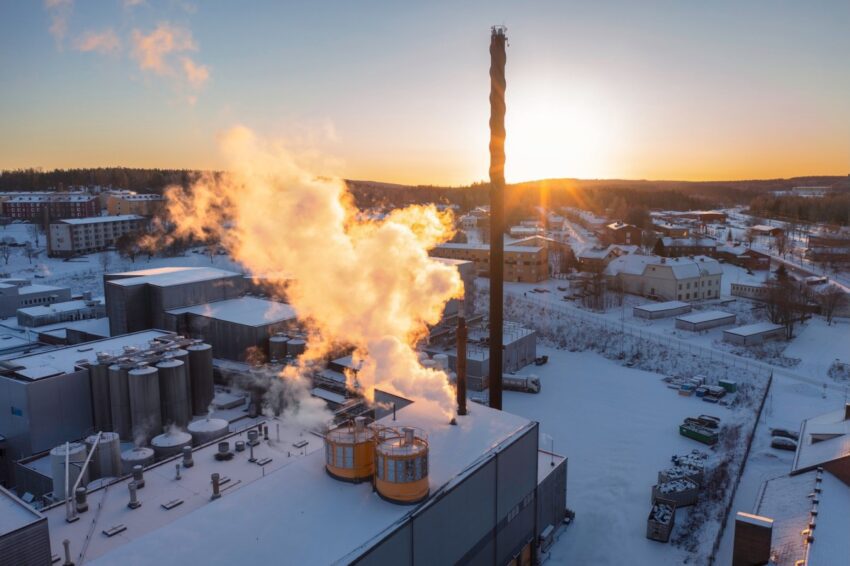
sweden blames russian hackers for attempting destructive Sweden has accused Russian hackers of orchestrating a significant cyberattack aimed at a thermal plant, raising concerns about the increasing frequency and severity of cyber threats in Europe.
sweden blames russian hackers for attempting destructive
Background of the Incident
On April 15, 2026, Sweden’s Minister for Civil Defense, Carl-Oskar Bohlin, publicly stated that Russian hackers are “now attempting destructive cyber attacks against organizations in Europe.” This alarming announcement highlights a growing trend of cyber warfare, particularly as geopolitical tensions continue to escalate in the region. The targeted thermal plant plays a crucial role in Sweden’s energy infrastructure, making it a strategic target for cybercriminals.
The incident marks a significant escalation in cyber hostilities, particularly given the ongoing conflict in Ukraine and the broader geopolitical landscape involving Russia and Western nations. Cyberattacks have increasingly become a tool for state-sponsored actors to disrupt critical infrastructure, steal sensitive information, and sow discord among nations.
The Nature of the Cyberattack
While specific details about the cyberattack on the thermal plant remain limited, experts suggest that the attack was designed to be destructive rather than merely disruptive. This distinction is critical, as destructive attacks can lead to physical damage to infrastructure, potentially resulting in widespread outages and safety hazards.
According to cybersecurity analysts, such attacks often involve sophisticated techniques, including malware deployment, phishing schemes, and advanced persistent threats (APTs). The intent is not only to disrupt operations but also to inflict long-term damage that can take considerable time and resources to repair.
Potential Impacts on Energy Security
Energy security is a paramount concern for any nation, and Sweden is no exception. The thermal plant targeted in this incident is part of a broader network of energy facilities that supply power to millions of households and businesses. A successful cyberattack could have cascading effects, leading to power outages, economic disruption, and even endangering public safety.
In recent years, European nations have increasingly recognized the vulnerability of their energy infrastructure to cyber threats. The European Union has initiated various measures to bolster cybersecurity across member states, but the effectiveness of these initiatives is continually tested by the evolving tactics of cybercriminals.
Reactions from Swedish Officials
Following the announcement of the cyberattack, Swedish officials have expressed grave concerns about the implications for national security. Minister Bohlin emphasized the need for heightened vigilance and cooperation among European nations to combat these threats. He stated, “We must work together to strengthen our defenses against these malicious actors who seek to undermine our stability.”
In addition to government officials, cybersecurity experts have weighed in on the situation. Many have called for increased investment in cybersecurity measures, including advanced threat detection systems and employee training programs to mitigate the risks associated with human error.
International Response
The international community has been closely monitoring the situation, particularly given the implications for global cybersecurity. NATO, which includes Sweden as a partner nation, has reiterated its commitment to collective defense against cyber threats. In a statement, NATO Secretary-General Jens Stoltenberg noted, “Cyberattacks are a growing threat to our security, and we must be prepared to respond decisively.”
Furthermore, the European Union has convened emergency meetings to discuss the implications of the attack and potential coordinated responses. The EU has been proactive in addressing cybersecurity challenges, but the frequency of attacks has raised questions about the adequacy of current measures.
Historical Context of Cyberattacks in Europe
The incident in Sweden is not an isolated event but rather part of a broader pattern of cyberattacks targeting European nations. In recent years, several high-profile attacks have underscored the vulnerabilities of critical infrastructure. For example, the 2020 cyberattack on the German software company SolarWinds affected numerous government agencies and corporations, demonstrating the far-reaching consequences of such breaches.
Moreover, the 2021 ransomware attack on the Colonial Pipeline in the United States serves as a stark reminder of the potential for cyberattacks to disrupt essential services. As nations grapple with the implications of these incidents, the need for robust cybersecurity frameworks has never been more pressing.
The Role of State-Sponsored Cybercriminals
State-sponsored cybercriminals, often linked to nation-states, pose a unique challenge in the realm of cybersecurity. These actors are typically well-funded and equipped with advanced tools and techniques, making them formidable adversaries. In the case of the recent attack on Sweden’s thermal plant, the attribution to Russian hackers aligns with a broader pattern of cyber aggression attributed to the Russian government.
Experts suggest that such attacks are often politically motivated, aimed at destabilizing nations or retaliating against perceived adversaries. The implications for international relations are significant, as nations must navigate the delicate balance between responding to cyber threats and avoiding escalation into open conflict.
Implications for Future Cybersecurity Strategies
The recent cyberattack on Sweden’s thermal plant serves as a wake-up call for nations worldwide. As cyber threats continue to evolve, so too must the strategies employed to combat them. Several key areas warrant attention:
- Investment in Cybersecurity Infrastructure: Governments and organizations must prioritize funding for cybersecurity measures, including advanced threat detection systems, incident response teams, and employee training programs.
- International Collaboration: Cybersecurity is a global issue that requires coordinated efforts among nations. Establishing frameworks for information sharing and joint response initiatives can enhance collective security.
- Public Awareness Campaigns: Educating the public about cybersecurity risks and best practices is essential for reducing vulnerabilities. Increased awareness can help individuals and organizations recognize potential threats and take proactive measures.
Conclusion
The accusation against Russian hackers for attempting a destructive cyberattack on a thermal plant in Sweden underscores the urgent need for enhanced cybersecurity measures across Europe. As nations grapple with the implications of this incident, it is clear that the threat landscape is evolving, requiring a proactive and collaborative approach to safeguard critical infrastructure.
As the situation develops, stakeholders from government, industry, and academia must come together to address the challenges posed by cyber threats. The future of cybersecurity will depend on our ability to adapt, innovate, and respond effectively to the ever-changing landscape of cyber warfare.
Source: Original report
Was this helpful?
Explore more: Application Audit & Review More Cybersecurity Tech News
Last Modified: April 15, 2026 at 8:36 pm
16 views