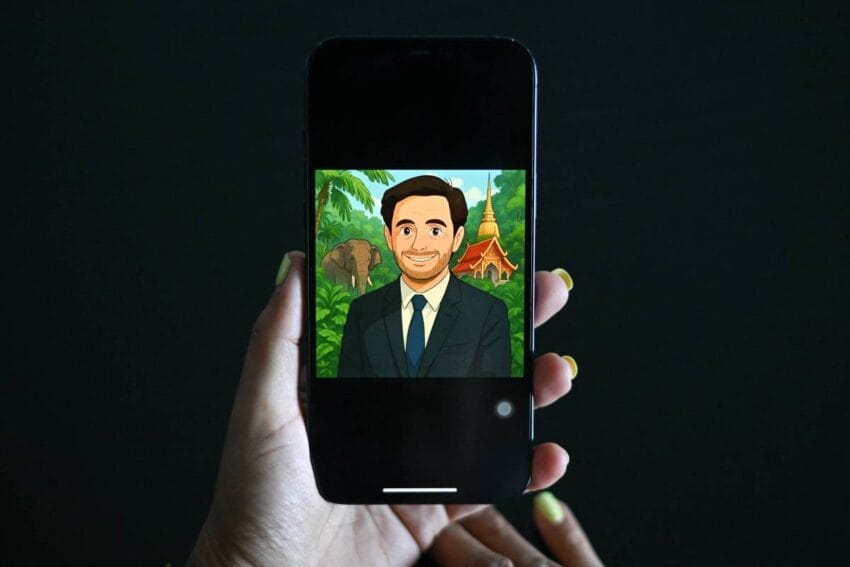
studio ghibli and other japanese publishers want Studio Ghibli and several other prominent Japanese publishers have formally requested that OpenAI cease using their copyrighted works for training its artificial intelligence models.
studio ghibli and other japanese publishers want
Background on OpenAI’s Practices
OpenAI, a leading artificial intelligence research organization, has been at the forefront of developing advanced AI models, including the widely recognized ChatGPT. A notable aspect of OpenAI’s strategy has been its approach to utilizing copyrighted materials. The organization has often been characterized by its philosophy of “asking for forgiveness rather than permission.” This means that OpenAI frequently incorporates various forms of content, including literature, art, and other media, into its training datasets without obtaining explicit consent from the copyright holders.
This practice has raised significant concerns among creators and publishers, particularly in the realm of intellectual property rights. As AI technologies continue to evolve, the implications of using copyrighted materials without permission have become a focal point of debate within the creative industries.
Studio Ghibli’s Position
Studio Ghibli, renowned for its animated films such as “Spirited Away” and “My Neighbor Totoro,” has taken a strong stance against OpenAI’s practices. The studio, along with other Japanese publishers, has expressed its discontent over the unauthorized use of their works in AI training. In a public statement, Studio Ghibli emphasized the importance of protecting intellectual property and the rights of creators.
Ghibli’s films are not only beloved in Japan but have also garnered international acclaim, making the studio a significant player in the global film industry. The studio’s unique storytelling and artistic style have set a high standard for animated films, and it is concerned that the unauthorized use of its content could dilute its brand and undermine the value of its creative output.
Legal and Ethical Considerations
The legal landscape surrounding AI and copyright is complex and evolving. Copyright law traditionally protects the rights of creators by granting them exclusive control over the reproduction and distribution of their works. However, the rise of AI technologies has introduced new challenges in interpreting these laws.
One of the primary legal questions is whether the use of copyrighted materials for training AI models constitutes fair use. Fair use is a legal doctrine that allows for limited use of copyrighted material without permission under certain circumstances. However, the application of fair use in the context of AI training remains largely untested in courts, leading to uncertainty for both creators and AI developers.
Ethically, the situation raises questions about the responsibilities of AI companies. Critics argue that using copyrighted works without permission undermines the rights of creators and could lead to a culture where intellectual property is devalued. Advocates for stronger protections for creators argue that AI companies should seek explicit consent before using copyrighted materials, fostering a more respectful and equitable relationship between technology and creativity.
Reactions from Other Publishers
Studio Ghibli is not alone in its concerns. Other Japanese publishers have joined the call for OpenAI to halt its use of copyrighted works. This collective response highlights a growing unease within the publishing and entertainment industries regarding the implications of AI on intellectual property rights.
Publishers have expressed fears that the unauthorized use of their content could lead to a loss of revenue and control over their intellectual property. The rise of AI-generated content poses a threat to traditional publishing models, as AI can produce text, images, and other media that may compete with human-created works.
Implications for the Creative Industry
The implications of this dispute extend beyond the immediate concerns of copyright infringement. As AI technologies become increasingly integrated into various aspects of society, the relationship between creators and technology companies will likely evolve. The outcome of this situation could set important precedents for how AI companies interact with copyrighted content in the future.
For creators, the ability to protect their works is paramount. If AI companies continue to use copyrighted content without permission, it could lead to a chilling effect on creativity, where creators may be less inclined to produce new works for fear of their content being co-opted by AI systems. This could stifle innovation and limit the diversity of voices within the creative landscape.
Potential Solutions and Future Directions
As the debate continues, various stakeholders are exploring potential solutions to address the concerns raised by creators like Studio Ghibli. One approach is the establishment of clearer guidelines and frameworks for the use of copyrighted materials in AI training. This could involve creating licensing agreements that allow AI companies to use specific works in exchange for compensation or credit to the original creators.
Another possible solution is the development of AI models that are trained on non-copyrighted or public domain materials. By focusing on content that is free to use, AI companies could mitigate the risks associated with copyright infringement while still advancing their technologies.
Industry Collaboration
Collaboration between the technology and creative sectors may also play a crucial role in finding a resolution. By engaging in open dialogues, both sides can better understand each other’s perspectives and work towards mutually beneficial solutions. This could involve partnerships between AI developers and content creators to explore innovative ways to integrate AI into the creative process without infringing on intellectual property rights.
Conclusion
The ongoing dispute between Studio Ghibli, other Japanese publishers, and OpenAI underscores the complexities of copyright law in the age of artificial intelligence. As AI technologies continue to advance, the need for clear guidelines and ethical standards becomes increasingly urgent. The outcome of this situation could have far-reaching implications for the future of creativity and technology, shaping how creators and AI companies interact in the years to come.
As stakeholders navigate this evolving landscape, the importance of protecting intellectual property rights while fostering innovation cannot be overstated. The resolution of this dispute may serve as a critical turning point in defining the relationship between AI and the creative industries.
Source: Original report
Was this helpful?
Explore more: AI Automation Services More AI & Automation Tech News
Last Modified: November 4, 2025 at 8:38 am
9 views