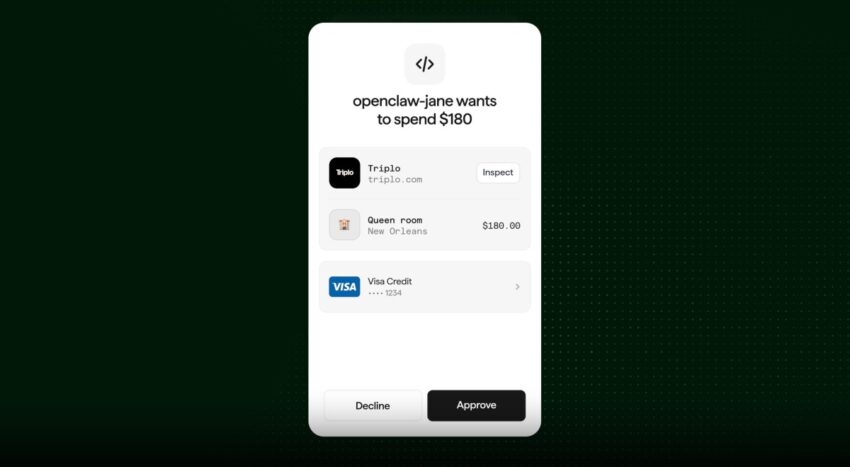
stripe introduces link a digital wallet that Stripe has unveiled Link, a groundbreaking digital wallet designed to facilitate secure transactions not only for human users but also for autonomous AI agents.
stripe introduces link a digital wallet that
Overview of Stripe Link
Stripe Link is a digital wallet that allows users to connect various payment methods, including credit and debit cards, bank accounts, and subscription services. This innovative platform is designed to streamline the purchasing process, making it easier for users to manage their financial transactions. One of the standout features of Link is its ability to authorize AI agents to conduct transactions on behalf of users, introducing a new level of convenience and efficiency in online shopping.
Key Features of Stripe Link
Stripe Link offers several key features that set it apart from traditional digital wallets:
- Multi-Method Connectivity: Users can link multiple payment methods, allowing for flexibility in how they choose to pay.
- AI Agent Authorization: Users can grant permission to AI agents to make purchases, which can be particularly useful for managing subscriptions or recurring payments.
- Secure Approval Flows: The platform includes robust security measures to ensure that all transactions are authorized and secure, protecting users from unauthorized spending.
- User-Friendly Interface: Stripe Link is designed with a focus on user experience, making it easy for users to navigate and manage their accounts.
The Role of AI in Digital Transactions
The integration of AI agents into the purchasing process represents a significant shift in how consumers interact with digital wallets. Traditionally, online transactions have been conducted solely by human users, but the rise of AI technology has opened up new possibilities. With Stripe Link, users can delegate certain purchasing tasks to AI agents, which can operate autonomously to make decisions based on pre-set criteria.
How AI Agents Work with Stripe Link
AI agents can be programmed to perform a variety of tasks within the Stripe Link ecosystem. For instance, users can set parameters for their AI agents to follow when making purchases:
- Budget Constraints: Users can specify a maximum spending limit for their AI agents, ensuring that they stay within budget.
- Preferred Vendors: Users can instruct their AI agents to prioritize certain vendors or brands, streamlining the shopping experience.
- Subscription Management: AI agents can handle recurring payments for subscriptions, automatically renewing services as needed.
This level of automation not only saves time for users but also enhances the overall shopping experience by reducing the friction often associated with online transactions.
Security Measures in Stripe Link
Given the increasing concerns around online security and fraud, Stripe has implemented several measures to ensure that transactions conducted through Link are secure. The platform employs advanced encryption protocols to protect user data and transaction details. Additionally, the approval flow for AI agents adds an extra layer of security, as users must authorize any spending before it occurs.
Approval Flows Explained
The approval flow mechanism is a crucial component of Stripe Link’s security framework. Here’s how it works:
- Transaction Initiation: When an AI agent identifies a potential purchase, it initiates a transaction request.
- User Notification: The user receives a notification detailing the transaction, including the amount and vendor.
- Approval or Denial: The user can approve or deny the transaction through the Stripe Link interface.
- Transaction Completion: If approved, the transaction is completed; if denied, the AI agent is notified to seek alternative options.
This process ensures that users maintain control over their finances while benefiting from the efficiency of AI-driven transactions.
Implications for E-Commerce
The introduction of Stripe Link has significant implications for the e-commerce landscape. As more consumers adopt AI agents for shopping, businesses may need to adapt their strategies to accommodate this new form of transaction. Here are some potential impacts:
- Increased Efficiency: E-commerce platforms may see faster transaction times as AI agents streamline the purchasing process.
- Higher Conversion Rates: With AI agents handling purchases, businesses could experience higher conversion rates as consumers are less likely to abandon their carts.
- New Marketing Strategies: Companies may need to develop targeted marketing strategies aimed at AI agents, focusing on how their products align with user preferences.
Challenges for Businesses
While the benefits of Stripe Link are apparent, businesses may also face challenges as they adapt to this new technology:
- Understanding AI Behavior: Businesses will need to analyze how AI agents make purchasing decisions to effectively market their products.
- Security Concerns: Companies must ensure that their systems are secure enough to handle transactions initiated by AI agents, as any security breach could lead to significant financial losses.
- Regulatory Compliance: As AI technology evolves, businesses will need to stay informed about regulations governing AI transactions to ensure compliance.
Stakeholder Reactions
The launch of Stripe Link has garnered a range of reactions from stakeholders across the tech and e-commerce sectors. Many industry experts view this development as a natural progression in the evolution of digital wallets and AI technology.
Positive Reception from Tech Experts
Tech analysts have praised Stripe for its innovative approach to integrating AI into the purchasing process. The ability for AI agents to handle transactions is seen as a significant advancement that could redefine consumer behavior in e-commerce. Experts believe that this could lead to a more personalized shopping experience, as AI agents learn user preferences over time.
Concerns from Privacy Advocates
On the other hand, privacy advocates have raised concerns about the implications of AI agents managing financial transactions. There are fears that this could lead to increased surveillance and data collection, as AI agents may require access to sensitive user information to function effectively. Advocates are calling for clear guidelines and regulations to protect consumer privacy in this new landscape.
The Future of Digital Wallets
The introduction of Stripe Link marks a pivotal moment in the evolution of digital wallets. As technology continues to advance, the integration of AI into financial transactions is likely to become more commonplace. This shift could lead to a transformation in how consumers approach online shopping, with AI agents taking on a more prominent role in managing purchases.
Potential Developments
Looking ahead, several potential developments could arise from the adoption of Stripe Link and similar technologies:
- Enhanced Personalization: As AI agents become more sophisticated, they may offer increasingly personalized shopping experiences tailored to individual user preferences.
- Integration with Other Technologies: Future iterations of digital wallets may integrate with other emerging technologies, such as augmented reality and virtual reality, to create immersive shopping experiences.
- Broader Adoption of AI in Commerce: The success of Stripe Link could encourage other companies to explore AI-driven solutions for their own payment systems, leading to widespread adoption across the industry.
Conclusion
Stripe Link represents a significant advancement in the realm of digital wallets, combining the convenience of online shopping with the efficiency of AI technology. As users embrace this new platform, it will be essential for businesses to adapt to the changing landscape of e-commerce. The implications of AI agents managing transactions are profound, offering both opportunities and challenges for stakeholders across the industry. As we move forward, the evolution of digital wallets like Stripe Link will undoubtedly shape the future of how we conduct financial transactions online.
Source: Original report
Was this helpful?
Explore more: AI Automation Services More AI & Automation Tech News
Last Modified: April 30, 2026 at 10:39 pm
13 views