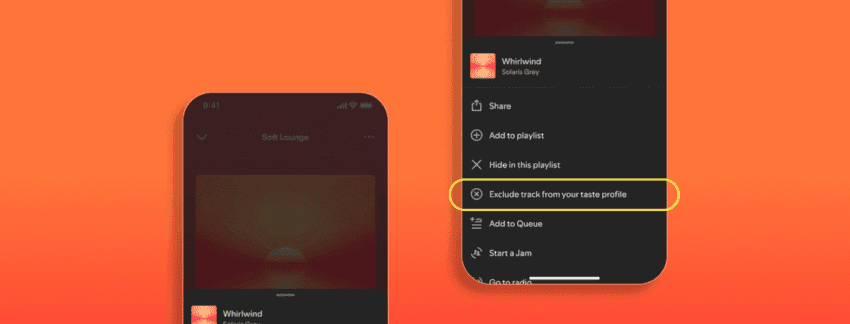
spotify now lets you exclude tracks from Spotify has introduced a new feature that allows users to exclude specific tracks from their taste profile, enhancing the accuracy of music recommendations.
spotify now lets you exclude tracks from
Introduction to Spotify’s New Feature
In an effort to refine its music recommendation system, Spotify has rolled out a feature that empowers users to exclude certain tracks from their taste profile. This innovative addition aims to improve the overall listening experience by ensuring that users receive recommendations that are more aligned with their preferences. By allowing users to filter out songs they do not enjoy, Spotify is addressing a common pain point for many music lovers: the frustration of receiving suggestions based on tracks that do not resonate with them.
The Mechanics of Exclusion
Spotify’s new feature is designed to be user-friendly. Users can easily navigate to their taste profile settings and select tracks they wish to exclude. This process is straightforward and intuitive, making it accessible even for those who may not be tech-savvy. Once a track is excluded, it will no longer influence the algorithm that generates personalized recommendations. This means that users can curate their listening experience more effectively, ensuring that their playlists and suggested songs reflect their true musical tastes.
How It Works
The exclusion feature operates on the principle of user autonomy. When a user decides to exclude a track, Spotify’s algorithm takes note of this preference and adjusts future recommendations accordingly. This is particularly beneficial for users who may have accidentally liked a song or who find that certain tracks do not align with their evolving musical tastes. By providing this level of control, Spotify is not only enhancing user satisfaction but also fostering a more personalized listening environment.
Implications for User Experience
The introduction of this feature has significant implications for user experience on the platform. Music recommendation systems are often criticized for their inability to accurately reflect individual preferences, leading to a disconnect between what users want to hear and what they are actually presented with. By allowing users to exclude tracks, Spotify is taking a proactive approach to address this issue.
Enhancing Personalization
Personalization is a key aspect of Spotify’s appeal. The platform has long been known for its ability to curate playlists and suggest new music based on user behavior. However, the effectiveness of these recommendations can be hindered by tracks that users do not enjoy. The new exclusion feature enhances this aspect of personalization by ensuring that the algorithm is not skewed by unwanted tracks. As a result, users can expect more relevant recommendations that align closely with their tastes.
Addressing User Frustration
Many users have expressed frustration with recommendation systems that fail to accurately reflect their preferences. This can lead to a negative listening experience, where users feel bombarded with suggestions that do not resonate with them. By introducing the ability to exclude tracks, Spotify is acknowledging this frustration and providing a solution. This move is likely to improve user satisfaction and retention, as listeners feel more empowered in their music discovery journey.
Stakeholder Reactions
The response to Spotify’s new feature has been largely positive, with users and industry experts alike praising the move. Many users have taken to social media to express their excitement about the increased control over their listening experience. The ability to exclude tracks is seen as a significant step forward in making music recommendations more relevant and enjoyable.
User Feedback
Initial user feedback indicates that the feature is well-received. Users appreciate the opportunity to tailor their taste profiles more closely to their preferences. Some have noted that they often find themselves skipping tracks that do not align with their musical tastes, and the ability to exclude these tracks will streamline their listening experience. This feedback highlights the importance of user-centric features in enhancing the overall appeal of the platform.
Industry Perspective
From an industry perspective, the introduction of the exclusion feature may set a precedent for other music streaming services. As competition in the streaming market intensifies, platforms are increasingly focusing on personalization as a key differentiator. Spotify’s move to allow users to exclude tracks could prompt other services to adopt similar features, ultimately benefiting consumers by providing them with more control over their listening experiences.
Contextualizing the Feature Within Spotify’s Ecosystem
Spotify has long been at the forefront of music streaming innovation. The platform has consistently introduced features aimed at enhancing user experience, from personalized playlists like Discover Weekly to collaborative playlists that allow friends to share music. The exclusion feature fits seamlessly into this ecosystem, reinforcing Spotify’s commitment to personalization and user empowerment.
Previous Personalization Efforts
Prior to the introduction of the exclusion feature, Spotify employed various algorithms to analyze user behavior and preferences. These algorithms take into account factors such as listening history, liked songs, and user-generated playlists to create tailored recommendations. However, the effectiveness of these algorithms can be compromised by tracks that users may have inadvertently liked or that no longer reflect their current tastes. The new exclusion feature addresses this limitation, allowing users to refine their taste profiles further.
Future Innovations
Looking ahead, it will be interesting to see how Spotify continues to innovate in the realm of music recommendations. The exclusion feature is a significant step, but it raises questions about what other enhancements could be made to further personalize the listening experience. For instance, could Spotify introduce more granular controls that allow users to filter recommendations based on specific genres, moods, or even lyrical themes? The possibilities are vast, and user feedback will likely play a crucial role in shaping future developments.
Conclusion
Spotify’s introduction of the ability to exclude tracks from taste profiles marks a significant advancement in the platform’s commitment to personalization. By empowering users to take control of their recommendations, Spotify is enhancing the overall listening experience and addressing common frustrations associated with music discovery. As the streaming landscape continues to evolve, this feature may not only improve user satisfaction but also set a new standard for personalization in the industry. With positive feedback from users and industry experts alike, Spotify is poised to maintain its position as a leader in music streaming innovation.
Source: Original report
Was this helpful?
Explore more: More Consumer Technology Tech News Blog
Last Modified: October 1, 2025 at 7:47 pm
11 views