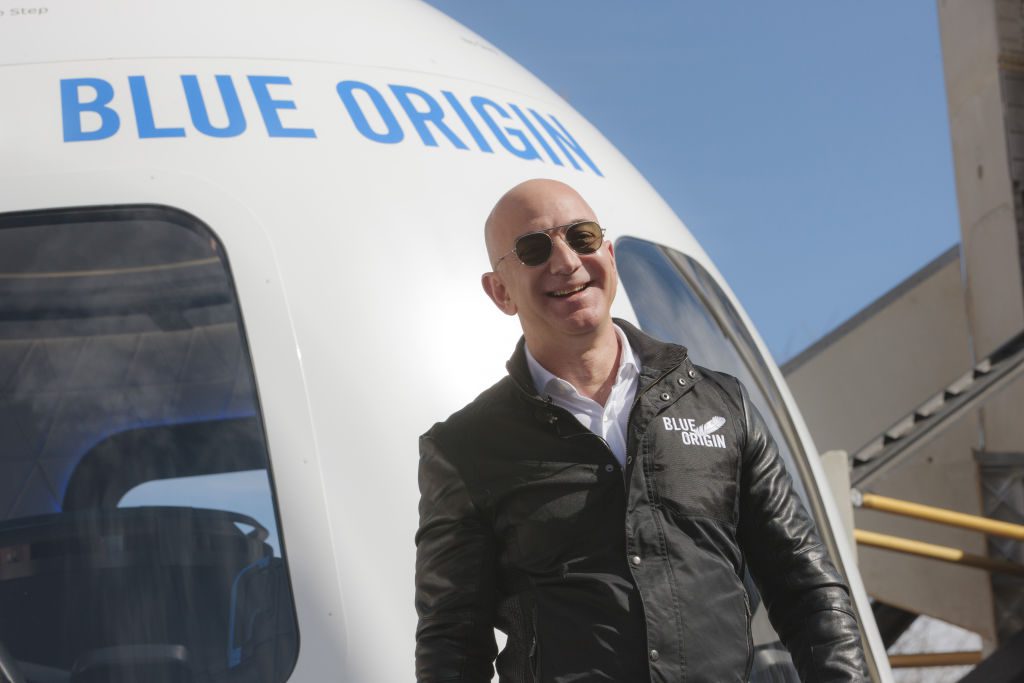
spacex s ipo could open the floodgates SpaceX’s potential initial public offering (IPO) is generating significant interest and could significantly impact the private equity landscape.
spacex s ipo could open the floodgates
Understanding SpaceX’s IPO Landscape
The conversation surrounding SpaceX’s IPO has intensified, raising questions about the implications for the broader market, particularly in the realm of private liquidity. With the company poised to potentially go public, investors are keenly observing how this move could reshape the dynamics of investing in late-stage private companies. To delve deeper into these developments, we consulted Greg Martin, managing director at Rainmaker Securities, a broker-dealer that specializes in secondary share transactions for late-stage private firms.
The Mechanics of Private Liquidity
Before a company goes public, it often operates in a private equity environment where liquidity can be limited. Private liquidity refers to the ability of investors to buy and sell shares of private companies before they are publicly traded. This market is crucial for investors looking to capitalize on their investments without waiting for a public offering.
According to Martin, the secondary market for private shares has been gaining traction, particularly as companies like SpaceX prepare for an IPO. “The secondary market allows investors to realize gains on their investments while providing liquidity to early investors and employees,” he explained. This mechanism is particularly relevant in the context of SpaceX, where the anticipation of an IPO has led to increased activity in secondary transactions.
Investor Sentiment and Market Trends
As the IPO chatter surrounding SpaceX grows, investor sentiment is shifting. Many are looking for opportunities to invest in pre-IPO giants that have demonstrated significant growth and innovation. Martin noted that investors are particularly interested in companies that have strong fundamentals, a clear path to profitability, and a robust market position.
“Investors are increasingly discerning,” Martin said. “They want to see a clear roadmap for growth and a sustainable business model before committing their capital.” This trend is evident in the heightened scrutiny that companies face as they approach the public markets.
SpaceX: A Case Study in Pre-IPO Dynamics
SpaceX, founded by Elon Musk in 2002, has revolutionized the aerospace industry with its ambitious goals, including reducing space transportation costs and enabling the colonization of Mars. The company has achieved numerous milestones, including the first privately-funded spacecraft to reach orbit and the first privately-funded spacecraft to dock with the International Space Station.
Given its track record, SpaceX has attracted significant investment, with its valuation reaching approximately $137 billion in its latest funding round. This valuation places SpaceX among the most valuable private companies globally, making it a prime candidate for an IPO.
Implications of SpaceX’s IPO
The potential IPO of SpaceX could have far-reaching implications for the market. For one, it could signal a new wave of public offerings from other high-profile private companies. Martin emphasized that SpaceX’s success in the public markets could encourage other late-stage companies to consider going public. “If SpaceX performs well post-IPO, it could open the floodgates for other companies in similar sectors,” he stated.
Moreover, the IPO could lead to increased liquidity in the secondary market. As more investors look to buy shares in SpaceX, the demand for secondary transactions is likely to rise. This could create a more vibrant market for private shares, benefiting both investors and companies seeking to provide liquidity to their stakeholders.
Investor Reactions and Market Sentiment
Investor reactions to the prospect of SpaceX’s IPO have been largely positive. Many see it as an opportunity to invest in a company that is at the forefront of technological innovation. However, there are also concerns regarding the volatility that can accompany IPOs, particularly in the tech sector.
“Investors are excited about the potential for high returns, but they are also aware of the risks involved,” Martin noted. “The tech IPO market can be unpredictable, and investors need to be prepared for fluctuations in stock prices.”
The Role of Secondary Markets
As the IPO landscape evolves, the role of secondary markets becomes increasingly important. Secondary markets allow investors to buy and sell shares of private companies, providing liquidity and enabling early investors to realize returns on their investments. This market has seen significant growth in recent years, driven by the increasing number of late-stage private companies seeking to provide liquidity to their stakeholders.
Martin highlighted that secondary transactions can serve as a barometer for investor sentiment. “The volume of secondary transactions often reflects the confidence investors have in a company’s prospects,” he explained. “If there is strong demand for secondary shares, it can indicate that investors believe in the company’s future growth.”
Current Trends in Secondary Share Transactions
The secondary market is currently experiencing a boom, with an increasing number of transactions taking place as investors seek to capitalize on their investments before companies go public. This trend is particularly pronounced in the technology sector, where companies like SpaceX are attracting significant attention.
“We’re seeing a lot of activity in the secondary market, especially for companies that are on the verge of going public,” Martin noted. “Investors are eager to get in on the action and are willing to pay a premium for shares.”
Looking Ahead: The Future of SpaceX and the IPO Market
The future of SpaceX and its potential IPO remains a topic of intense speculation. As the company continues to innovate and expand its operations, investors are closely monitoring its progress. The successful launch of the Starship spacecraft and ongoing contracts with NASA and other entities further bolster its position in the market.
Martin emphasized that the trajectory of SpaceX will likely influence the broader IPO market. “If SpaceX can demonstrate strong performance and growth, it could set a precedent for other companies looking to go public,” he said. “It’s a pivotal moment for the tech industry.”
Conclusion: A New Era for Private Companies
SpaceX’s potential IPO represents a significant moment in the evolution of private equity and the IPO landscape. As the company prepares for this transition, the implications for investors, the secondary market, and the broader tech sector are profound. The ongoing interest in pre-IPO giants reflects a shift in investor sentiment, with many seeking opportunities to invest in innovative companies poised for growth.
As the market continues to evolve, the role of secondary transactions will remain critical in providing liquidity and enabling investors to navigate the complexities of private equity. The anticipation surrounding SpaceX’s IPO could indeed open the floodgates for other companies, ushering in a new era of public offerings and reshaping the investment landscape.
Source: Original report
Was this helpful?
Last Modified: January 31, 2026 at 7:42 am
1 views