some international attendees are skipping 2026 gdc Concerns over safety and the increasing presence of U.S. Immigration and Customs Enforcement (ICE) are prompting many international attendees to forgo participation in the 2026 Game Developers Conference (GDC).
some international attendees are skipping 2026 gdc
Background on the Game Developers Conference
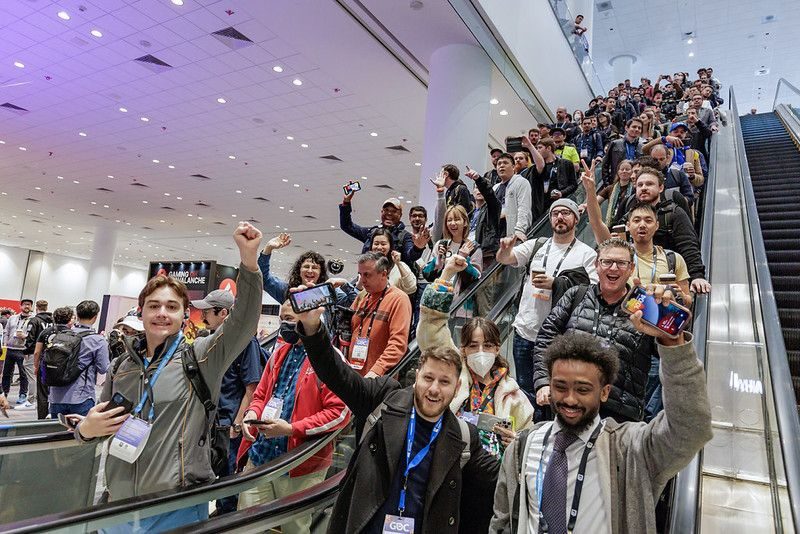
The Game Developers Conference, held annually in San Francisco, is one of the largest and most significant events in the gaming industry. It serves as a platform for developers, publishers, and other stakeholders to showcase new technologies, discuss industry trends, and network with peers. The conference typically attracts thousands of attendees from around the globe, making it a melting pot of ideas and innovations.
In recent years, the GDC has also become a focal point for discussions surrounding diversity, inclusion, and the ethical implications of game design. As the industry continues to evolve, the conference has adapted to address the pressing issues facing developers and gamers alike.
Growing Concerns Among International Attendees
Despite the GDC’s reputation as a hub for creativity and collaboration, many international attendees are expressing apprehension about attending the 2026 event. This anxiety is primarily fueled by the increasing visibility of ICE in the San Francisco area and broader concerns regarding safety and immigration policies.
ICE’s Presence in San Francisco
ICE has been a contentious agency in the United States, particularly under the current administration, which has taken a hardline stance on immigration enforcement. Reports indicate that ICE has ramped up its operations in various cities, including San Francisco, which is known for its progressive policies and sanctuary city status. The heightened presence of ICE agents has led to fears among many international attendees that they could face scrutiny or harassment while attending the conference.
For individuals from countries with strained relations with the U.S., the prospect of encountering ICE agents can be particularly daunting. Many attendees worry that their participation in the GDC could lead to unwanted attention or even deportation, especially if they are not U.S. citizens or permanent residents.
Impact on Diversity and Inclusion
The concerns surrounding ICE are not merely about personal safety; they also have broader implications for diversity and inclusion within the gaming industry. The GDC has long championed diversity, aiming to create an environment where voices from all backgrounds can be heard. However, if international attendees feel unsafe or unwelcome, it undermines these efforts.
Industry leaders have emphasized the importance of diverse perspectives in game development, arguing that a variety of voices leads to richer storytelling and more innovative gameplay. The potential absence of international attendees could stifle this diversity, limiting the scope of discussions and the variety of ideas presented at the conference.
Stakeholder Reactions
The reaction to these concerns has been mixed among stakeholders in the gaming industry. Some companies have publicly expressed their support for international attendees, advocating for a safe and inclusive environment at the GDC. Others, however, have remained silent, raising questions about their commitment to diversity and inclusion.
Support from Industry Leaders
Several prominent figures in the gaming industry have voiced their concerns about the impact of ICE’s presence on the GDC. For instance, the CEO of a major game development studio stated, “We need to ensure that our conferences are safe spaces for everyone, regardless of their nationality. The presence of ICE creates an atmosphere of fear that is counterproductive to the collaborative spirit of the GDC.”
In response to these concerns, some companies are exploring alternative arrangements for their international employees. This includes virtual attendance options, which would allow developers to participate in discussions and presentations without the risk of facing ICE scrutiny. While this approach may alleviate some concerns, it also raises questions about the effectiveness of virtual participation compared to in-person engagement.
Concerns from Attendees
Many potential attendees have taken to social media to express their fears and frustrations regarding the situation. Comments from international developers highlight a sense of betrayal, as they had previously viewed the GDC as a welcoming environment. One developer from Canada remarked, “I used to look forward to the GDC as a chance to connect with my peers and share ideas. Now, I feel like I have to choose between my career and my safety.”
These sentiments are echoed by attendees from various countries, particularly those with less stable political climates. The fear of being targeted by ICE can overshadow the excitement of attending a major industry event, leading many to reconsider their plans.
Broader Implications for the Gaming Industry
The implications of this situation extend beyond the GDC itself. The gaming industry is increasingly globalized, with developers and companies collaborating across borders. If international attendees continue to feel unsafe at major events, it could lead to a chilling effect on innovation and collaboration.
Impact on Future Events
As the GDC approaches, organizers will need to address these concerns to ensure a successful and inclusive event. This may involve increasing communication with attendees about safety measures and the steps being taken to mitigate the impact of ICE’s presence. Additionally, organizers may need to consider implementing policies that explicitly protect the rights of international attendees.
Failure to address these issues could result in a significant decline in attendance, particularly from international participants. This could ultimately affect the quality of discussions and presentations at the GDC, as well as the overall reputation of the conference.
Long-Term Consequences
The situation at the GDC also raises broader questions about the future of international collaboration in the gaming industry. As more developers express concerns about safety and inclusion, there may be a growing call for industry-wide changes to ensure that all voices are heard and respected.
Industry leaders may need to advocate for more inclusive policies at both national and international levels, pushing for reforms that protect the rights of all developers, regardless of their immigration status. This could involve lobbying for changes to immigration policies, as well as promoting initiatives that foster diversity and inclusion within the industry.
Conclusion
The growing concerns surrounding ICE’s presence and safety at the 2026 GDC highlight the need for a more inclusive and welcoming environment for all attendees. As the gaming industry continues to evolve, it is crucial for stakeholders to address these issues head-on, ensuring that the GDC remains a platform for innovation, collaboration, and diverse perspectives.
By taking proactive steps to address the fears of international attendees, the GDC organizers can reaffirm their commitment to diversity and inclusion, ultimately enriching the conference experience for everyone involved.
Source: Original report
Was this helpful?
Last Modified: January 27, 2026 at 1:39 pm
0 views