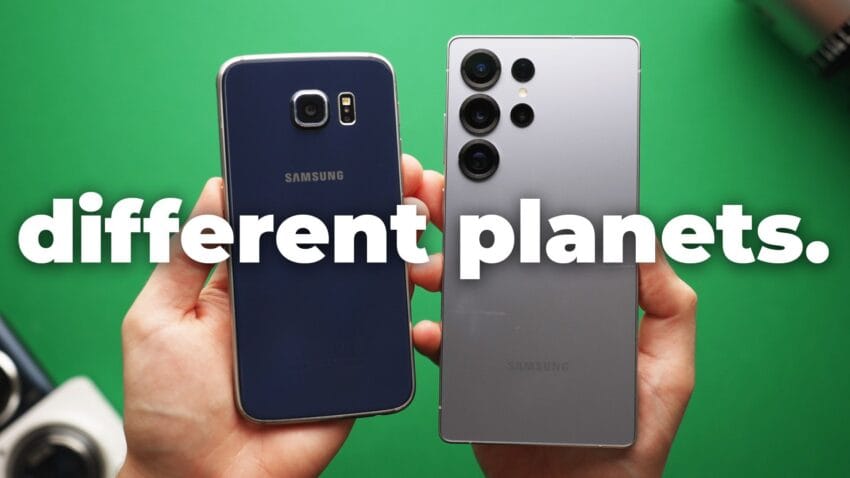
smartphone cameras are insane video Smartphone cameras have undergone a remarkable evolution over the past decade, transforming the way we capture and share our lives.
smartphone cameras are insane video
The Evolution of Smartphone Cameras
In the early 2010s, smartphone cameras were relatively basic, often limited to a few megapixels and lacking advanced features. The primary function of these cameras was to provide a convenient way to take snapshots, but the quality often fell short of dedicated digital cameras. Fast forward to today, and smartphone cameras have become sophisticated tools capable of producing images that rival those taken with professional-grade equipment.
Technological Advancements
Several key technological advancements have contributed to the dramatic improvement in smartphone camera capabilities:
- Increased Megapixel Count: Early smartphones typically featured cameras with 5 to 8 megapixels. Modern devices often boast 48 megapixels or more, allowing for greater detail and clarity in images.
- Advanced Sensors: The introduction of larger sensors has significantly improved low-light performance. Sensors like Sony’s IMX series have become popular, enabling users to capture stunning images even in challenging lighting conditions.
- Optical Image Stabilization (OIS): OIS technology helps reduce blurriness caused by shaky hands, making it easier to take clear photos in various situations.
- Computational Photography: This technique uses algorithms to enhance images after they are taken. Features like Night Mode and Portrait Mode rely on computational photography to create stunning results that were once only possible with high-end cameras.
- Multiple Lenses: Many modern smartphones come equipped with multiple lenses, including wide-angle, telephoto, and macro lenses. This versatility allows users to capture a wide range of scenes and subjects.
Impact on Photography and Social Media
The advancements in smartphone camera technology have had a profound impact on photography and social media. With high-quality cameras readily available, more people are engaging in photography as a hobby or profession. Platforms like Instagram and TikTok have thrived on the ability of users to share visually stunning content quickly and easily.
Moreover, the rise of smartphone photography has democratized the art form. Individuals who may not have had access to expensive camera equipment can now produce professional-quality images using just their smartphones. This shift has led to the emergence of a new generation of photographers and content creators who leverage their smartphones to build careers and brands.
Notable Smartphone Camera Features
As smartphone manufacturers compete to offer the best camera experience, several standout features have emerged that enhance the photography experience:
Night Mode
Night Mode has become a staple in many flagship smartphones. This feature allows users to take clear and vibrant photos in low-light conditions by capturing multiple images and combining them to reduce noise and enhance detail. The result is a photo that appears well-lit and sharp, even in darkness.
Portrait Mode
Portrait Mode simulates the effect of a shallow depth of field, blurring the background while keeping the subject in focus. This feature has gained popularity for its ability to create professional-looking portraits without the need for expensive lenses or equipment.
AI Enhancements
Artificial intelligence (AI) plays a significant role in modern smartphone cameras. AI algorithms can automatically adjust settings based on the scene being captured, optimizing exposure, color balance, and more. Some smartphones even offer real-time suggestions for framing and composition, making photography more accessible to novices.
Video Capabilities
In addition to still photography, smartphone cameras have made significant strides in video recording capabilities. Many devices now support 4K and even 8K video recording, allowing users to capture high-resolution footage. Features like slow-motion, time-lapse, and stabilization further enhance the video experience, making smartphones a popular choice for content creators.
Challenges and Limitations
Despite the impressive advancements in smartphone camera technology, challenges and limitations remain. While smartphone cameras can produce stunning images, they still face certain constraints compared to dedicated cameras:
- Optical Limitations: While multiple lenses offer versatility, they cannot replicate the quality of high-end lenses used in professional cameras. The physics of optics still limits what can be achieved with smartphone cameras.
- Battery Life: High-resolution photography and video recording can drain battery life quickly. Users may find themselves needing to recharge more frequently, especially during extended shooting sessions.
- Storage Constraints: High-resolution images and videos take up significant storage space. Users must manage their storage carefully, especially if they frequently capture large files.
Market Trends and Consumer Preferences
The smartphone camera market is continually evolving, driven by consumer preferences and technological advancements. Several trends have emerged in recent years:
Focus on Selfies
With the rise of social media, the demand for high-quality front-facing cameras has increased. Many manufacturers now prioritize selfie cameras, incorporating features like wide-angle lenses and beauty modes to cater to this market.
Integration of Editing Tools
Smartphone manufacturers are increasingly integrating editing tools directly into their camera apps. Users can apply filters, adjust settings, and edit images without needing third-party applications, streamlining the process of creating and sharing content.
Environmental Considerations
As consumers become more environmentally conscious, manufacturers are responding by adopting sustainable practices. This includes using recyclable materials in smartphone production and creating devices that are easier to repair and recycle.
Future of Smartphone Cameras
The future of smartphone cameras looks promising, with several exciting developments on the horizon:
Enhanced Computational Photography
As computational photography continues to evolve, we can expect even more advanced features that enhance image quality and user experience. Future smartphones may leverage AI to create images that are indistinguishable from those taken with professional cameras.
Augmented Reality (AR) Integration
AR technology is becoming increasingly integrated into smartphone cameras. This could lead to new ways of capturing and interacting with images, allowing users to overlay digital elements onto their photos and videos.
Improved Connectivity
As 5G technology becomes more widespread, the ability to share high-resolution images and videos instantly will become even easier. This could further enhance the social media experience, allowing for seamless sharing of content in real-time.
Conclusion
The evolution of smartphone cameras over the past decade has been nothing short of extraordinary. From basic point-and-shoot capabilities to advanced imaging technologies, smartphones have transformed the way we capture and share our experiences. As technology continues to advance, we can expect even more innovative features that will further enhance the photography experience for users around the world.
Source: Original report
Was this helpful?
Explore more: Mobile App Development More Mobile Technology Tech News
Last Modified: September 8, 2025 at 6:28 pm
8 views