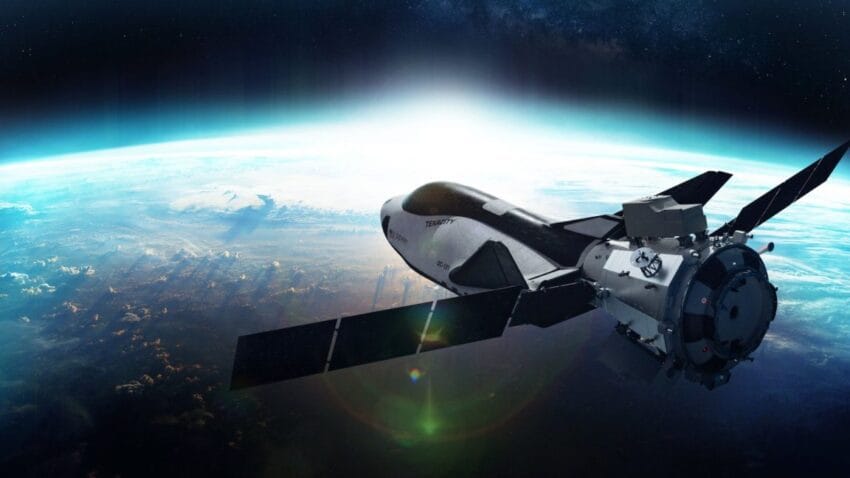
sierra s dream chaser is starting to The Dream Chaser spaceplane, a project that has been in development for two decades, is facing significant delays and challenges that may push its first flight further into the future.
sierra s dream chaser is starting to
Background of the Dream Chaser Program
The Dream Chaser spaceplane, developed by Sierra Nevada Corporation (SNC), was initially conceived in the early 2000s as part of NASA’s Commercial Crew Development program. The goal was to create a reusable spacecraft capable of transporting cargo and crew to the International Space Station (ISS) and beyond. Over the years, the design has evolved, shifting from a crewed vehicle to an uncrewed cargo transport, reflecting the changing needs of NASA and the commercial space sector.
One of the key features of the Dream Chaser is its ability to land on conventional runways, similar to an airplane, which distinguishes it from other spacecraft that rely on parachute landings. This capability is seen as a significant advantage for recovery and reuse, potentially reducing costs associated with space missions.
Recent Developments
On Thursday, NASA confirmed that the Dream Chaser’s first flight will no longer involve docking with the ISS, a decision that marks a pivotal shift in the program’s trajectory. Instead, NASA has stated that the program will benefit from a “free flight demonstration.” This change comes as part of a broader strategy to ensure that the Dream Chaser can effectively demonstrate its capabilities in low Earth orbit (LEO) before being tasked with resupply missions.
NASA’s Perspective
Dana Weigel, manager of NASA’s International Space Station Program, addressed the challenges faced by new space transportation systems, stating, “Development of new space transportation systems is difficult and can take longer than what’s originally planned.” This acknowledgment underscores the complexities involved in developing cutting-edge aerospace technologies, particularly in an environment where timelines are often ambitious and funding is contingent on meeting specific milestones.
Weigel emphasized that this decision allows for continued testing and verification of the Dream Chaser’s systems while also demonstrating its capabilities for future missions. As NASA looks toward the deorbiting of the ISS in 2030, it is crucial for the agency to ensure that any new systems are thoroughly tested and validated before being deployed in operational roles.
Implications for the Dream Chaser Program
The shift to a free flight demonstration raises questions about the future of the Dream Chaser program. While the decision may allow for more focused testing, it also indicates that the program is not progressing as quickly as initially anticipated. This could have several implications:
- Funding and Investment: Delays in the program may lead to concerns among investors and stakeholders about the viability of the Dream Chaser as a commercial product. Funding for space programs is often tied to milestones, and extended timelines can complicate financial backing.
- Market Competition: The commercial space sector is highly competitive, with several companies vying for contracts to deliver cargo and crew to the ISS and other destinations. Delays in the Dream Chaser’s development could allow competitors, such as SpaceX and Northrop Grumman, to solidify their positions in the market.
- Partnerships: NASA’s decision may affect its partnerships with other organizations involved in the Dream Chaser program. Collaborators may need to reassess their commitments and timelines, potentially leading to a reevaluation of roles and responsibilities within the project.
Technical Challenges Faced by Dream Chaser
The Dream Chaser program has faced a variety of technical challenges throughout its development. Some of these challenges include:
- Design Modifications: The transition from a crewed to an uncrewed vehicle necessitated significant design changes, which have added complexity to the development process.
- Testing Requirements: As a new spacecraft, the Dream Chaser must undergo rigorous testing to ensure its systems are reliable and safe for flight. This includes everything from structural integrity tests to avionics and propulsion system evaluations.
- Integration with Existing Systems: The Dream Chaser must be compatible with existing space infrastructure, including the ISS and ground support systems. Ensuring seamless integration can be a time-consuming process.
Stakeholder Reactions
The announcement of the Dream Chaser’s revised flight plan has elicited a range of reactions from stakeholders within the aerospace community. Some industry experts have expressed concern about the implications of the delay, while others have emphasized the importance of thorough testing.
One aerospace analyst noted, “While it’s disappointing to see delays, it’s crucial that any new spacecraft is thoroughly vetted before it begins operational flights. The stakes are high, and safety must always come first.” This sentiment reflects a broader understanding within the industry that the complexities of spaceflight necessitate a cautious approach to development.
Future Prospects for Dream Chaser
Despite the current setbacks, there remains optimism about the future of the Dream Chaser program. The decision to conduct a free flight demonstration could ultimately provide valuable data that enhances the spacecraft’s design and operational capabilities.
Potential for Future Missions
Once the Dream Chaser successfully completes its free flight demonstration, it may be positioned to take on a variety of missions, including:
- Cargo Resupply: The Dream Chaser is designed to transport cargo to the ISS, and successful testing could lead to contracts for regular resupply missions.
- Scientific Research: The spaceplane could be utilized for scientific missions, transporting experiments and equipment to and from LEO.
- Commercial Opportunities: As the commercial space sector continues to grow, the Dream Chaser could be adapted for various commercial applications, including satellite deployment and space tourism.
Conclusion
The Dream Chaser spaceplane’s journey has been fraught with challenges, and the recent decision by NASA to shift its flight plan underscores the complexities involved in developing new space transportation systems. While the road ahead may be uncertain, the potential for the Dream Chaser to contribute to future space missions remains significant. As the aerospace community watches closely, the focus will be on how SNC navigates these challenges and whether the Dream Chaser can ultimately fulfill its promise as a versatile and reliable spacecraft.
Source: Original report
Was this helpful?
Explore more: More General Technology Tech News Blog
Last Modified: September 26, 2025 at 3:35 am
7 views