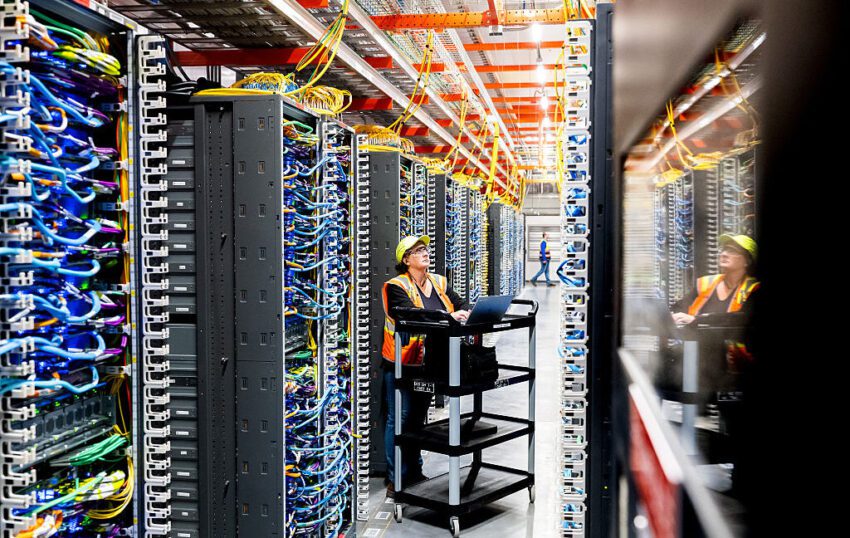
senators count the shady ways data centers Senators are demanding transparency from tech companies regarding their data center projects and the impact on local electricity costs amid rising energy prices.
senators count the shady ways data centers
Senators Launch Investigation
On Tuesday, a bipartisan group of U.S. Senators initiated an investigation aimed at understanding how major technology firms plan to mitigate the rising electricity costs associated with their data center projects. This inquiry comes in response to alarming findings that electricity prices in certain regions have surged by as much as 267 percent over the past five years, particularly in areas with significant data center activity.
Key Senators Involved
The investigation is spearheaded by Senators Elizabeth Warren (D-Mass.), Chris Van Hollen (D-Md.), and Richard Blumenthal (D-Conn.). These lawmakers have expressed concerns that the rapid expansion of data centers is not only straining local energy resources but also unfairly burdening residents with higher utility bills. In their letters to seven prominent AI firms, they emphasized the urgent need for accountability and transparency in how these companies manage their energy consumption and infrastructure demands.
Understanding the Energy Crisis
The rising electricity costs can be attributed to several factors, particularly the demand placed on local utility companies by data centers. As these facilities expand, they often require substantial amounts of electricity—sometimes equivalent to the consumption of an entire city. This sudden spike in demand forces utility companies to invest in additional infrastructure to accommodate the increased load, which ultimately leads to higher costs for consumers.
Infrastructure Strain
Utility companies are often left with no choice but to build new power lines, substations, and other infrastructure to meet the energy needs of data centers. This process can be lengthy and expensive, and the costs incurred are typically passed on to local consumers. As a result, residents may find themselves facing unexpectedly high electricity bills, often without any prior knowledge of the data center projects that triggered these increases.
Community Impact
The implications of these rising costs are significant, particularly for low- and middle-income households. Many residents are already struggling with the financial burden of everyday expenses, and higher utility bills can exacerbate these challenges. The Senators noted that in some cases, community members are blindsided by the approval of data center projects, as tech companies frequently avoid public disclosure of the terms of their agreements with utility providers.
Lack of Transparency
This lack of transparency raises serious questions about the accountability of tech companies in their dealings with local governments and utility providers. The Senators have highlighted the need for clearer communication and public engagement regarding data center projects, emphasizing that communities should be informed about potential impacts on their energy costs before any approvals are granted.
Calls for Accountability
In their letters, the Senators demanded that the AI firms provide detailed plans outlining how they intend to manage their energy consumption and mitigate the financial impact on local communities. They are seeking specific information on the following:
- Strategies for reducing energy consumption and improving efficiency in data center operations.
- Plans for engaging with local communities and utility providers to ensure transparency in energy demands.
- Commitments to invest in renewable energy sources to offset the environmental impact of their operations.
- Details on how they intend to address the rising electricity costs that may affect local residents.
Stakeholder Reactions
The response from the tech industry has been mixed. Some companies have expressed willingness to collaborate with local governments and utility providers to address these concerns. Others, however, have been more reticent, citing competitive pressures and the need for confidentiality in their business operations. This reluctance to disclose information has only fueled the Senators’ concerns and underscores the need for regulatory oversight.
Broader Implications
The investigation into data center energy consumption is part of a larger conversation about the sustainability of technology infrastructure in the United States. As more companies shift to cloud computing and artificial intelligence, the demand for data centers is expected to grow exponentially. This trend raises critical questions about how to balance technological advancement with environmental sustainability and community welfare.
Environmental Concerns
Data centers are notorious for their high energy consumption, which often relies on fossil fuels. As climate change becomes an increasingly urgent issue, the environmental impact of these facilities cannot be overlooked. The Senators have called for tech companies to invest in renewable energy sources, such as solar or wind power, to help mitigate their carbon footprint and contribute to a more sustainable energy future.
Legislative Solutions
In light of the ongoing investigation, there may be legislative solutions on the horizon aimed at regulating data center energy consumption. Potential measures could include:
- Mandatory reporting requirements for data centers regarding their energy usage and infrastructure impacts.
- Incentives for companies that invest in renewable energy sources or energy-efficient technologies.
- Stricter guidelines for public engagement and transparency in the approval process for new data center projects.
Future Outlook
The outcome of this investigation could set a precedent for how data centers are managed in the future. If the Senators succeed in holding tech companies accountable for their energy consumption, it may lead to more sustainable practices and a greater emphasis on community welfare. Conversely, if the tech industry resists these calls for transparency and accountability, it could result in increased scrutiny and potential regulatory action from lawmakers.
Conclusion
The Senators’ investigation into the energy costs associated with data centers highlights a critical intersection between technology, community welfare, and environmental sustainability. As the demand for data centers continues to rise, it is imperative that tech companies take responsibility for their energy consumption and its impact on local communities. The ongoing dialogue between lawmakers and the tech industry will be crucial in shaping a more sustainable and equitable energy future for all Americans.
Source: Original report
Was this helpful?
Explore more: DevOps Services More Cloud & DevOps Tech News
Last Modified: December 17, 2025 at 7:37 am
15 views