sega reportedly called police after mistakenly scrapping A UK-based video game reseller claims Sega was behind a police raid that seized a trove of Nintendo development kits from his home, according to a report from Time Extension.
sega reportedly called police after mistakenly scrapping
Background of the Incident
The incident revolves around a significant misunderstanding that has led to legal and ethical questions regarding video game preservation and ownership rights. The reseller, who has not been publicly named, reportedly acquired a collection of rare Nintendo development kits from a scrapyard for approximately £10,000 (around $13,526). This collection was said to have originated from a clearance sale at Sega’s former European office in Brentford, West London, which moved to Chiswick Business Park earlier in 2023.
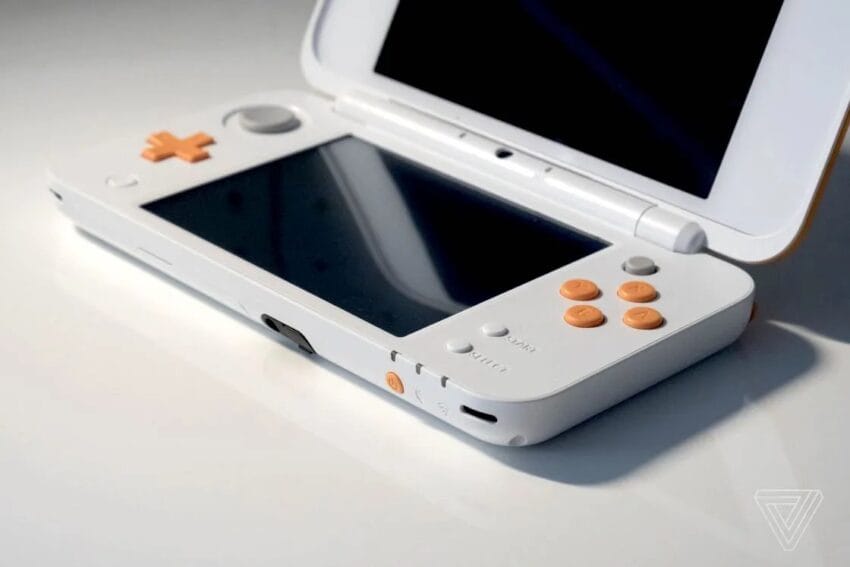
Development kits are specialized hardware used by game developers to create and test games before they are released to the public. These kits are often rare and can hold significant value, both financially and historically, especially for collectors and preservationists. The kits in question included those for popular Nintendo consoles such as the Game Boy Advance, Nintendo DSi, 2DS, 3DS, Wii, and Wii U.
The Police Raid
On July 14, approximately three months after the reseller’s purchase, police executed a raid on his residence. The seller recounted the experience, stating, “I was woken at around 7:30 am by a loud knock at my door. When I opened it, I was met by approximately ten officers from the City of London Police. They informed me that I was under arrest for money laundering and that they were there to seize development kits and game cartridges.”
This dramatic turn of events raises questions about the legal implications of purchasing items that may have been disposed of improperly. The police action appears to have been initiated at the behest of Sega, which reportedly sought to recover the development kits after mistakenly discarding them. The involvement of law enforcement in what seems to be a civil matter has sparked discussions about the boundaries of corporate responsibility and the rights of individuals who purchase items from secondary markets.
Contents of the Collection
The collection seized by the police was not limited to development kits. It also included a variety of prototype games, some of which are considered rare and valuable. Among the titles were:
- Sonic Chronicles: The Dark Brotherhood
- Sonic Generations
- Mario & Sonic at the Winter Olympic Games
- Phantasy Star 0
- And several others
These games not only represent significant milestones in gaming history but also hold sentimental value for fans of the franchises involved. The potential loss of these items has raised alarms within the video game preservation community, which often fights to keep such artifacts accessible for future generations.
Legal and Ethical Implications
The legal ramifications of this incident are complex. The seller was reportedly asked by the police to sign a “formal disclaimer request,” which would require him to relinquish ownership of the development kits. This request suggests that the police may be treating the situation as if the kits were stolen property, despite the seller’s claims of having purchased them legitimately.
“I haven’t heard back from the police after refusing to sign the disclaimer,” the seller stated. “Sega has also not reached out to me, despite being named in six separate pre-action protocol claims.” This lack of communication raises further questions about the responsibilities of corporations in such situations, especially when their actions lead to significant consequences for individuals.
Corporate Responsibility
The incident highlights the need for companies like Sega to take greater responsibility for their discarded assets. When a company disposes of items, especially those that are valuable or hold historical significance, it is crucial to have clear protocols in place to prevent misunderstandings. The failure to do so can lead to legal disputes and public relations issues, as seen in this case.
Video Game Preservation Community
The video game preservation community has expressed frustration over the situation. Many collectors and enthusiasts believe that rare items should be preserved and made accessible rather than being lost to time or locked away indefinitely. The seizure of these development kits and prototype games not only affects the seller but also impacts the broader community that values the history and evolution of video games.
Preservationists argue that items like these development kits are part of gaming history and should be treated with respect. The community often advocates for better practices regarding the disposal and preservation of gaming artifacts, emphasizing the importance of maintaining a connection to the past.
Stakeholder Reactions
The reactions to this incident have varied across different stakeholders. On one hand, the seller feels wronged, having invested a significant amount of money into what he believed was a legitimate purchase. On the other hand, Sega may be acting within its legal rights to reclaim property that it believes was improperly disposed of.
Industry experts have weighed in on the matter, suggesting that Sega’s actions, while perhaps legally justified, may not be ethically sound. The use of police resources to recover discarded items raises questions about the priorities of corporations and their treatment of individuals in the secondary market.
Public Sentiment
Public sentiment appears to lean toward sympathy for the seller. Many in the gaming community have taken to social media to express their outrage over the police raid and the subsequent seizure of the development kits. The incident has sparked discussions about the rights of collectors and the responsibilities of corporations in managing their assets.
“It’s a shame that something like this could happen,” one Twitter user commented. “These development kits are part of our gaming history, and they should be preserved, not locked away.” Such sentiments echo the broader concerns within the gaming community about the importance of preserving artifacts that represent significant milestones in the industry.
Future Implications
As the situation unfolds, it remains unclear what the future holds for the seized development kits and prototype games. The police currently have possession of these items, and there is no indication of whether they will be returned to the seller or if they will be permanently confiscated. The uncertainty surrounding the fate of these artifacts has left many in the gaming community anxious.
Additionally, this incident may prompt other companies to reevaluate their disposal practices. As the gaming industry continues to grow, the importance of preserving its history becomes increasingly apparent. Companies may need to implement more stringent protocols for handling discarded items to prevent similar situations from arising in the future.
Conclusion
The saga involving Sega, the police, and the reseller serves as a cautionary tale about the complexities of ownership, corporate responsibility, and the importance of preserving gaming history. As the legal proceedings continue, the outcome will likely have lasting implications for both the seller and the broader video game preservation community. The incident underscores the need for clearer guidelines regarding the disposal of valuable assets and the ethical considerations that come into play when corporations interact with individuals in the secondary market.
Source: Original report
Was this helpful?
Explore more: More Gaming Tech News Blog
Last Modified: September 11, 2025 at 6:38 pm
25 views