sc measles outbreak has gone berserk 124 A significant measles outbreak in South Carolina has rapidly escalated, with health officials reporting alarming increases in cases and quarantines.
sc measles outbreak has gone berserk 124
Current Situation of the Outbreak
The measles outbreak in South Carolina, which began in October, has seen a dramatic surge in cases, doubling in just one week. As of the latest reports, the total number of confirmed cases has reached 434, with 409 individuals currently under quarantine. This rapid increase has raised serious concerns among public health officials and the community.
Weekly Updates from Health Officials
South Carolina health officials have been diligent in providing updates on the outbreak, releasing information every Tuesday and Friday. On the most recent Tuesday, officials reported an additional 124 cases since the previous Friday, which had already seen a rise of 99 new cases since the last Tuesday. This pattern of rapid growth is alarming, especially considering that on January 6, the increase was more modest, with only 26 new cases reported, bringing the total to 211 at that time.
The stark contrast between the earlier figures and the current surge highlights the outbreak’s accelerating nature. The situation has prompted health officials to intensify their efforts to combat the spread of the highly contagious virus.
Implications of the Outbreak
The implications of this outbreak are significant, not only for those directly affected but also for public health at large. Measles is known for its high transmission rate, and the current outbreak underscores the importance of vaccination. The Centers for Disease Control and Prevention (CDC) notes that measles can spread through respiratory droplets when an infected person coughs or sneezes, and it can remain in the air for up to two hours after an infected person has left the area.
Vaccination Efforts Intensified
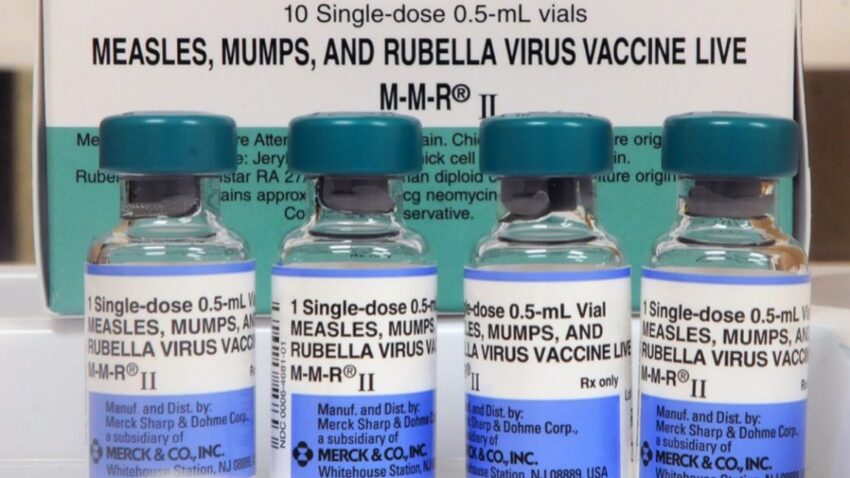
In response to the outbreak, South Carolina health officials are renewing their calls for vaccinations against measles, mumps, and rubella (MMR). Despite these efforts, vaccination rates have not significantly improved since the outbreak began in October. This lack of uptake is concerning, as vaccination is the most effective way to prevent the spread of measles.
To facilitate access to vaccinations, the South Carolina Department of Health and Environmental Control (DHEC) is activating its mobile health unit. This unit will offer free MMR vaccinations, as well as flu vaccinations, at two locations in the Spartanburg area, which is currently the epicenter of the outbreak. These vaccination clinics are scheduled for today and Thursday, providing an opportunity for residents to protect themselves and their families from the virus.
Community Response and Concerns
The community’s response to the outbreak has been mixed. While many individuals are eager to receive vaccinations and protect themselves, others remain hesitant. This hesitancy can be attributed to various factors, including misinformation about vaccines, personal beliefs, and concerns about vaccine safety. Public health officials are working to address these concerns through education and outreach efforts.
Public Health Messaging
Effective public health messaging is crucial in combating vaccine hesitancy. Health officials are emphasizing the safety and efficacy of vaccines, as well as the potential consequences of not vaccinating. Measles can lead to serious complications, including pneumonia, encephalitis, and even death. By highlighting these risks, officials hope to encourage more individuals to get vaccinated.
Moreover, community leaders and healthcare providers are being enlisted to help spread the message about the importance of vaccination. Their influence can play a significant role in changing perceptions and encouraging individuals to take action to protect their health and the health of those around them.
Historical Context of Measles in the U.S.
Understanding the historical context of measles in the United States can provide valuable insights into the current outbreak. Measles was declared eliminated in the U.S. in 2000, thanks to widespread vaccination efforts. However, the resurgence of measles outbreaks in recent years has raised alarms among public health officials.
Factors contributing to the resurgence include declining vaccination rates, increased travel, and the spread of misinformation about vaccines. The current outbreak in South Carolina is a stark reminder of the importance of maintaining high vaccination coverage to prevent the spread of vaccine-preventable diseases.
Lessons from Previous Outbreaks
Previous measles outbreaks in the U.S. have demonstrated the importance of timely public health interventions. For instance, outbreaks in 2014 and 2019 were linked to unvaccinated populations and highlighted the need for robust vaccination campaigns. The current situation in South Carolina serves as a critical learning opportunity for health officials and communities alike.
Looking Ahead: Future Strategies
As the outbreak continues to unfold, health officials are exploring additional strategies to mitigate its impact. These strategies may include:
- Enhanced Surveillance: Increased monitoring of measles cases to identify and respond to new infections quickly.
- Community Engagement: Collaborating with local organizations and leaders to promote vaccination and disseminate accurate information.
- School-Based Vaccination Programs: Implementing vaccination clinics in schools to reach children and families directly.
- Targeted Outreach: Focusing on communities with lower vaccination rates to provide education and access to vaccines.
These strategies aim to not only control the current outbreak but also to prevent future occurrences. The importance of community involvement and education cannot be overstated, as they are essential components of effective public health initiatives.
Conclusion
The measles outbreak in South Carolina is a pressing public health concern that requires immediate attention and action. With the number of cases rapidly increasing and many individuals in quarantine, health officials are working tirelessly to combat the spread of the virus. Vaccination remains the most effective tool in preventing measles, and efforts to increase vaccination rates must be prioritized.
As the situation develops, it is crucial for individuals to stay informed and take proactive measures to protect themselves and their communities. The collaboration between health officials, community leaders, and residents will be vital in overcoming this outbreak and ensuring the health and safety of all South Carolinians.
Source: Original report
Was this helpful?
Last Modified: January 15, 2026 at 8:38 am
4 views