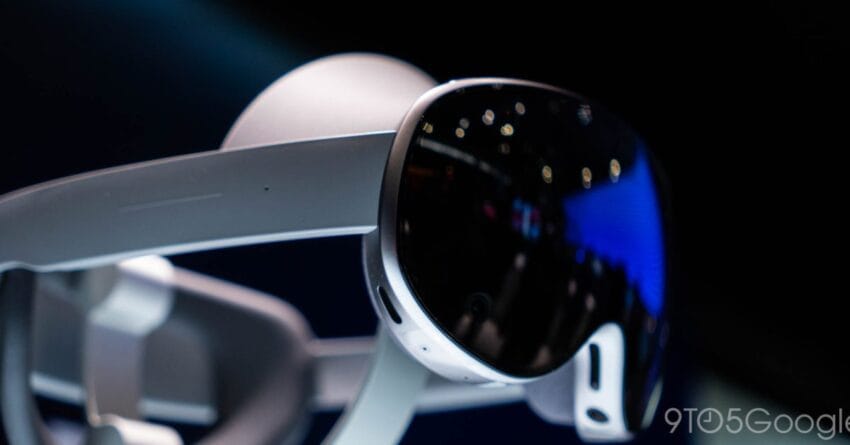
samsung will let galaxy phones take spatial Samsung is set to enhance the capabilities of its Galaxy smartphones by introducing a new software feature that enables users to capture spatial photos and videos, specifically designed for its upcoming Android XR headset, known as “Project Moohan.”
samsung will let galaxy phones take spatial
Introduction to Project Moohan
Samsung’s Project Moohan is generating considerable excitement within the tech community as it prepares to launch its Android XR headset. This innovative device aims to merge virtual and augmented reality experiences, offering users a unique way to interact with digital content. As part of this initiative, Samsung is integrating advanced features into its Galaxy smartphones, allowing users to create immersive spatial media that can be enjoyed on the headset.
Spatial Photography and Videography
The new software option on Galaxy phones will enable users to capture spatial photos and videos, which are designed to provide a three-dimensional viewing experience. Unlike traditional photography, spatial media captures depth and perspective, allowing viewers to feel as though they are part of the scene. This technology is particularly relevant for applications in gaming, virtual tours, and educational content, where immersion is key.
How Spatial Media Works
Spatial media utilizes multiple lenses and advanced algorithms to capture images and videos from different angles. When viewed through a compatible headset, these images create a stereoscopic effect, providing depth perception that enhances the realism of the experience. Samsung’s implementation is expected to leverage the existing camera capabilities of Galaxy devices, which are already known for their high-quality imaging.
Technical Specifications
While specific details about the camera requirements for capturing spatial media have yet to be fully disclosed, it is anticipated that the latest Galaxy models will support this feature. Samsung’s flagship devices, such as the Galaxy S and Note series, are likely to be at the forefront of this technology, given their advanced camera systems. Users can expect features such as:
- Multi-lens setups for capturing depth information.
- Enhanced software algorithms for image processing.
- Seamless integration with the Android XR headset for playback.
Implications for Users and Developers
The introduction of spatial photography and videography capabilities has significant implications for both users and developers. For users, this feature opens up new avenues for creativity and expression. Individuals can document their experiences in a way that traditional media cannot match, providing a more immersive storytelling medium.
Impact on Content Creation
Content creators, including filmmakers, educators, and marketers, stand to benefit immensely from this technology. The ability to create spatial content can enhance engagement and provide audiences with a more interactive experience. For example, educators can create virtual field trips that allow students to explore historical sites or natural wonders in a more engaging manner.
Developer Opportunities
For developers, the introduction of spatial media creates new opportunities for app development. There is potential for a range of applications, from gaming to virtual tourism, that can leverage this technology. Developers will need to adapt their existing frameworks to accommodate spatial media, which may lead to the emergence of new platforms and tools tailored for this purpose.
Market Context and Competition
Samsung’s move to integrate spatial media capabilities into its Galaxy phones comes at a time when the XR market is rapidly evolving. Competitors such as Meta (formerly Facebook) and Apple are also investing heavily in augmented and virtual reality technologies. Meta has focused on social experiences within virtual environments, while Apple has been rumored to be developing its own XR headset with unique features.
Positioning in the XR Landscape
By enabling spatial media capture on its smartphones, Samsung is positioning itself as a leader in the XR space. This integration not only enhances the functionality of its devices but also creates a compelling ecosystem that encourages users to adopt the new headset. The synergy between Galaxy phones and the Android XR headset could give Samsung a competitive edge, particularly if the user experience is seamless and intuitive.
Consumer Adoption and Market Trends
Consumer adoption of XR technologies has been steadily increasing, driven by advancements in hardware and software. As more users become familiar with augmented and virtual reality experiences, the demand for content that utilizes these technologies is likely to grow. Samsung’s initiative to allow spatial media capture could accelerate this trend, encouraging more users to explore the possibilities of XR.
Stakeholder Reactions
The announcement of spatial media capabilities has elicited a range of reactions from stakeholders across the tech industry. Enthusiasts and early adopters are particularly excited about the potential for new creative opportunities. On social media platforms, users have expressed their eagerness to experiment with spatial photography and videography, sharing ideas for applications in various fields.
Industry Experts’ Perspectives
Industry experts have also weighed in on the implications of Samsung’s announcement. Many believe that this move could catalyze a shift in how media is created and consumed. The ability to capture and share spatial experiences could redefine storytelling and content consumption, making it more interactive and engaging.
Concerns and Challenges
However, there are also concerns regarding the accessibility and usability of this technology. For spatial media to gain widespread adoption, it must be easy to use and accessible to a broad audience. Samsung will need to ensure that the software is user-friendly and that the hardware requirements are not prohibitive for average consumers.
Conclusion
Samsung’s introduction of spatial photo and video capture capabilities for its Galaxy phones marks a significant step forward in the integration of augmented and virtual reality technologies into everyday devices. As the company prepares to launch its Android XR headset, the ability to create immersive content will likely enhance user engagement and foster a new wave of creativity. With the XR market evolving rapidly, Samsung’s initiative positions it as a key player in shaping the future of spatial media.
As consumers and developers alike look forward to the possibilities that this technology presents, the success of Project Moohan will depend on its execution and the overall user experience. If Samsung can deliver a seamless integration of spatial media capture and playback, it may well set the standard for future developments in the XR landscape.
Source: Original report
Was this helpful?
Explore more: Mobile App Development More Mobile Technology Tech News
Last Modified: September 12, 2025 at 3:45 am
39 views