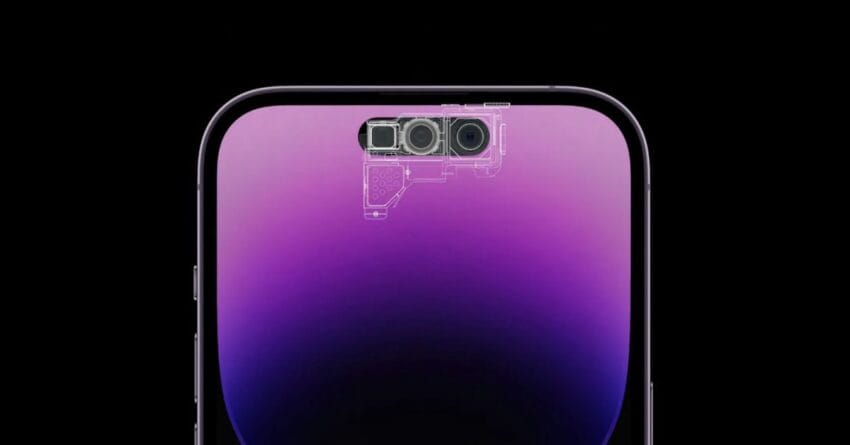
rumor smaller dynamic island but no under-screen Apple is reportedly making strides toward achieving a true all-screen iPhone with the anticipated iPhone 18, which may feature a smaller Dynamic Island but will not include under-screen Face ID technology.
rumor smaller dynamic island but no under-screen
Apple’s Vision for All-Screen Devices
Apple has long been at the forefront of smartphone innovation, consistently pushing the envelope in design and functionality. The company’s vision for a true all-screen iPhone has been a topic of speculation for several years. The iPhone 18, expected to launch in 2025, appears to be a significant step in that direction. The smaller Dynamic Island, a feature introduced with the iPhone 14 Pro models, is likely to be refined in this upcoming iteration.
The Evolution of Dynamic Island
The Dynamic Island has been a defining feature of the iPhone 14 Pro and Pro Max, allowing for a more interactive experience by integrating notifications and activities into a pill-shaped cutout at the top of the display. This design choice has garnered mixed reactions from users and critics alike. While some appreciate the innovative approach to notifications, others have expressed a desire for a more seamless display.
Rumors suggest that Apple is planning to reduce the size of the Dynamic Island in the iPhone 18, which could enhance the overall screen real estate. A smaller Dynamic Island would allow for a more immersive viewing experience, particularly for media consumption and gaming. However, the exact dimensions and design changes remain speculative at this point.
Implications of a Smaller Dynamic Island
A smaller Dynamic Island could have several implications for user experience. For one, it may lead to a more aesthetically pleasing device, as the display would take up more of the front surface area. This change could also improve the usability of apps that rely on full-screen modes, such as video streaming services and gaming applications. Additionally, a smaller cutout may allow for more creative app designs that can utilize the available screen space more effectively.
Face ID Technology: What to Expect
While the potential redesign of the Dynamic Island is generating excitement, the absence of under-screen Face ID technology in the iPhone 18 has raised eyebrows. Under-screen Face ID has been a highly anticipated feature, with many hoping it would enable a completely uninterrupted display. However, reports indicate that Apple may not be ready to implement this technology in the iPhone 18.
The Current State of Face ID
Face ID, introduced with the iPhone X in 2017, has been a hallmark of Apple’s security features. The technology uses advanced facial recognition to unlock devices and authenticate users for various applications. While Face ID has proven to be secure and efficient, its reliance on a front-facing camera and sensors has limited design possibilities.
Under-screen Face ID was seen as a potential solution to this limitation, allowing for a more seamless design. However, the technology has faced challenges in terms of reliability and performance. Reports suggest that Apple is still refining the technology, which may explain its absence in the iPhone 18.
Stakeholder Reactions
The reactions to the rumored features of the iPhone 18 have been mixed among stakeholders. Industry analysts are keenly observing Apple’s moves, as the company’s decisions often set trends in the smartphone market. Some analysts believe that the smaller Dynamic Island could enhance user experience and solidify Apple’s position as a design leader.
On the other hand, the lack of under-screen Face ID has disappointed some tech enthusiasts who were looking forward to a more futuristic design. Critics argue that Apple may be missing an opportunity to innovate further, especially as competitors are exploring similar technologies. However, Apple has a history of prioritizing quality and user experience over rushing to implement new features.
Market Context and Competitive Landscape
The smartphone market is highly competitive, with numerous manufacturers vying for consumer attention. Companies like Samsung, Google, and OnePlus are continuously innovating and introducing new features that challenge Apple’s dominance. The introduction of under-screen cameras and fingerprint sensors by competitors has raised expectations among consumers for similar advancements from Apple.
As Apple prepares for the iPhone 18, it must navigate this competitive landscape carefully. The decision to forgo under-screen Face ID may be a strategic choice, allowing the company to focus on perfecting existing technologies rather than rushing to implement untested features. This approach could help maintain the high standards that Apple is known for, even if it means delaying certain innovations.
Consumer Expectations
Consumer expectations play a crucial role in shaping the features of new smartphones. With each new iPhone release, users anticipate advancements that enhance usability, security, and overall experience. The smaller Dynamic Island may meet some of these expectations, particularly for users who prioritize screen space and aesthetics.
However, the absence of under-screen Face ID could lead to disappointment among consumers who were hoping for a more futuristic design. Apple will need to communicate the rationale behind its design choices effectively to manage expectations and maintain customer loyalty.
Looking Ahead: Future Innovations
While the iPhone 18 may not feature under-screen Face ID, Apple is likely exploring other avenues for innovation. The company has a history of introducing groundbreaking features in subsequent models, and the iPhone 19 or future iterations may incorporate under-screen technology once it meets Apple’s stringent quality standards.
Additionally, Apple is known for its commitment to privacy and security. As the company continues to develop new technologies, it will likely prioritize features that enhance user security without compromising design. This focus could lead to alternative solutions for biometric authentication that align with the all-screen vision.
Conclusion
The iPhone 18 is shaping up to be a pivotal release for Apple, as the company aims to inch closer to its goal of a true all-screen device. The rumored smaller Dynamic Island is expected to enhance user experience, while the absence of under-screen Face ID reflects Apple’s cautious approach to innovation. As the smartphone landscape continues to evolve, all eyes will be on Apple to see how it balances design, functionality, and user expectations in its future releases.
Source: Original report
Was this helpful?
Explore more: Mobile App Development More Mobile Technology Tech News
Last Modified: September 15, 2025 at 4:42 am
13 views