robot vacuums in homekit here are the Apple’s introduction of iOS 18.4 earlier this year has significantly enhanced the Home app, allowing users to integrate robot vacuums into HomeKit for the first time, thanks to the Matter smart home standard.
robot vacuums in homekit here are the
Overview of HomeKit and Matter Integration
HomeKit is Apple’s framework for smart home devices, enabling users to control various appliances through their iOS devices. The introduction of the Matter standard marks a pivotal moment in the smart home landscape, as it aims to improve interoperability among devices from different manufacturers. This means that users can now enjoy a more seamless experience when integrating various smart home products, including robot vacuums, into their HomeKit ecosystem.
The Matter standard, developed by the Connectivity Standards Alliance (CSA), is designed to simplify the way smart devices communicate with one another. By adopting this standard, manufacturers can ensure that their products work well with a wide range of platforms, including Apple’s HomeKit, Google Home, and Amazon Alexa. This cross-compatibility is a significant step forward, as it reduces the fragmentation that often plagues the smart home market.
Benefits of Using Robot Vacuums with HomeKit
Integrating robot vacuums with HomeKit offers several advantages for users:
- Centralized Control: Users can manage their robot vacuums alongside other smart home devices through the Home app, providing a unified interface for controlling various aspects of their home.
- Automation: HomeKit allows for the creation of automation routines. For instance, users can set their robot vacuum to start cleaning when they leave for work or to pause when someone enters the home.
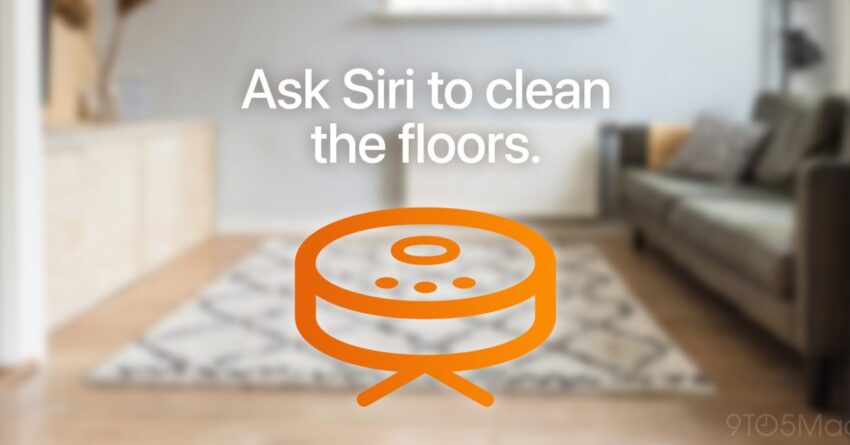
- Voice Control: With Siri integration, users can control their robot vacuums using voice commands, making it easier to initiate cleaning sessions without needing to access the app directly.
- Enhanced Security: HomeKit’s secure architecture ensures that user data remains private and secure, providing peace of mind when controlling devices remotely.
Supported Robot Vacuum Models
As of now, several robot vacuum models are compatible with HomeKit, allowing users to take full advantage of the new features introduced with iOS 18.4. Below is a list of notable models that support HomeKit integration:
1. iRobot Roomba j7+
The iRobot Roomba j7+ is one of the most advanced robot vacuums available. It features smart navigation technology that allows it to avoid obstacles and clean efficiently. With HomeKit integration, users can schedule cleanings, start or stop the vacuum using Siri, and receive notifications through the Home app.
2. Roborock S7
The Roborock S7 is another popular choice among consumers. This model boasts powerful suction and a mopping feature, making it versatile for different cleaning tasks. The HomeKit compatibility allows users to control the vacuum remotely, set cleaning schedules, and integrate it into their smart home routines seamlessly.
3. Ecovacs Deebot T8 AIVI
Ecovacs’ Deebot T8 AIVI is equipped with advanced artificial intelligence to recognize and avoid obstacles. This model also offers mopping capabilities and can be controlled via the Home app. Users can utilize Siri to command the vacuum, enhancing the overall convenience of home cleaning.
4. Neato D8
The Neato D8 is known for its unique D-shape design, which allows it to clean corners more effectively. With HomeKit support, users can easily schedule cleanings, monitor the vacuum’s status, and control it using voice commands through Siri.
5. Eufy RoboVac X8
The Eufy RoboVac X8 is a budget-friendly option that does not compromise on features. It offers strong suction power and a slim design that allows it to navigate under furniture easily. HomeKit integration provides users with the ability to manage their cleaning tasks from the Home app and utilize voice commands for added convenience.
Setting Up Robot Vacuums with HomeKit
Setting up a robot vacuum with HomeKit is a straightforward process. Here’s a step-by-step guide to help users get started:
- Download the Manufacturer’s App: Before integrating with HomeKit, download the app associated with your robot vacuum model from the App Store.
- Create an Account: If required, create an account within the app to access all features and settings.
- Connect to Wi-Fi: Ensure that the robot vacuum is connected to your home Wi-Fi network, as this is essential for HomeKit integration.
- Add to HomeKit: Open the Home app on your iOS device, tap the “+” icon, and select “Add Accessory.” Follow the prompts to scan the HomeKit setup code provided by the vacuum’s app.
- Customize Settings: Once added, customize settings such as cleaning schedules, zones, and preferences through the Home app or the manufacturer’s app.
Challenges and Considerations
While the integration of robot vacuums into HomeKit is a significant advancement, there are some challenges and considerations users should keep in mind:
- Compatibility Issues: Not all robot vacuums are compatible with HomeKit. Users should verify compatibility before purchasing a model to ensure it meets their needs.
- Network Stability: A stable Wi-Fi connection is crucial for the effective operation of smart home devices. Users may experience connectivity issues if their network is unstable.
- Privacy Concerns: As with any smart device, users should consider the privacy implications of integrating their robot vacuum into HomeKit. It is essential to review the privacy policies of the manufacturer and ensure that data is handled securely.
Future of Smart Home Integration
The integration of robot vacuums into HomeKit is just the beginning of a broader trend toward smarter homes. As more devices adopt the Matter standard, users can expect increased compatibility and functionality across various smart home products. This evolution will likely lead to more sophisticated automation options, allowing users to create complex routines that enhance their daily lives.
Moreover, as technology continues to advance, future robot vacuums may incorporate even more features, such as enhanced AI capabilities, improved navigation systems, and better cleaning performance. This ongoing innovation will further solidify the role of robot vacuums as essential components of smart home ecosystems.
Conclusion
The addition of robot vacuums to HomeKit through the Matter standard represents a significant leap forward in the smart home sector. Users can now enjoy a more integrated and user-friendly experience, allowing for greater control and automation of their cleaning routines. With several compatible models available, consumers have a variety of options to choose from based on their specific needs and preferences. As the smart home landscape continues to evolve, the integration of devices like robot vacuums will undoubtedly play a crucial role in shaping the future of home automation.
Source: Original report
Was this helpful?
Last Modified: December 31, 2025 at 1:38 pm
6 views