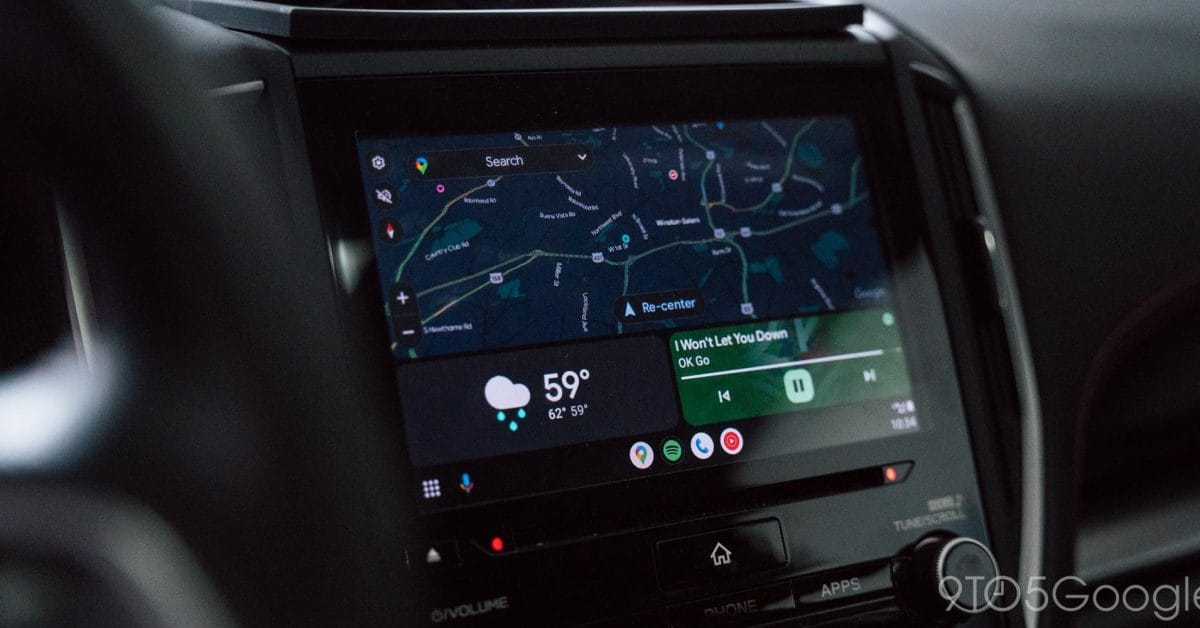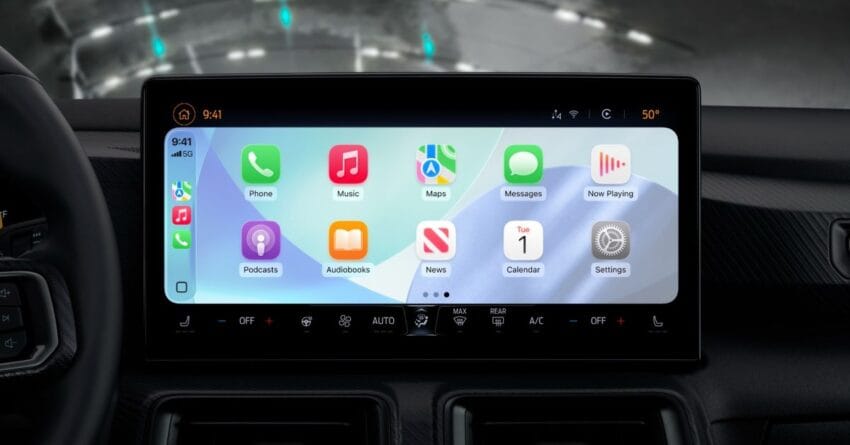
rivian says customers will appreciate lack of Rivian’s CEO RJ Scaringe recently articulated the company’s stance on not integrating Apple CarPlay into its vehicles, asserting that customers will ultimately appreciate this decision.
rivian says customers will appreciate lack of
Rivian’s Position on Apple CarPlay
During a recent appearance on the Decoder podcast, RJ Scaringe took a firm stand against the inclusion of Apple CarPlay in Rivian’s electric vehicles. He emphasized that this choice is rooted in the company’s vision for a more integrated and seamless user experience. Scaringe argued that by not adopting CarPlay, Rivian can maintain control over the software and user interface, allowing for a more cohesive ecosystem tailored specifically to its vehicles.
Rationale Behind the Decision
Scaringe explained that Rivian aims to create a unique brand identity that distinguishes it from traditional automakers and tech companies. By avoiding third-party integrations like CarPlay, Rivian can focus on developing its own software solutions that enhance the driving experience. This decision reflects a broader trend in the automotive industry where manufacturers are increasingly prioritizing proprietary technology to differentiate themselves in a competitive market.
He stated, “We believe that by not having CarPlay, we can create a more integrated experience for our customers. Our software is designed to be intuitive and user-friendly, and we want to ensure that our drivers have everything they need at their fingertips.” This perspective highlights Rivian’s commitment to innovation and its desire to foster a unique relationship with its customers.
Implications for Rivian’s User Experience
The absence of CarPlay raises questions about how Rivian will manage user expectations, especially among consumers accustomed to the convenience of smartphone integration in vehicles. Rivian’s approach suggests that the company is betting on its proprietary system to deliver a superior experience. Scaringe believes that this will ultimately lead to greater customer satisfaction.
Building a Proprietary Ecosystem
Rivian’s decision to forgo CarPlay is part of a larger strategy to build a proprietary ecosystem that encompasses various aspects of vehicle operation and user interaction. This includes features such as navigation, entertainment, and vehicle settings, all designed to work harmoniously within Rivian’s platform. By controlling these elements, Rivian can ensure a consistent experience across its lineup of electric vehicles.
Scaringe pointed out that Rivian’s software is designed to evolve over time, with updates and new features rolled out regularly. This flexibility allows the company to respond to customer feedback and adapt to changing market demands. “Our goal is to create a platform that grows with our customers,” he said, emphasizing the importance of adaptability in today’s fast-paced technological landscape.
Market Reactions and Customer Sentiment
The decision to exclude CarPlay has elicited mixed reactions from potential customers and industry analysts alike. Some consumers have expressed disappointment, particularly those who are accustomed to the seamless integration offered by CarPlay in other vehicles. However, others have shown support for Rivian’s approach, appreciating the focus on a tailored user experience.
Consumer Expectations
For many consumers, the ability to connect their smartphones to their vehicles is a crucial feature. CarPlay has become a standard expectation in the automotive market, and its absence could be a deterrent for some buyers. Rivian must navigate these expectations carefully to ensure that its proprietary system meets or exceeds the functionality and convenience that CarPlay offers.
Scaringe acknowledged these concerns, stating, “We understand that some customers may initially miss CarPlay, but we believe that once they experience our system, they will appreciate the benefits of a more integrated approach.” This sentiment reflects Rivian’s confidence in its technology and its commitment to customer satisfaction.
Comparative Analysis with Competitors
Rivian’s decision to forgo CarPlay places it in a unique position compared to competitors who have embraced third-party integrations. Many traditional automakers have opted to include CarPlay and Android Auto in their vehicles, recognizing the demand for smartphone connectivity. Rivian’s approach, on the other hand, suggests a willingness to take risks in pursuit of a differentiated product offering.
Industry Trends
The automotive industry is undergoing a significant transformation, with electric vehicles (EVs) leading the charge. As more manufacturers enter the EV market, the competition is intensifying. Rivian’s strategy to build a proprietary software ecosystem could set it apart from competitors who rely on established platforms like CarPlay.
Analysts have noted that Rivian’s focus on software development may provide a competitive advantage in the long run. As vehicles become increasingly connected, the ability to offer a seamless and integrated experience could be a key differentiator. Rivian’s commitment to innovation and customer experience may resonate with tech-savvy consumers looking for more than just a mode of transportation.
Future Developments and Roadmap
Looking ahead, Rivian plans to continue refining its software and expanding its features. The company is investing heavily in research and development to enhance its proprietary system, with a focus on user feedback and technological advancements. Scaringe mentioned that Rivian is exploring new functionalities that could further enrich the driving experience, including advanced navigation, voice recognition, and personalized settings.
Customer Engagement and Feedback
Rivian’s approach to customer engagement is also noteworthy. The company has established channels for feedback, allowing users to share their experiences and suggestions. This input is invaluable as Rivian seeks to evolve its software and address any concerns that may arise from the absence of CarPlay.
Scaringe emphasized the importance of listening to customers: “We want to create a dialogue with our users. Their feedback is crucial in shaping our product roadmap.” This commitment to customer engagement reflects a modern approach to product development, where user input plays a central role in innovation.
Conclusion
Rivian’s decision to forgo Apple CarPlay is a bold move that underscores the company’s commitment to creating a unique and integrated user experience. While this choice may initially alienate some consumers, Rivian believes that its proprietary system will ultimately provide greater value and satisfaction. As the automotive landscape continues to evolve, Rivian’s focus on innovation and customer engagement may position it favorably in the competitive electric vehicle market.
As the company moves forward, it will be essential to monitor customer reactions and the effectiveness of its proprietary software. Rivian’s ability to adapt and respond to user feedback will be critical in determining the long-term success of its strategy. In a rapidly changing industry, Rivian’s approach could serve as a model for other manufacturers seeking to differentiate themselves in an increasingly crowded marketplace.
Source: Original report
Was this helpful?
Explore more: More Big Tech & Platforms Tech News Blog
Last Modified: October 6, 2025 at 10:59 pm
6 views