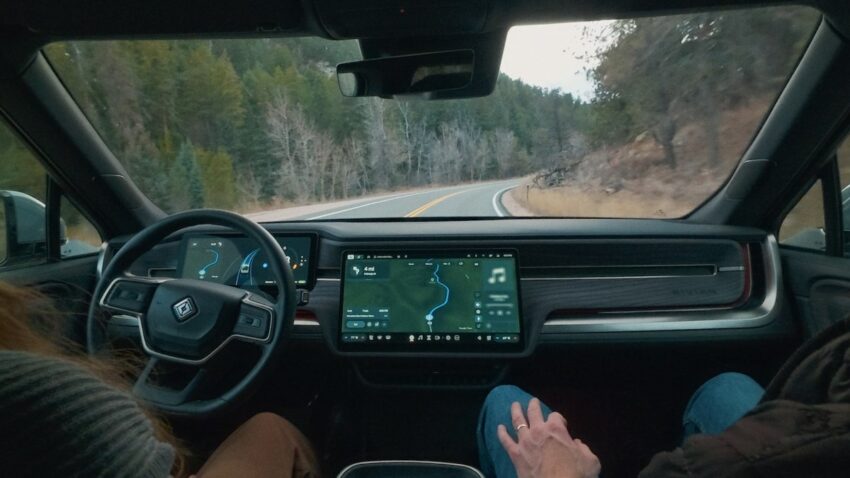
rivian rolls out new universal hands-free driving Rivian has introduced a new ‘Universal Hands-Free’ driving feature for its Generation 2 R1 vehicles, marking a significant advancement in driver assistance technology.
rivian rolls out new universal hands-free driving
Overview of the Universal Hands-Free Feature
The ‘Universal Hands-Free’ driving feature is designed to enhance the driving experience for Rivian owners, providing a more autonomous driving capability. This feature is now available for Rivian’s Generation 2 R1 vehicles, which include the R1T and R1S models. The software leverages advanced algorithms and machine learning to navigate a variety of road conditions, making it a noteworthy addition to Rivian’s suite of driver assistance technologies.
Road Coverage and Capabilities
One of the standout aspects of this feature is its extensive road coverage. The ‘Universal Hands-Free’ driving capability operates on approximately 3.5 million miles of mapped roads across North America. This extensive mapping allows the system to function effectively in diverse driving environments, from urban streets to rural highways. The feature aims to provide a seamless driving experience, allowing drivers to take their hands off the wheel in designated areas.
Limitations of the Feature
Despite its advanced capabilities, the ‘Universal Hands-Free’ feature does have limitations. Notably, it does not automatically slow down or stop for traffic lights or stop signs. This limitation raises important questions about the safety and reliability of the system in complex driving scenarios. Drivers must remain vigilant and ready to take control of the vehicle when necessary, particularly in urban environments where traffic signals and stop signs are prevalent.
Technological Underpinnings
The technology behind the ‘Universal Hands-Free’ feature is rooted in sophisticated driver assistance systems. These systems utilize a combination of sensors, cameras, and radar to gather data about the vehicle’s surroundings. The data is processed in real-time to make driving decisions, ensuring that the vehicle can navigate safely and efficiently.
Machine Learning and AI Integration
Rivian’s engineers have integrated machine learning algorithms into the software to improve its performance over time. As the system collects data from various driving scenarios, it learns to adapt to different conditions and improve its decision-making capabilities. This continuous learning process is critical for enhancing the safety and efficiency of the driving experience.
Safety Considerations
Safety is a paramount concern for any driver assistance technology. Rivian has emphasized the importance of driver engagement, even with the introduction of the ‘Universal Hands-Free’ feature. The company advises drivers to remain attentive and ready to intervene if the system encounters a situation it cannot handle. This approach aligns with industry best practices, which stress the need for drivers to maintain control of their vehicles, especially in complex traffic situations.
Market Context and Competitive Landscape
The introduction of the ‘Universal Hands-Free’ feature places Rivian in direct competition with other electric vehicle manufacturers that are also developing advanced driver assistance systems. Companies like Tesla, Ford, and General Motors have made significant strides in this area, offering their own versions of hands-free driving capabilities. Rivian’s unique selling proposition lies in its focus on adventure-oriented vehicles, appealing to a demographic that values both technology and outdoor experiences.
Comparison with Competitors
While Rivian’s ‘Universal Hands-Free’ feature offers impressive road coverage, it is essential to compare it with similar offerings from competitors. For instance, Tesla’s Autopilot and Full Self-Driving packages provide a more comprehensive suite of features, including the ability to navigate through intersections and respond to traffic signals. This difference highlights Rivian’s current limitations and the potential need for future updates to enhance its system’s capabilities.
Consumer Expectations
As consumers become increasingly familiar with driver assistance technologies, their expectations are evolving. Many drivers now expect a level of automation that allows for a more relaxed driving experience. Rivian’s decision to limit the ‘Universal Hands-Free’ feature’s capabilities may lead to mixed reactions among consumers. While some may appreciate the focus on safety and driver engagement, others may find the limitations frustrating, especially when compared to competitors’ offerings.
Stakeholder Reactions
The rollout of the ‘Universal Hands-Free’ feature has garnered attention from various stakeholders, including automotive industry analysts, consumer advocacy groups, and Rivian’s customer base. Reactions have been mixed, reflecting the diverse perspectives on the implications of this technology.
Industry Analysts
Industry analysts have generally praised Rivian for its innovative approach to driver assistance technology. Many view the ‘Universal Hands-Free’ feature as a step forward in the evolution of autonomous driving. However, some analysts caution that Rivian must address the limitations of the system to remain competitive in the rapidly evolving electric vehicle market. They emphasize the importance of continuous improvement and the need for Rivian to enhance its software capabilities to meet consumer expectations.
Consumer Advocacy Groups
Consumer advocacy groups have expressed concerns regarding the safety implications of the ‘Universal Hands-Free’ feature. They argue that the lack of automatic stopping for traffic signals and stop signs could pose risks to both drivers and pedestrians. These groups advocate for clearer communication from Rivian regarding the limitations of the technology and the importance of driver attentiveness. They stress that consumers should be fully informed about the capabilities and limitations of any driver assistance system before making a purchase decision.
Customer Feedback
Feedback from Rivian customers has been varied. Some users have reported positive experiences with the ‘Universal Hands-Free’ feature, appreciating the convenience it offers during long drives. Others, however, have voiced concerns about the limitations, particularly in urban settings where traffic signals are frequent. This feedback highlights the importance of user experience in shaping the future development of Rivian’s driver assistance technologies.
Future Implications and Developments
The introduction of the ‘Universal Hands-Free’ feature is just one part of Rivian’s broader strategy to position itself as a leader in the electric vehicle market. As the company continues to innovate, it will likely focus on enhancing its driver assistance technologies to meet evolving consumer expectations and industry standards.
Potential Updates and Enhancements
Looking ahead, Rivian may consider updates to the ‘Universal Hands-Free’ feature to address its current limitations. Enhancements could include the integration of additional sensors and software improvements that allow the vehicle to respond to traffic signals and stop signs. Such updates would not only improve the safety of the system but also align Rivian more closely with competitors that offer more comprehensive autonomous driving capabilities.
Long-Term Vision for Autonomous Driving
Rivian’s long-term vision for autonomous driving is likely to involve a gradual progression toward fully autonomous vehicles. As technology advances and regulatory frameworks evolve, the company may explore opportunities to enhance its driver assistance systems further. This vision aligns with the broader industry trend toward increasing automation in vehicles, driven by advancements in artificial intelligence and machine learning.
Conclusion
The rollout of Rivian’s ‘Universal Hands-Free’ driving feature represents a significant milestone in the company’s journey toward advanced driver assistance technologies. While the feature offers impressive road coverage and convenience, its limitations underscore the need for ongoing development and improvement. As Rivian navigates the competitive landscape of electric vehicles, the feedback from consumers and stakeholders will play a crucial role in shaping the future of its driver assistance offerings.
Source: Original report
Was this helpful?
Explore more: AI Automation Services More AI & Automation Tech News
Last Modified: December 18, 2025 at 10:52 pm
23 views